Brand & Values
Why We Publish Our Own Limitations
A brand that only explains why it's good has taught you nothing you can use elsewhere.
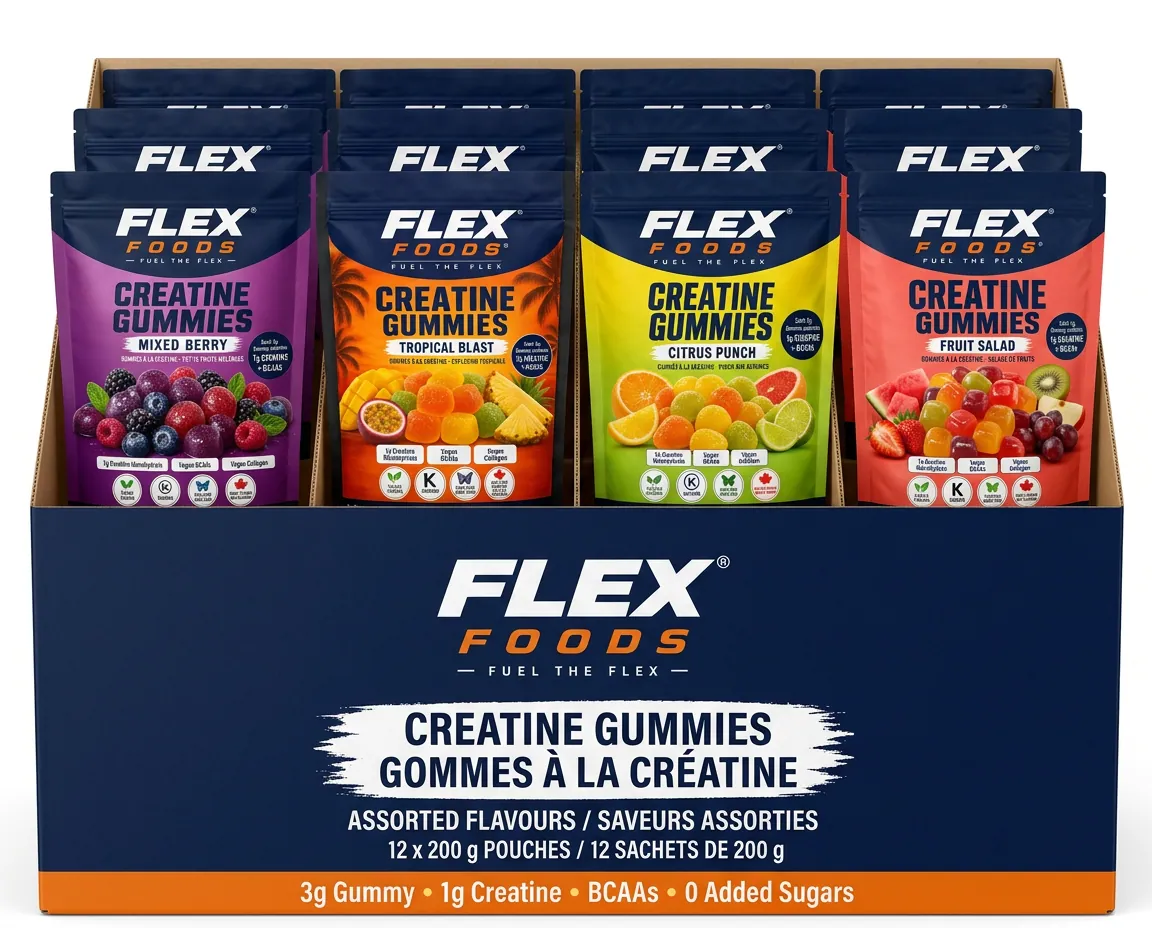
This blog contains posts stating that powder is cheaper and more stable than our gummies, that our serving sits at the bottom of the evidenced dose range, that a bare kosher K carries less weight than an agency mark, and that customers should demand testing data from us before buying.
That's unusual, and people reasonably ask whether it's a strategy. It is. Here's the reasoning, including the self-interested part.
The category has a trust problem
The supplement industry's reputation is earned. Underdosed proprietary blends, ingredients present at a fraction of studied amounts, claims well beyond the evidence, and contamination surveys repeatedly finding undeclared substances.
Creatine gummies specifically have a live credibility problem: independent testing has found products containing substantially less creatine than labelled, because creatine degrades to inert creatinine in water, acid and heat — all present in gummy manufacturing.
Entering a category with that reputation means the default posture toward you is suspicion. Reasonable suspicion.
Marketing louder doesn't address it. Everyone markets loudly.
What we actually publish
The specific things, so this isn't a claim about being transparent without content behind it.
- Powder is cheaper and more stable. Gummies cost multiples per gram of creatine. See creatine cost per gram.
- Our serving is 3 g, the bottom of the 3–5 g range. Larger people may need more. See the case for 1 g per gummy.
- Maltitol, not creatine, is the likely cause of digestive symptoms. Nine grams of sugar alcohols per serving. See the maltitol post.
- "0 g sugars" doesn't mean glycemically inert. Maltitol is partially digested to glucose.
- Roughly 20–30% of people are non-responders. See non-responders.
- Gummies are the wrong format for backpacking — 3 g of product per gram of creatine.
- A bare kosher K is weaker than an agency mark, and generic non-GMO statements aren't Non-GMO Project Verified. See what we'd change about our label.
- Ask us for finished-product testing data. See how to check a creatine gummy.
The self-interested logic
Three reasons this is good business, stated so you can discount them appropriately.
A customer who finds a limitation themselves distrusts everything else you said. Someone who works out that gummies cost ten times more per gram than powder, having been told nothing, reasonably concludes the brand hoped they wouldn't check. Telling them first costs a sale occasionally and preserves credibility on everything else.
The right customer buys anyway. Someone who reads that powder is cheaper and buys gummies has decided convenience is worth it to them. That's a customer who understands what they bought and is far less likely to be disappointed.
It sets a standard competitors have to meet. If enough brands publish finished-product testing data, the ones that can't start looking conspicuous.
Where the line is
Transparency isn't unlimited, and it's worth being clear about what we don't publish.
Proprietary formulation details. Exact pH targets, curing parameters, overage calculations. These are commercially sensitive and, honestly, not useful to you — what matters is the outcome, which is what testing measures.
Anything we can't substantiate. Including favourable things. We don't make cognitive, mood, sleep or fat loss claims, because they fall outside what Health Canada's creatine monograph permits — even though research in those areas exists and would sell product. See what Health Canada lets a creatine product claim.
Speculation about competitors. We describe what independent testing has found about the category. We don't name products we haven't tested.
The obligation it creates
Publishing "ask us for the certificate of analysis" only works if we can produce one when asked.
That's the point. A transparency claim that isn't backed by an answerable question is just another marketing position — and it would be a worse one than saying nothing, because it invites a test it fails.
hello@flexfoods.ca. Ask us the question in how to check a creatine gummy, in those words. Finished product, near end of shelf life, creatinine quantified.
If we can't answer it, that's information you're entitled to have before you buy.
What we'd like you to take away
Not that we're trustworthy — that's for you to decide, and a company asserting its own trustworthiness is evidence of very little.
What's transferable is the set of checks. Where does the serving sit in the evidenced dose range. What's the first non-medicinal ingredient. Are medicinal ingredient quantities disclosed. Are certification marks registered marks or self-declarations. Can the manufacturer produce finished-product testing.
Those work on us. They work better on whoever's next to us on the shelf.
General information about a natural health product, not medical advice.