
Nutrition 101
The Five Supplements With the Strongest Evidence
A short list. Most of the shelf isn't on it, and knowing why is more useful than any individual product.
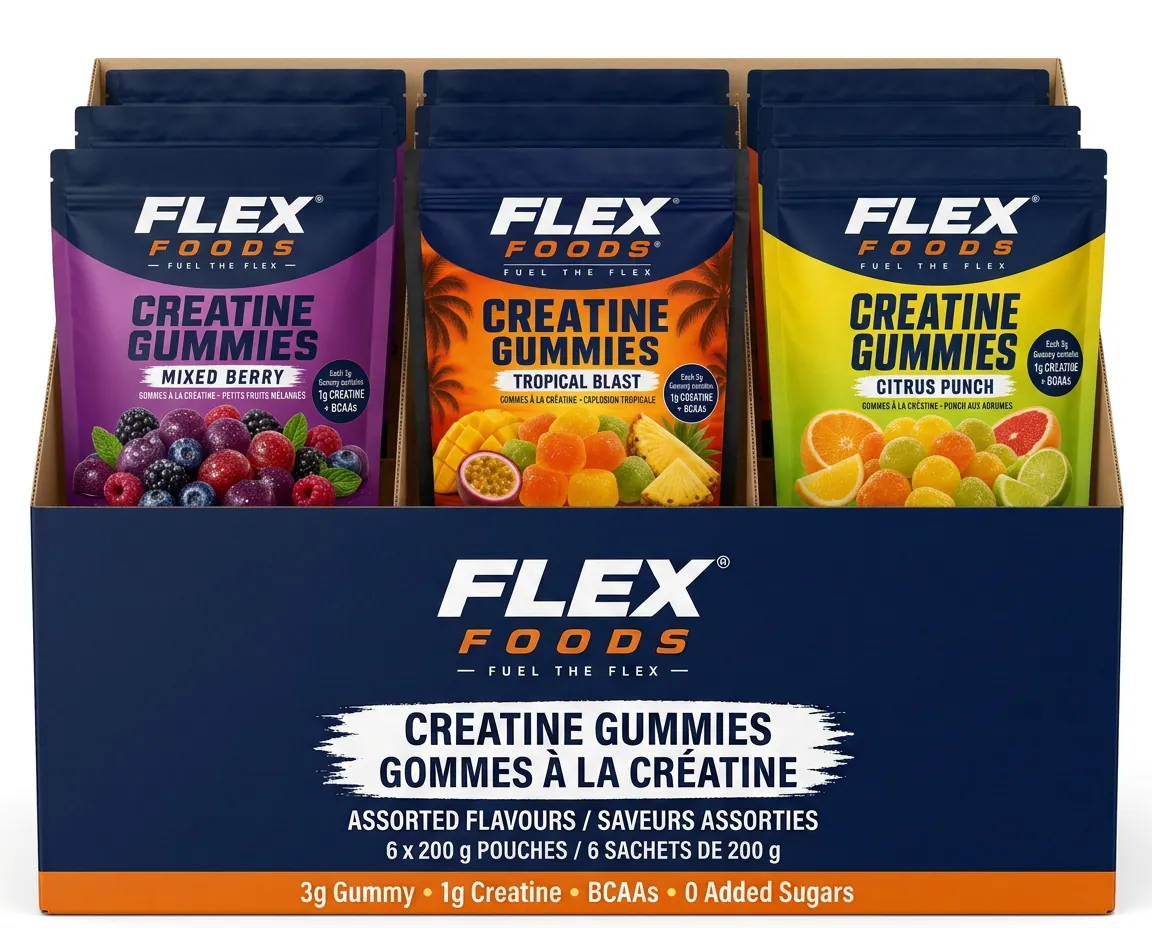
The supplement market is enormous and the number of products with strong evidence is small. That gap is the single most useful thing to understand before spending money on any of it.
The framework worth knowing
The Australian Institute of Sport Sports Supplement Framework is one of the more useful public classifications. It sorts supplements into groups by evidence quality:
- Group A — strong scientific evidence for use in specific situations
- Group B — deserving of further research, may be considered under a research protocol
- Group C — little meaningful proof of benefit
- Group D — banned or at high risk of contamination
Group A is short. That's the headline.
The performance supplements with the strongest evidence
1. Caffeine
The most consistently effective legal performance aid. Well evidenced for endurance, reduced perception of effort, alertness and some effects on high-intensity performance.
Doses commonly studied around 3–6 mg per kilogram of bodyweight. Tolerance develops, and the half-life of roughly five hours means late doses degrade sleep — which costs more than the caffeine gains. See creatine vs pre-workout.
2. Creatine monohydrate
Several hundred human trials. Strong evidence for repeated high-intensity efforts, strength and lean mass gains alongside resistance training, and repeated-sprint ability.
Effect is modest — meta-analyses find roughly 20% greater strength gains versus training alone, a percentage of the improvement rather than of total strength. Roughly 20–30% of people are non-responders.
3. Beta-alanine
Raises muscle carnosine, buffering acidity during efforts of roughly one to four minutes. Well evidenced for that specific window and largely irrelevant outside it. See creatine vs beta-alanine.
4. Dietary nitrate (beetroot juice)
Increases nitric oxide availability, with evidence for improved exercise economy and endurance performance. Effects appear larger in recreational than in highly trained athletes.
5. Sodium bicarbonate
An extracellular buffer, evidenced for high-intensity efforts of roughly one to ten minutes. The limitation is gastrointestinal distress, which is common and can be severe enough to outweigh the benefit.
The nutritional ones that matter more
Not performance supplements, and more likely to affect you.
Protein. Not a supplement so much as a nutrient — adequate intake is a requirement, and powder is a convenient delivery form. See creatine vs protein powder.
Vitamin D. Worth supplementing if you're deficient, and deficiency is common at Canadian latitudes over winter where skin synthesis is negligible. Correcting a deficiency is different from supplementing when replete — test rather than guess.
Iron. Same logic. Deficiency is common, particularly in menstruating and endurance athletes, and it's genuinely performance-limiting. Test before supplementing — iron overload is harmful.
Vitamin B12. Not optional on a fully plant-based diet. Not available from plants.
Why this list is so short
Four structural reasons, covered further in why most supplements don't work:
Mechanism doesn't equal outcome. An ingredient affecting a pathway in a cell culture frequently does nothing measurable in a person.
Underdosing. Products routinely contain a fraction of the studied dose, particularly inside proprietary blends. See proprietary blends.
Small trials and publication bias. Promising early findings frequently don't survive larger, better-controlled replication.
Diminishing returns on an adequate diet. Most supplements correct deficiencies. If you're not deficient, there's nothing to correct.
What to do with this
Spend in this order:
- Fix sleep, training and total energy intake. No supplement compensates for deficits here, and this is free.
- Get adequate protein, from food where possible.
- Test and correct actual deficiencies — vitamin D, iron, B12 if relevant. Ask your doctor.
- Add creatine if you train. Cheap as powder, strong evidence.
- Consider caffeine, dosed deliberately rather than through a blend.
- Consider beta-alanine or nitrate if your event matches their window.
Everything past that has substantially weaker evidence, and each additional product adds contamination risk for tested athletes. See banned substances and contamination.
General information about a natural health product, not medical advice. Test before supplementing for deficiency, and speak with a doctor or pharmacist about interactions.