
Training
Creatine vs Beta-Alanine
Different energy systems, adjacent time windows. This is the one supplement pairing that genuinely complements.
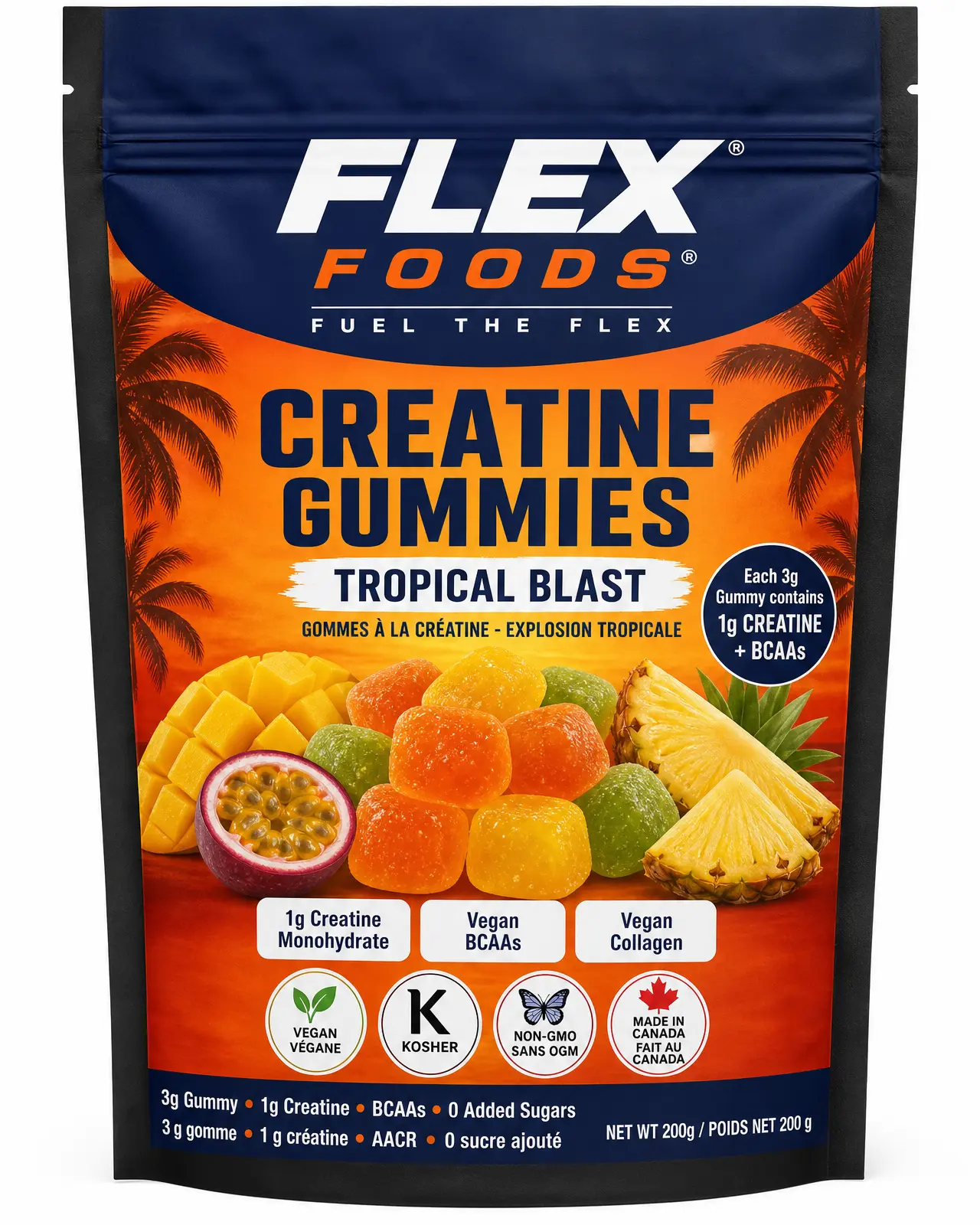
Creatine and beta-alanine get compared as competitors and are better understood as neighbours. They support different energy systems covering consecutive stretches of effort.
Understanding where each operates tells you which your sport needs — and why taking both is one of the few defensible "stacks."
The energy timeline
| Effort duration | Dominant system | Supplement that helps |
|---|---|---|
| 0–10 seconds | Phosphocreatine | Creatine |
| 10 s – 1 min | Anaerobic glycolysis | Transitional |
| 1–4 minutes | Glycolysis, acidity limiting | Beta-alanine |
| 4 minutes onward | Aerobic | Neither |
Creatine works at the very start. Beta-alanine works in the window where accumulating acidity becomes the limiting factor. Adjacent, not overlapping.
How beta-alanine works
Beta-alanine is a precursor to carnosine, a dipeptide stored in muscle that acts as an intracellular pH buffer.
During intense glycolytic exercise, hydrogen ions accumulate and muscle pH falls. That acidity interferes with contractile function and with the enzymes driving energy production, and it's a major contributor to the burning sensation and the drop in output during efforts of a minute or more.
Carnosine buffers those hydrogen ions. More muscle carnosine means the pH drop is blunted, and you can sustain output longer before acidity limits you.
Beta-alanine availability is the rate-limiting step in carnosine synthesis, which is why supplementing it raises muscle carnosine.
How the two differ practically
| Creatine | Beta-alanine | |
|---|---|---|
| Mechanism | Phosphocreatine for ATP resynthesis | Carnosine as pH buffer |
| Effort window | 0–10 seconds | 1–4 minutes |
| Typical daily dose | 3–5 g | 3.2–6.4 g |
| Time to effect | ~4 weeks at maintenance | 4–10 weeks |
| Noticeable sensation | None | Tingling (paraesthesia) |
| Water weight | 1–2 kg | None |
| Loading protocol | Optional | Not applicable — slow accumulation |
The tingling
Beta-alanine's most recognisable feature. Paraesthesia — tingling or prickling, typically on the face, neck and hands — occurs at higher single doses.
Two things worth knowing: it's harmless, and it's unrelated to whether the supplement is working. It's a transient sensory effect from beta-alanine binding receptors in the skin, and it fades within an hour.
Splitting the dose across the day or using sustained-release forms reduces it. Some people find it pleasant and treat it as evidence of efficacy — it isn't.
Note that pre-workouts frequently include beta-alanine largely for the tingling, since a perceptible sensation makes a product feel like it's working. Beta-alanine works chronically, so its presence in an acute pre-workout is mostly beside the point. See creatine vs pre-workout.
Which does your sport need?
Creatine, primarily: powerlifting, Olympic weightlifting, sprinting under 100 m, throwing, jumping, most resistance training, hockey shifts, repeated-sprint team sports.
Beta-alanine, primarily: 800 m to 1500 m running, 2000 m rowing, 100–400 m swimming, track cycling pursuit, any event lasting roughly one to four minutes at maximum sustainable intensity.
Both: mixed-modal training, combat sports, rowing programmes involving both sprint and 2 km work, team sports with repeated efforts across a long match, middle-distance athletes doing gym work.
Neither: marathon and long-distance endurance, where the aerobic system dominates and creatine's added mass is a liability. See creatine for endurance athletes.
Taking both together
No interaction to manage. They work through unrelated mechanisms and several studies have examined the combination with generally favourable results.
Practical notes:
- Both require daily intake, including rest days — both work through accumulation
- Both are slow. Beta-alanine takes longer than creatine to reach effect
- Split beta-alanine doses to reduce tingling; creatine doesn't need splitting at 3–5 g
- Neither is a stimulant, so neither affects sleep
Evidence quality
Both sit in the well-supported tier. The Australian Institute of Sport's supplement framework places creatine and beta-alanine in its highest evidence category alongside caffeine and a small number of others — supplements with strong evidence for benefit in specific contexts.
That's a short list, and being on it is meaningful. See the five supplements with the strongest evidence.
General information about a natural health product, not medical advice.