
Training
Creatine for Runners and Endurance Athletes
Minimal benefit for steady-state work, real benefit for the sprint finish. And a kilogram you have to carry.
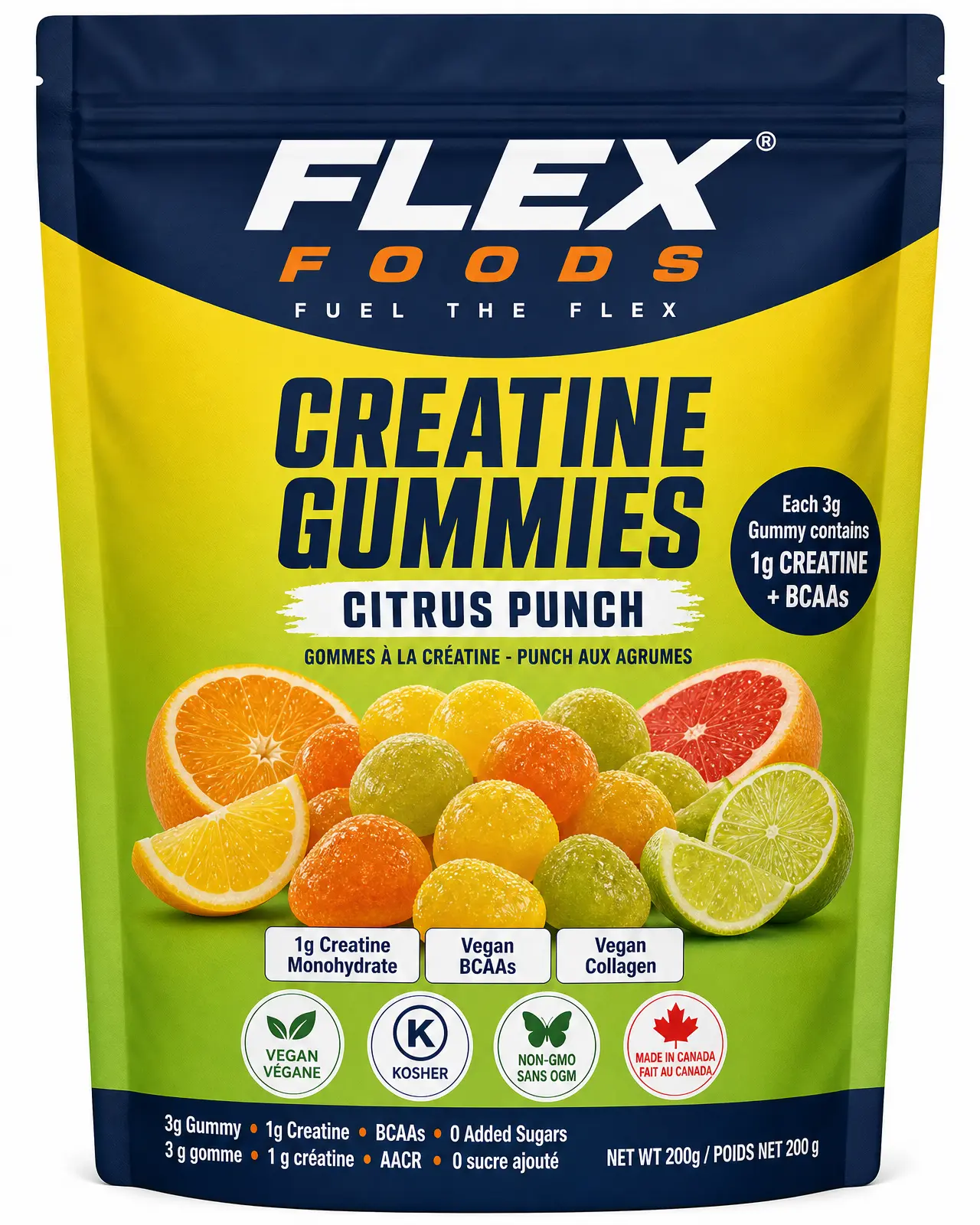
Creatine is a poor fit for endurance sport in the way most people frame it, and a reasonable fit in a narrower way that gets overlooked.
Worth separating, because the answer genuinely depends on your event.
Why it doesn't help steady-state endurance
The phosphocreatine system fuels roughly the first ten seconds of maximal effort. Beyond that, anaerobic glycolysis takes over, and beyond about two minutes the aerobic system dominates.
A 10K, a half marathon, a long ride, a triathlon — all overwhelmingly aerobic. The energy system creatine supports is contributing almost nothing to them.
Studies examining creatine and aerobic endurance performance have generally found no meaningful improvement in VO₂max, time to exhaustion at submaximal intensities, or steady-state performance.
So for the central demand of endurance sport, creatine is neutral.
The cost side
Not neutral, though — there's a debit.
Creatine produces roughly 1–2 kg of intracellular water weight. In a sport where you carry your bodyweight over distance, or where power-to-weight determines climbing speed, that's mass you're transporting for no aerobic return.
For a 65 kg runner, 1.5 kg is over 2% of bodyweight. That's not trivial across a marathon.
This is the strongest argument against creatine for pure endurance athletes, and it's a real one. See creatine and water retention.
Where it genuinely helps
Three situations, and they're more common in endurance sport than the framing above suggests.
The finishing sprint. Races are frequently decided in the last 200–400 metres, which is exactly the phosphocreatine window. A rider contesting a bunch sprint, a runner in a track finish, a triathlete kicking — those are anaerobic efforts at the end of an aerobic race.
Repeated surges and hills. Cyclocross, criteriums, mountain running, cross-country. Events with repeated hard efforts separated by incomplete recovery are exactly the profile creatine supports. Better phosphocreatine resynthesis between surges is a genuine advantage.
Strength work in the training plan. Most serious endurance athletes now do resistance training for injury resilience, running economy and power. Creatine improves the productivity of that work — which is a second-order benefit but a real one. See creatine for strength training.
The glycogen angle
A separate mechanism worth knowing about, though the evidence is less settled.
Some research has suggested creatine co-ingested with carbohydrate may enhance muscle glycogen storage — potentially useful in the carbohydrate-loading phase before a long event.
Findings aren't uniform, the effect appears to depend on the carbohydrate protocol, and it hasn't developed into a standard recommendation. Treat it as interesting rather than actionable.
The decision, by event
| Event type | Verdict |
|---|---|
| Marathon, long-distance triathlon | Probably not worth the added mass |
| Road cycling, climbing-focused | Power-to-weight argues against |
| Criterium, cyclocross, track | Worth considering — repeated surges |
| 5K–10K with a track finish | Marginal, could go either way |
| Cross-country, mountain running | Worth considering |
| Rowing (2000 m) | Worth considering — heavily anaerobic |
| Swimming sprints | Yes |
| Off-season strength block | Yes, regardless of event |
That last row is worth emphasising. Even an athlete who won't race on creatine may benefit from using it during a winter strength block and coming off before the season. Stores wash out over four to six weeks — see what happens when you stop.
What matters more for endurance athletes
Keeping proportion, since creatine is at best a marginal factor here:
- Total energy intake. Chronic under-fuelling relative to training demands — low energy availability, and in its clinical form RED-S — is common in endurance sport and genuinely harmful to bone, hormonal function, immunity and performance. Warning signs include recurrent stress injuries, frequent illness, disrupted menstrual cycles and declining performance despite consistent training. That's a conversation with a doctor or sports dietitian.
- Carbohydrate availability. The actual fuel for the work.
- Iron status, particularly in female athletes. Test rather than guess.
- Sleep and training load management.
If any of those aren't in order, creatine isn't the variable to address.
General information about a natural health product, not medical advice.