
Training
Creatine vs Protein Powder for Muscle Growth
If you could only buy one, buy protein. Here's the reasoning, and when that flips.
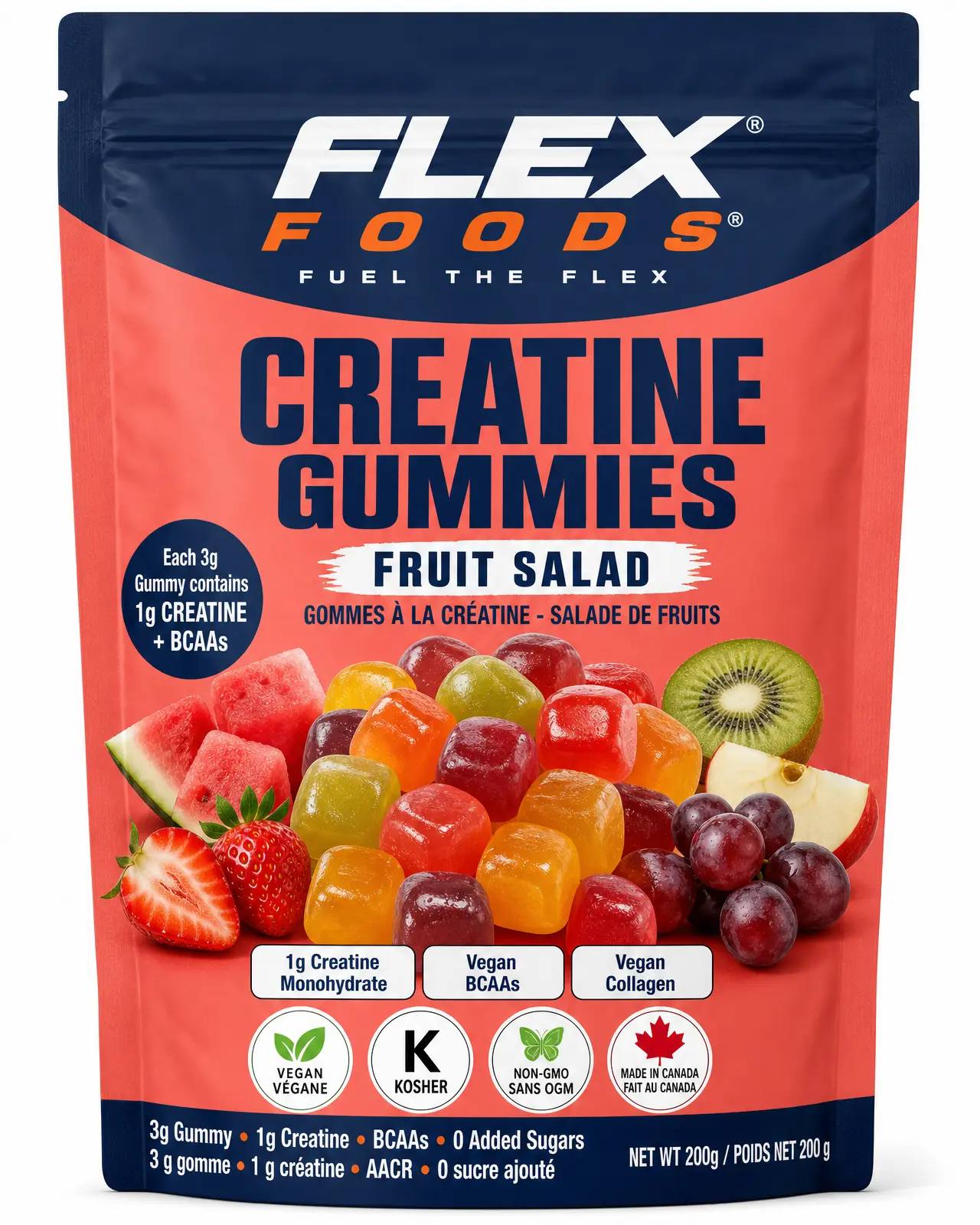
These are the two supplements most people buy first, and if budget forces a choice, the answer is clearer than the marketing suggests.
This is the purchase decision rather than the mechanism — the mechanistic comparison is in creatine and protein.
The short answer
Protein, if your intake is inadequate. Creatine, if it isn't.
That's the whole decision, and it turns on a question about your diet rather than about the supplements.
Why the answer depends on your diet
Protein is a macronutrient with a daily requirement. People training regularly commonly target around 1.6 g per kilogram of bodyweight, with benefit reported up to roughly 2.2 g/kg. For a 75 kg person that's around 120 g daily.
Falling short limits adaptation regardless of anything else you do. There's no substitute — muscle is built from amino acids.
Creatine is a performance enhancer producing a modest effect on top of otherwise adequate nutrition. Meta-analyses have found roughly 20% greater strength gains with creatine plus training versus training alone — a percentage of the improvement, not of your total strength.
Adding creatine to an under-fed lifter is optimising the wrong variable.
But protein powder isn't protein
The distinction that flips the answer for a lot of people.
Protein powder is a convenient form of a nutrient that's widely available in food — legumes, dairy, eggs, meat, fish, tofu, tempeh, soy milk. It's a convenience product, not a necessity, and whole-food sources bring fibre and micronutrients that isolates don't.
Creatine is different. Matching a 3 g dose through food would require roughly 600–750 g of raw beef daily, before cooking losses. That's genuinely impractical. See where creatine comes from in food.
So the more precise version of the decision:
| Your situation | Buy |
|---|---|
| Protein intake short, can't easily fix with food | Protein powder |
| Protein intake short, but food could fix it | Fix the food, buy creatine |
| Protein intake adequate | Creatine |
| Plant-based, protein adequate | Creatine — dietary intake is near zero |
| Neither, tight budget | Creatine powder is the cheaper of the two |
Cost comparison
Worth running, since budget is usually what forces the question.
Protein powder: a typical serving delivers 20–25 g of protein. To meaningfully move a daily total you're using one or two servings a day, so a tub lasts weeks.
Creatine powder: 3–5 g daily. A 1 kg tub is 200 to 330 daily doses — six months to a year of supply.
On a per-month basis, creatine monohydrate powder is dramatically cheaper. It's among the cheapest useful supplements available. See creatine cost per gram.
Being straightforward: a gummy format costs multiples of powder, so if budget is the binding constraint, powder is the answer for both categories.
What each actually does for you
Protein: supports muscle protein synthesis, supports recovery, and is by some distance the most satiating macronutrient — relevant if you're managing weight. It's a nutrient with functions beyond training.
Creatine: a few extra reps at a given load, less drop-off across sets, better repeated-sprint performance, and roughly 1–2 kg of intracellular water. Effects on strength and size emerge over six to twelve weeks of training.
One more asymmetry: roughly 20–30% of people are creatine non-responders, usually because baseline stores were already near capacity. Essentially nobody is a "protein non-responder" — inadequate protein limits everyone. See non-responders.
Buying both
Reasonable if you can, and they don't interact. Studies combining both alongside resistance training generally find the combination outperforming either alone, which is expected from non-overlapping mechanisms.
No timing requirement — they don't need to be taken together or at the same time. Creatine works through saturation, so timing is a minor variable. See creatine timing.
The order of operations
- Get total protein adequate, from food where possible, spread across three or four feedings
- Add creatine monohydrate, 3–5 g daily
- Add protein powder if food alone isn't getting you there
- Everything else has substantially weaker evidence
See the five supplements with the strongest evidence.
General information about a natural health product, not medical advice.