
Nutrition 101
Creatine and Protein: Do You Need Both?
They do different jobs through different mechanisms. Neither substitutes for the other, and one matters more.
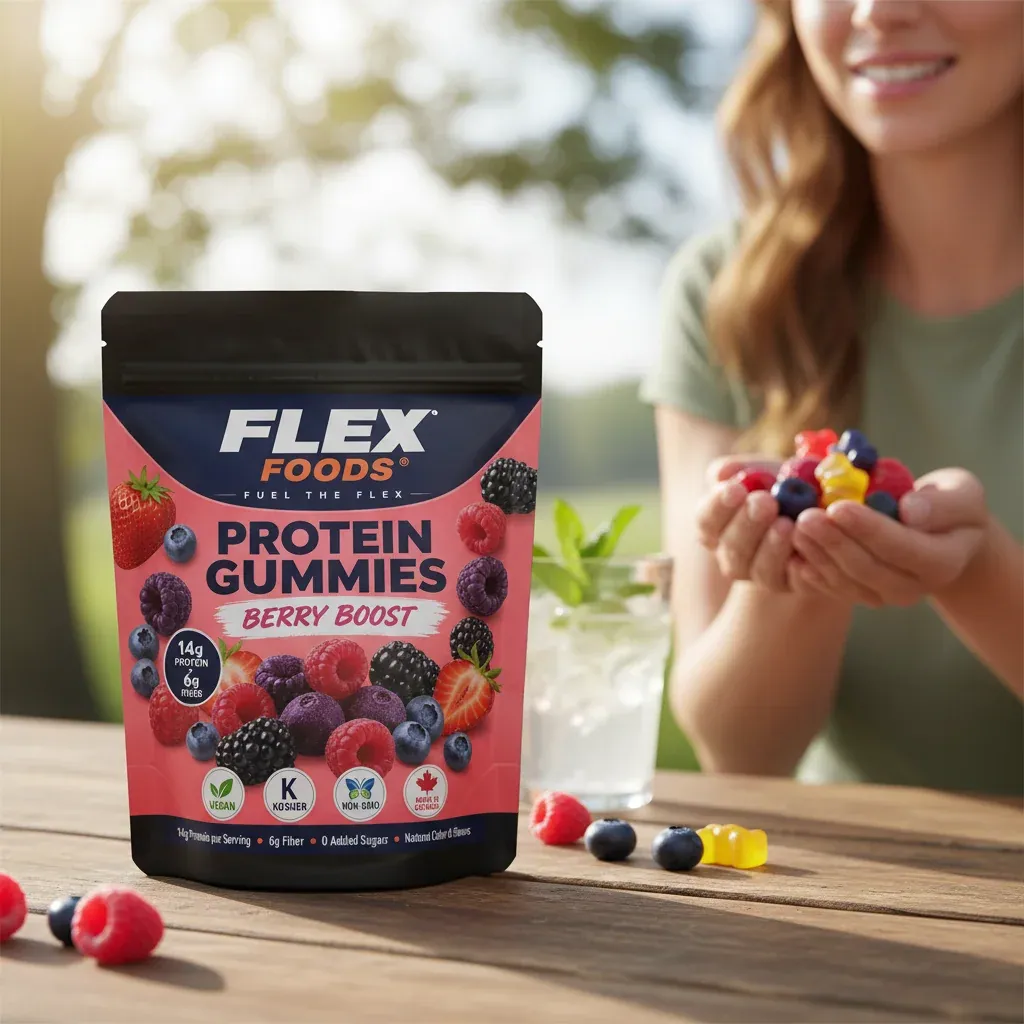
Creatine and protein are the two supplements most people buy first, and they're frequently treated as interchangeable — different flavours of the same "muscle" category.
They aren't related at all mechanistically. Understanding the difference makes the priority obvious.
What protein does
Protein provides amino acids — the raw material muscle tissue is built from.
Resistance training creates a stimulus for muscle protein synthesis. Whether that stimulus produces new tissue depends on whether the amino acids are available to build with. Inadequate protein means the signal fires and there's nothing to construct from.
Protein is therefore substrate. It's the bricks.
Requirements for people training regularly commonly cited around 1.6 g per kilogram of bodyweight daily, with some evidence of benefit up to roughly 2.2 g/kg, and distribution across three or four feedings mattering alongside the total.
What creatine does
Creatine provides energy availability — specifically, stored phosphocreatine that regenerates ATP during the first seconds of maximal effort.
It contributes no building material. It lets you complete more work in a session, and the additional work is a larger training stimulus.
Creatine is therefore capacity. It's not the bricks; it's being able to lay more of them per shift.
The point that surprises people
Creatine contains no protein. Our nutrition panel declares 0 g protein per serving, and that's accurate.
Creatine is an amino acid derivative — a small nitrogen-containing molecule, not a protein and not a source of the amino acids used to build tissue. Three grams a day contributes nothing to protein intake.
This is a useful cross-check on any supplement label. A product declaring 0 g protein cannot contain a meaningful amount of any amino acid or protein-based ingredient, because those would register on the protein line. Worth applying to whatever else is in your cupboard.
Side by side
| Protein | Creatine | |
|---|---|---|
| Role | Building material | Energy buffer |
| Mechanism | Substrate for muscle protein synthesis | Phosphocreatine for ATP resynthesis |
| Typical daily need | ~1.6 g/kg bodyweight | 3–5 g total |
| Obtainable from food? | Yes, readily | Impractically — see below |
| Works without training? | Partly (maintenance) | Largely no |
| Non-responders | Rare | ~20–30% |
| Cost per useful dose | Low from food | Low as powder |
The priority, if you can only do one
Protein, and it isn't close.
Protein is a macronutrient with a genuine daily requirement measured in tens of grams. Falling short limits adaptation regardless of anything else you do. Most people who train and aren't tracking intake are under-consuming it, particularly at breakfast and in snacks.
Creatine is a performance enhancer producing a modest effect on top of otherwise adequate nutrition. A well-fed lifter adding creatine gains something. An under-fed lifter adding creatine is optimising the wrong variable.
So: hit your protein target from food first, spread across the day. Then consider creatine.
Do they work better together?
Studies combining creatine with protein supplementation alongside resistance training have generally found the combination outperforming either alone, which is what you'd expect from mechanisms that don't overlap.
There's no interaction to engineer, though. They don't need to be taken together, at the same time, or in the same product. Creatine works through saturation and timing is a minor variable — see creatine timing.
The food-versus-supplement asymmetry
Worth noting because it's the strongest practical argument for creatine specifically.
Protein is easy to get from food. Legumes, dairy, eggs, meat, fish, tofu, tempeh. A protein supplement is a convenience, not a necessity, and whole-food sources bring fibre and micronutrients that isolates don't.
Creatine is not. Matching a 3 g dose would require roughly 600–750 g of raw beef daily, before cooking losses. That's genuinely impractical, and it's why creatine is one of the few supplements delivering something food realistically can't at the relevant dose. See where creatine comes from in food.
For plant-based eaters the asymmetry is sharper still — dietary creatine intake is essentially zero. See creatine for vegans and vegetarians.
The summary
Protein is the requirement. Creatine is the optimisation. Get the first right before spending on the second.
General information about a natural health product, not medical advice.