
Brand & Values
Banned Substances and Contamination Risk in Supplements
Strict liability means the athlete pays for what a manufacturer got wrong. The contamination surveys are not reassuring.
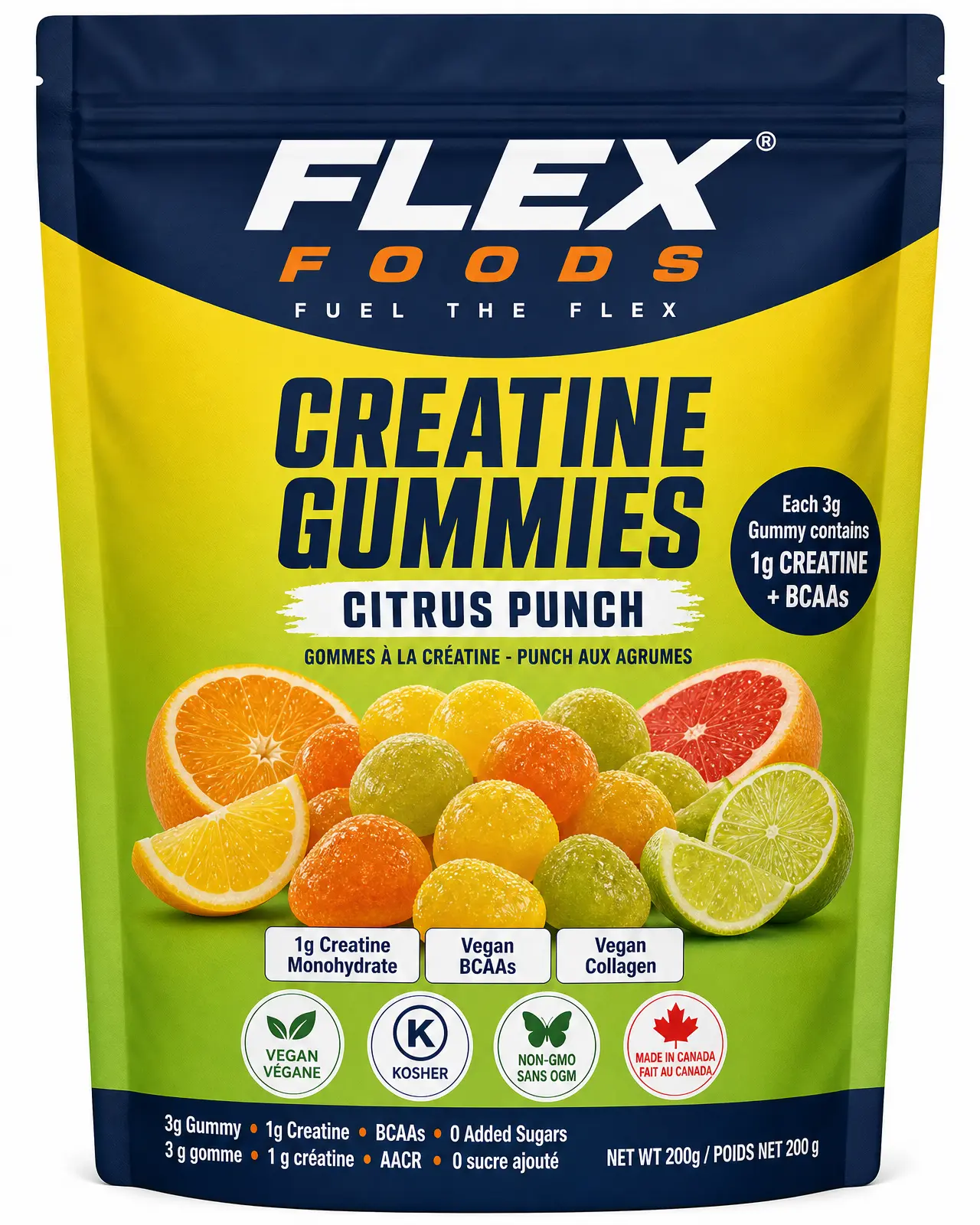
If you're subject to anti-doping testing, supplement contamination is the single largest avoidable risk you carry — and creatine itself has nothing to do with it.
Strict liability
The World Anti-Doping Code operates on strict liability: an athlete is responsible for any prohibited substance found in their sample, regardless of how it got there.
Intent is not a defence to the finding. "It was in my supplement" may be relevant to the length of a sanction in some circumstances, but it doesn't undo an adverse analytical finding.
Which means the risk transfers entirely from the manufacturer to you.
What the surveys have found
This is not a hypothetical concern.
A widely cited IOC-funded study led by Geyer analysed hundreds of supplements from multiple countries and found that roughly 15% contained prohormones or anabolic steroids not declared on the label.
Subsequent work has continued to find undeclared substances in supplement products, including stimulants, SARMs and other prohibited compounds. Health Canada and other regulators periodically issue advisories about products found to contain undeclared pharmaceutical ingredients.
The proportion varies by product category, country and study, but the general finding is consistent: a non-trivial share of supplements contain something not on the label.
How contamination happens
Three routes, and only one is deliberate.
Cross-contamination on shared equipment. A facility producing a prohormone product and then a creatine product on the same line can transfer trace amounts. Trace is enough — modern testing detects extremely low concentrations.
Contaminated raw materials. An ingredient arrives already carrying something, and a manufacturer who doesn't test incoming materials won't know.
Deliberate adulteration. A minority of cases, where an undeclared active is added so the product "works." This is what regulatory advisories usually concern.
Note that the first two mean a manufacturer acting in good faith can still produce a contaminated product. Good intentions aren't a control system.
What actually reduces the risk
Third-party batch certification. The only meaningful mitigation. Programmes like Informed Sport and NSF Certified for Sport screen for banned substances — Informed Sport at every batch. That's the assurance a tested athlete needs.
Note what these programmes do and don't cover: banned-substance screening is a different test from potency verification. You may need both, for different reasons. See third-party testing explained.
Fewer products. Risk scales with the number of supplements you take. An athlete on eight products has eight exposures; one on two has two.
Avoid high-risk categories. Contamination findings cluster in products marketed for muscle building, weight loss, "testosterone support" and pre-workout stimulation. Single-ingredient products from established manufacturers carry lower risk than proprietary blends promising dramatic effects.
Keep records. Batch numbers, purchase dates, and a retained sample of anything you take. If a finding occurs, that documentation is the only route to establishing a source.
Where creatine sits
Creatine itself does not appear on the WADA prohibited list and is permitted across professional, Olympic and collegiate sport. It isn't a masking agent and doesn't interfere with testing. See is creatine a steroid.
So the risk isn't creatine — it's the manufacturing environment the creatine came from. A creatine product from a facility with poor controls carries the same contamination risk as any other product from that facility.
That's why the relevant question for a tested athlete isn't "is creatine allowed" but "what does this manufacturer's testing look like."
The Canadian layer
Natural Health Products in Canada require a product licence and manufacture at a site licensed under Good Manufacturing Practices — a stricter baseline than the US market provides, and one that includes requirements around specifications and testing.
It reduces risk. It is not equivalent to per-batch banned-substance screening, and no tested athlete should treat an NPN as sufficient on its own. See what an NPN means.
For coaches and support staff
Three practical points:
- If your athletes use supplements, insist on third-party certified products and keep a record of what's approved
- Most national anti-doping organisations, including the Canadian Centre for Ethics in Sport, publish guidance and resources on supplement risk — worth using rather than improvising
- The safest supplement policy for a young or developing athlete is usually a food-first one. See should teenagers take creatine
General information about a natural health product, not medical advice.