Brand & Values
What an NPN Means on a Canadian Supplement
Canada regulates supplements more tightly than the US does. Here's what an NPN verifies and what it doesn't.
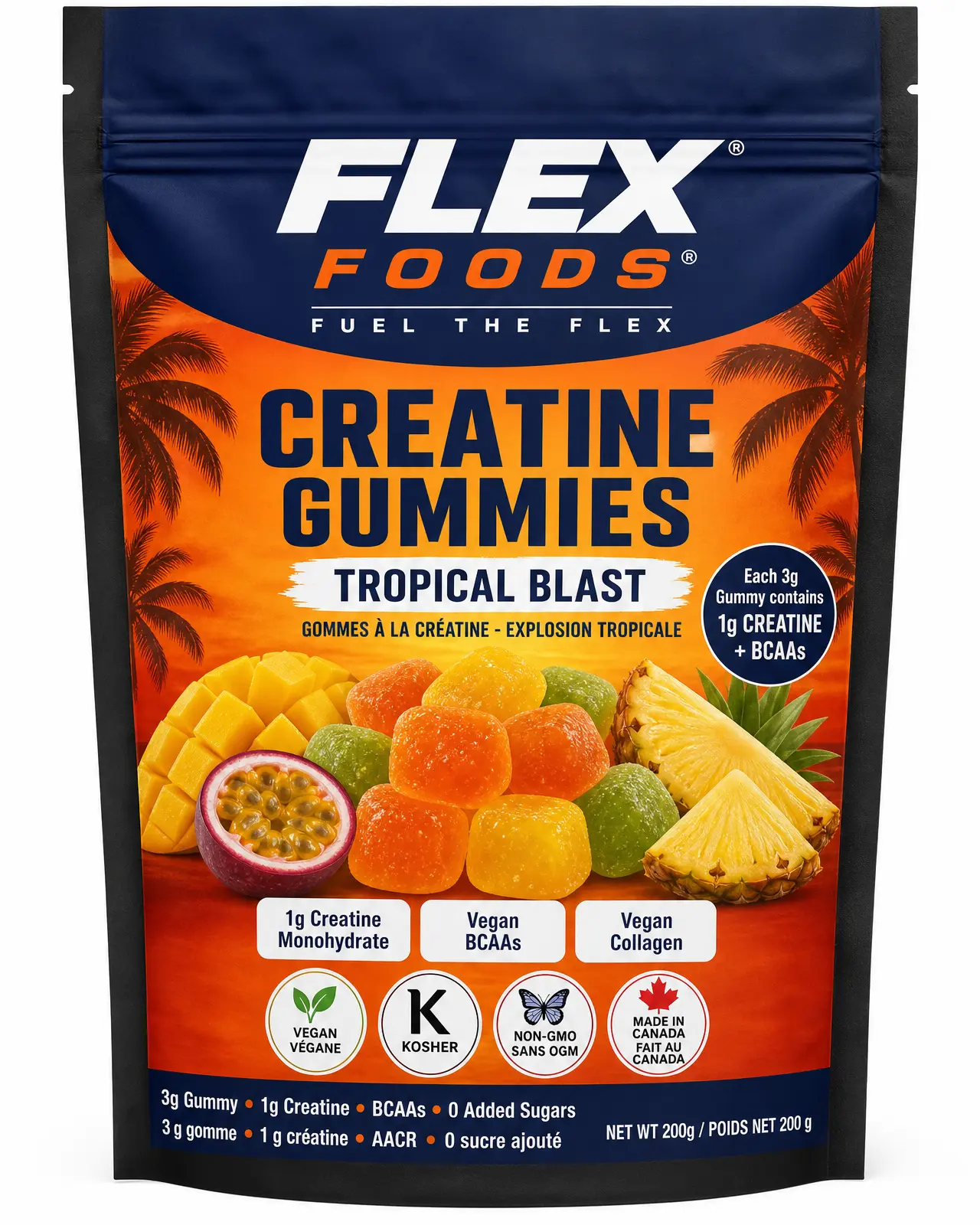
Canadian supplement labels carry an eight-digit NPN — a Natural Product Number. It's a meaningful regulatory marker, and it's routinely both overstated and dismissed.
The framework
Products like creatine, vitamins, minerals, herbal remedies and probiotics are regulated in Canada as Natural Health Products under the Natural Health Products Regulations, administered by Health Canada.
Before a product can be legally sold, the company must obtain a product licence. That requires a submission covering the medicinal ingredients, source, dose, potency, recommended use, and supporting safety and efficacy evidence.
Once granted, the product receives an NPN (or a DIN-HM for homeopathic products), which must appear on the label.
Separately, sites that manufacture, package, label or import NHPs require a site licence, demonstrating compliance with Good Manufacturing Practices — covering premises, equipment, personnel, sanitation, specifications, testing, records and stability.
Monograph versus non-monograph
Worth understanding, because it explains why supplement claims are worded so oddly.
Health Canada publishes monographs for well-characterised ingredients — pre-assessed documents specifying acceptable doses, durations, populations, risk statements and permitted claim wording.
A product formulated within a monograph can use a streamlined application, since the evidence has already been assessed centrally. A product outside one — a novel ingredient, a higher dose, a different claim — requires a full submission with its own evidence package.
Creatine monohydrate has a monograph. That's why creatine products carry similar claim language and similar risk statements: they're drawing on the same pre-assessed document. It's also why the monograph is written for adults, and why claims about mood, sleep or cognition fall outside it. See what Health Canada lets a creatine product claim.
How this compares to the US
The difference is substantial and worth knowing if you buy across the border.
In the US, supplements are governed by DSHEA. Manufacturers are responsible for ensuring safety, and products generally do not require pre-market approval. The FDA acts largely after products are on the market.
Canada requires pre-market authorisation. That's a genuinely stricter posture — a Canadian NHP has had a submission reviewed before sale, which a US supplement generally has not.
It's part of why the Canadian market has fewer of the more egregious products, and it's a fair thing for Canadian brands to point to.
What an NPN does not mean
Four honest limitations, because this is where the marker gets oversold.
It isn't ongoing batch verification. An NPN reflects review of a submission. It doesn't mean Health Canada tests each batch, or any batch, for potency. For a product whose active degrades — as creatine does in a gummy — that's the gap that matters. See how to check a creatine gummy.
It isn't an efficacy guarantee for you. Licensing assesses whether evidence supports the claim at the specified dose. Individual response varies — roughly 20–30% of people are creatine non-responders. See non-responders.
It isn't banned-substance certification. Tested athletes need third-party certification in addition. See third-party testing.
It doesn't cover everything on the package. Marketing copy, front-of-pack graphics and website claims can drift beyond what was authorised. The licence covers the authorised claim.
How to check one
Health Canada maintains a public Licensed Natural Health Products Database. You can search by NPN, product name or company and see the authorised medicinal ingredients, doses, recommended use and risk statements.
That's worth doing if you want to confirm that what a product claims matches what was licensed. It takes about two minutes and it's the most direct verification available to a consumer.
What else the framework requires
Two things worth knowing:
Adverse reaction reporting. Licence holders must report serious adverse reactions to Health Canada. Consumers can also report directly, and doing so is how post-market problems get identified.
Bilingual labelling. Required in Canada, which is why NHP labels carry English and French throughout.
The proportionate summary
An NPN means a real regulatory review happened before the product reached shelves — a stricter baseline than the US market provides.
It doesn't verify what's in the pouch you're holding. For that, ask the manufacturer for finished-product testing data. Both things are true, and a brand citing an NPN as though it answers the potency question is overreaching.
General information about a natural health product, not medical advice.