
Seasonal
Creatine for Students Through Exam Season
The cognitive research is real, smaller than the marketing suggests, and used doses well above a maintenance serving.
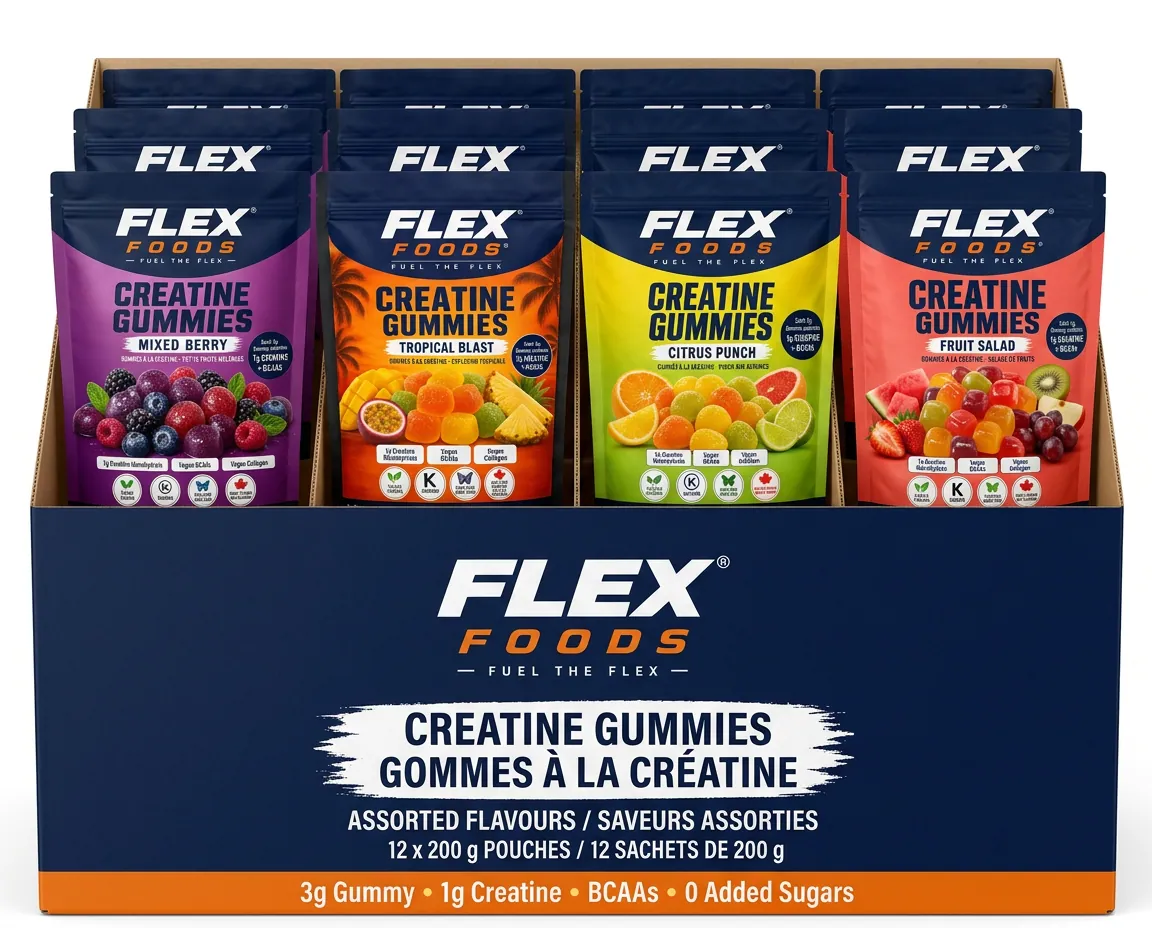
Creatine is increasingly marketed at students on the basis of cognitive research. Some of that research is genuine. The way it's being sold generally isn't.
Here's a straight account, including why we don't make the claim.
What the cognitive research shows
The brain uses the same phosphocreatine–ATP buffering system as muscle, and brain creatine content can be modestly increased through supplementation — though creatine crosses the blood-brain barrier inefficiently, so brain stores respond more slowly and less completely than muscle.
Meta-analyses have generally found small effects on memory, concentrated in particular groups rather than distributed evenly:
- Older adults — among the more replicable findings
- Vegetarians and vegans — who start with lower stores, since dietary creatine comes almost entirely from meat and fish
- People under stress — sleep deprivation, mental fatigue
Where effects are weakest: well-rested, omnivorous young adults performing routine cognitive tasks. Which describes most university students on a normal week.
Fuller treatment in creatine and brain energy.
The three reasons this isn't a study aid
1. The doses don't match. Cognitive studies have generally used 5 g daily or considerably more, and some acute sleep-deprivation work used single doses far above that. Our label serving is 3 g. There's no basis for claiming a maintenance dose produces those effects.
2. Effect sizes are small. These are measurable group-level differences on standardised tasks under controlled conditions — not something you'd notice while reading a textbook. If you take creatine and feel sharper, expectancy is the more likely explanation.
3. It isn't a permitted claim. Health Canada's creatine monograph doesn't cover cognitive claims, and we don't make them. A brand marketing creatine to students for exam performance is operating outside both the evidence and the rules. See what Health Canada lets a creatine product claim.
What actually determines exam performance
Unglamorous and considerably more effective than any supplement.
Sleep. Memory consolidation happens substantially during sleep, so trading sleep for study hours past a point is a poor exchange. A tired brain also reads more slowly and retains less, meaning the marginal hour is worth far less than it feels like.
Caffeine management. Half-life is roughly five hours, so a 4pm coffee still has a quarter of its dose active at 2am — degrading the sleep that consolidates what you studied. Front-load caffeine and stop by mid-afternoon.
Actual meals. Exam-season eating tends to become coffee, snacks and whatever's nearby. Blood sugar swings from refined-carbohydrate snacking affect concentration more than most people account for.
Movement and daylight. A ten-minute walk outside does more for alertness than most supplements, and light exposure helps regulate the sleep timing everything else depends on.
Retrieval practice over rereading. A learning-science point rather than a nutrition one, and it outperforms anything in this post.
Where creatine is genuinely relevant to students
Not studying. Training.
Plenty of students lift, play sport or train competitively, and that's where creatine has well-established evidence — a few extra reps, better repeated-sprint performance, modestly better strength and muscle outcomes over months. See creatine for strength training.
If you're a student who trains, creatine makes sense for the same reason it makes sense for anyone who trains. If you're a student who doesn't, the case is weak.
One group where the cognitive angle is slightly more relevant: students eating plant-based, who start with lower creatine stores and where the cognitive findings have been more consistent. Still small effects, still higher study doses. See creatine for vegans and vegetarians.
Two practical notes
Cost. On a student budget, creatine monohydrate powder is a fraction of the price of any other format — often the cheapest useful supplement available. Gummies cost multiples of that for convenience. See creatine cost per gram.
Age. Health Canada's creatine monograph is written for adults, and our product is intended for adults. Younger students should talk to a physician or dietitian. See should teenagers take creatine.
If exam season is genuinely difficult
Worth saying: exam periods are when eating, sleeping and stress management commonly go sideways, and that's normal and usually resolves once term ends.
If it doesn't, most Canadian campuses have counselling and health services included in student fees. Using them is a reasonable thing to do and considerably more useful than a supplement.
General information about a natural health product, not medical advice.