Fuel Science
Creatine and Brain Energy: The Cognition Evidence
Effects show up most reliably where there's room to move: sleep debt, mental stress, and vegetarian populations.
Creatine's cognitive research is the most-hyped and least-settled part of the literature. It's also genuinely interesting, and there's a pattern in the findings worth understanding.
The brain uses the same system
Neurons are metabolically demanding and rely on the same phosphocreatine–ATP buffering system as muscle. Brain creatine content is measurable through magnetic resonance spectroscopy, and it can be modestly increased through supplementation.
Modestly is the operative word. Creatine crosses the blood-brain barrier inefficiently, so brain stores respond more slowly and less completely than muscle stores — which is why cognitive studies frequently use higher doses and longer durations than performance studies.
The pattern in the findings
Meta-analyses have generally found small but detectable effects on memory, with the effect concentrated in particular groups rather than distributed evenly.
Where effects appear most consistently:
Older adults. Memory improvements have been among the more replicable findings, and it fits — brain creatine content and energy metabolism change with age, leaving more headroom.
Vegetarians and vegans. Studies comparing groups have found effects on memory and processing tasks in vegetarians that were smaller or absent in omnivores. Dietary creatine comes almost entirely from meat and fish, so plant-based individuals start lower. Same logic as the muscle response — see creatine for vegans and vegetarians.
Under stress. Sleep deprivation, mental fatigue, hypoxia. This is where several of the clearer results sit — the system is strained and the buffer matters. See creatine and sleep.
Where effects are weakest: well-rested, omnivorous young adults performing routine cognitive tasks. Which describes a large share of the people the category is marketed to.
That pattern is coherent — the same one seen in muscle. Response size tracks how far below capacity you started.
What "small effect on memory" means
Worth calibrating, because the phrase does a lot of work.
These are measurable differences on standardised cognitive tasks under controlled conditions, at a group level. That is not the same as noticing you think more clearly at your desk.
Effect sizes in this literature are modest. Nobody should expect a perceptible change in day-to-day cognition from creatine, and if you're taking it and feel sharper, expectancy effects are a more likely explanation than the supplement.
The dose gap
Being direct about the limitation that applies to our product.
Cognitive studies have generally used 5 g daily or more, sometimes considerably more, often over weeks to months. Some acute work has used single doses far above that.
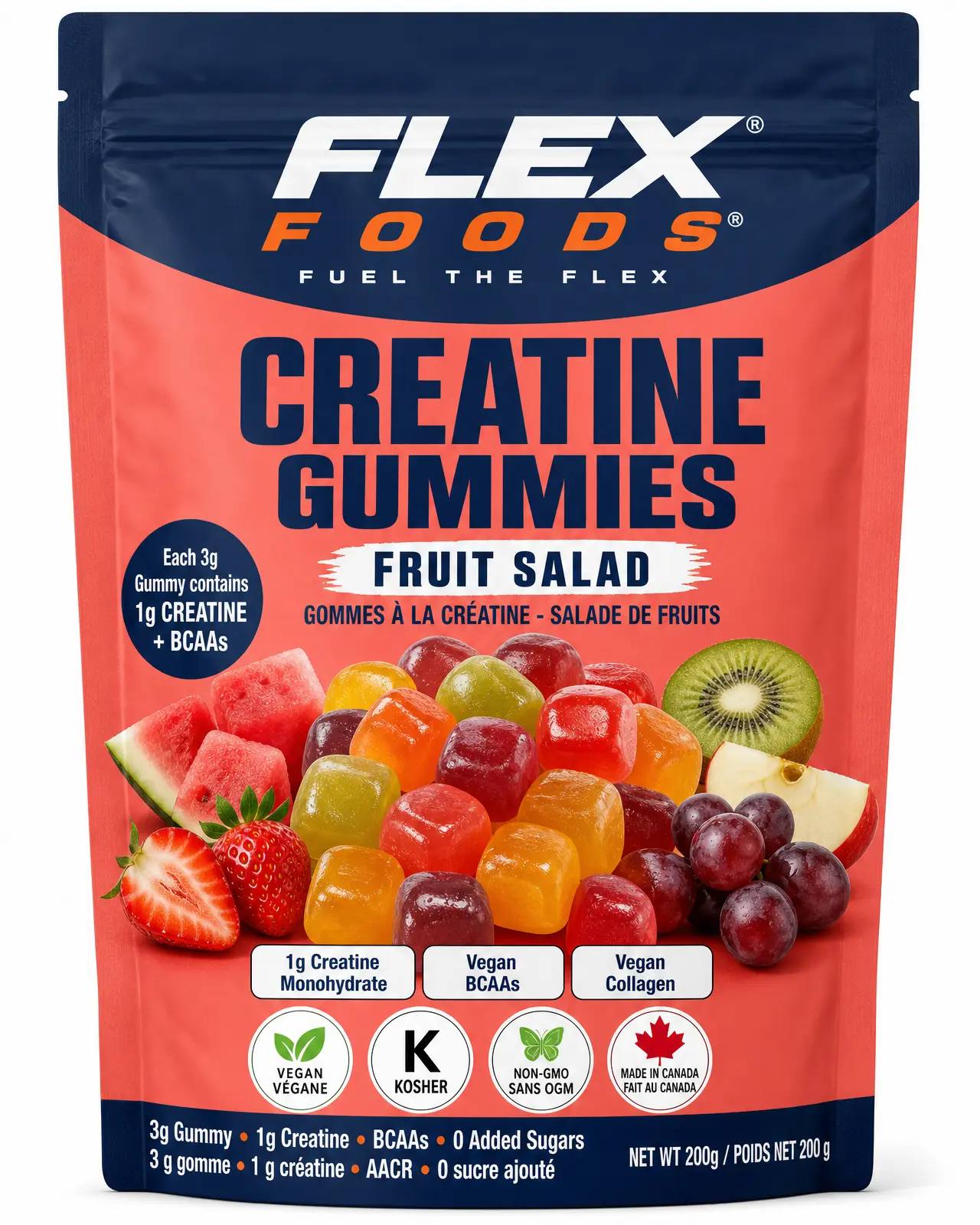
Our label serving is 3 g of creatine monohydrate daily. There's no basis for claiming that dose produces the cognitive effects observed in this literature, and reaching study doses with gummies isn't practical — the sugar alcohol load scales with the number of gummies. See the maltitol post.
What's promising but unsettled
Two threads worth watching without acting on:
Traumatic brain injury and concussion. There's preliminary work on creatine in TBI, including some paediatric research. This is investigational clinical medicine and shouldn't be extrapolated to healthy people taking supplements.
Neurodegenerative disease. Creatine has been trialled in Parkinson's, Huntington's and ALS. Larger trials have generally been disappointing — a well-known Parkinson's trial was stopped for futility. Worth knowing, because it's an example of a promising mechanism not delivering, which is the normal outcome in this field.
The regulatory line
Health Canada's framework specifies permitted claims for creatine natural health products, and cognitive claims are not part of the standard monograph. We don't make them, and we'd be sceptical of any brand that does. See what Health Canada lets a creatine product claim.
The honest position
There's a real and modestly promising cognitive literature, concentrated in older adults, vegetarians and stressed states, using doses above a maintenance serving, with small effect sizes.
If you're vegetarian and over 60, it's a reasonable additional consideration alongside the performance case. For everyone else it's a footnote.
Buy creatine for the performance evidence. That part is well established, and it doesn't need help from a more speculative claim.
General information about a natural health product, not medical advice.