
Fuel Science
Sunflower Oil vs Seed Oil Panic: A Calm Look at the Label
Seed oils are the internet's favourite villain. What the evidence supports, what it doesn't, and why ours is 4 grams.
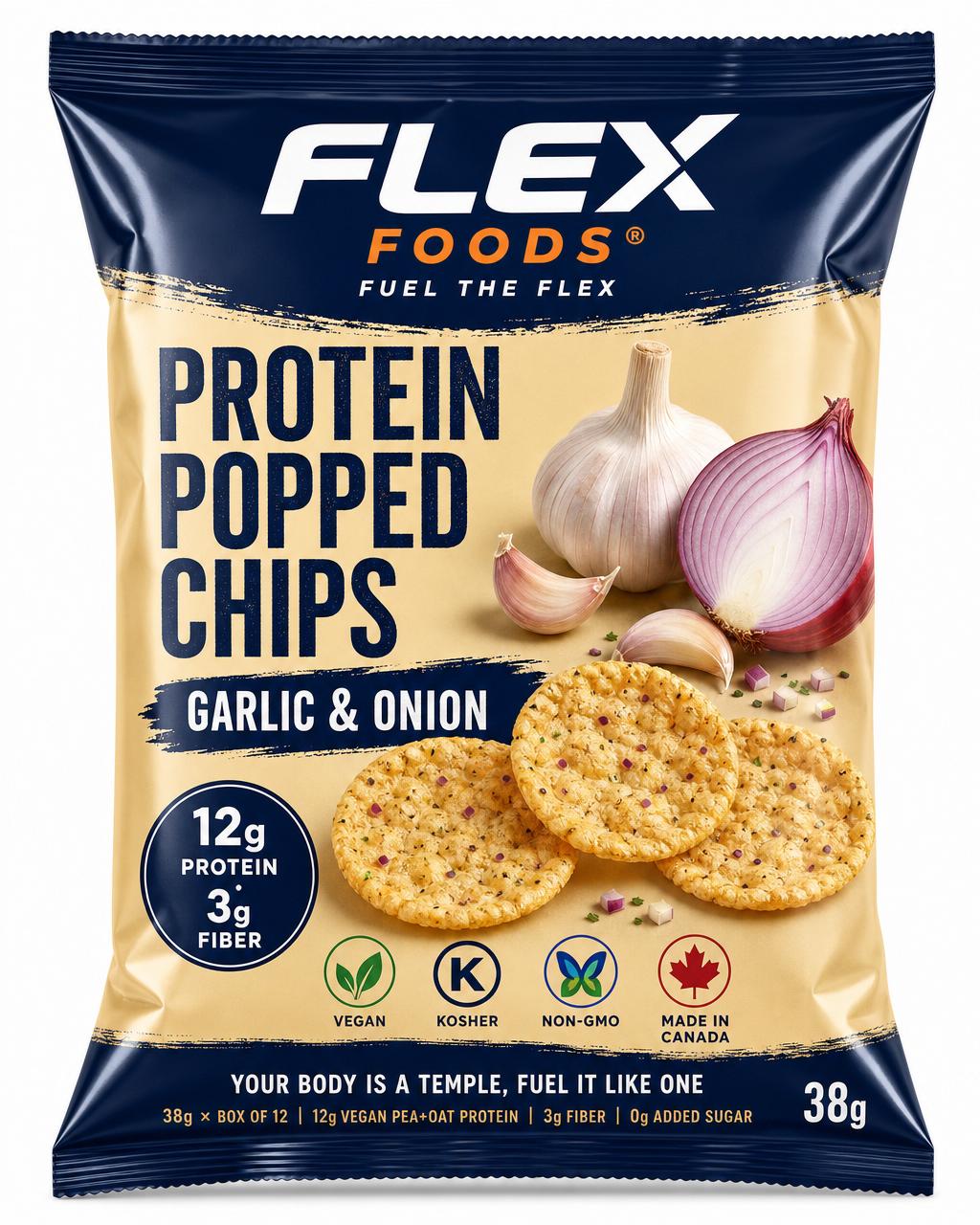
Sunflower oil is the fourth ingredient on our bag, and it's the one we get asked about most. Seed oils have become a genuine cultural flashpoint, and the confident claims on both sides deserve a more careful answer than either offers.
We have an obvious interest here. Read accordingly, and check the primary literature if any of this matters to your decisions.
What the argument actually is
The case against seed oils generally runs like this: industrial seed oils are high in linoleic acid, an omega-6 polyunsaturated fat. Omega-6 fatty acids are metabolic precursors to arachidonic acid, which is a precursor to some pro-inflammatory signalling molecules. Seed oil consumption has risen enormously over the past century. Chronic disease has also risen. Therefore seed oils drive inflammation and chronic disease.
The mechanism in the middle is real biochemistry. The inference from it is where things get shaky.
Where the evidence doesn't support the claim
The pro-inflammatory prediction has been tested fairly directly, and it largely hasn't held up.
Systematic reviews of controlled trials that increased dietary linoleic acid have generally not found increases in inflammatory markers such as C-reactive protein or interleukin-6. Some found small decreases. The conversion of linoleic acid to arachidonic acid in humans is also tightly regulated and inefficient — raising linoleic acid intake substantially does not proportionally raise tissue arachidonic acid.
On hard outcomes, large prospective cohorts and pooled analyses have generally associated higher linoleic acid intake — and higher circulating linoleic acid biomarkers, which avoid the recall problems of dietary questionnaires — with lower cardiovascular disease and type 2 diabetes risk, not higher. Replacing saturated fat with polyunsaturated fat reliably lowers LDL cholesterol.
This is not a fringe reading. It's the position of most major cardiology and dietetic bodies, and it's held across a fairly large body of work.
Where the critics have a point
Three legitimate concerns, which get lost in the crossfire.
The omega-6 to omega-3 ratio. Most people in industrialised countries eat far more omega-6 than omega-3. Whether the ratio independently matters, or whether what matters is simply that omega-3 intake is too low in absolute terms, is genuinely debated. Either way, the practical advice is the same and worth following: eat more omega-3. Fatty fish, walnuts, flax, chia, algae oil.
Oxidation from repeated high-heat use. This one is real and specific. Polyunsaturated fats are chemically less stable than saturated or monounsaturated fats, and holding them at frying temperatures for long periods generates oxidation products including aldehydes. Commercial deep fryers that run the same oil for extended periods are the concerning case — not a bottle of oil in a home kitchen.
The confounding problem. Seed oils are overwhelmingly consumed inside ultra-processed foods. Untangling the effect of the oil from the effect of the fried, salted, refined-carbohydrate food it arrived in is genuinely hard, and observational data can't fully do it. Anyone claiming certainty in either direction is overreaching.
Where our 4 grams comes in
Two specifics that matter for how this applies to our chips.
There's no fryer. Popped chips are made by flash-expanding a dough with steam under pressure — no oil bath, no heat medium, and no oil held at temperature for hours. Sunflower oil is applied as a thin coating after popping, so seasoning has something to adhere to. Remove it and the spices collect in the bottom of the bag. The mechanics are in what popping does to a chip.
The main oxidation concern — repeated high-heat exposure — structurally doesn't apply. That's not a claim about seed oils being good. It's a claim about which specific risk pathway is present.
It's 4 grams total. That's the entire fat content of the bag, 5% of the daily value. A serving of fried potato chips carries 13–15 g, most of it absorbed oil. If you're trying to reduce seed oil intake, the arithmetic points at fried foods, restaurant meals and packaged baked goods, where the quantities are an order of magnitude larger.
Worth noting that high-oleic sunflower oil — bred for a higher monounsaturated and lower polyunsaturated profile — is considerably more oxidation-stable than conventional sunflower oil, and is increasingly standard in snack manufacturing for exactly that reason.
What we'd tell you to do with this
Four things, in descending order of how much they matter.
- Reduce fried and ultra-processed food. This is where the large seed oil quantities and the repeated-heating problem both live. It's also good advice for reasons unrelated to oil.
- Increase omega-3. The most defensible action from the whole debate, and one both camps agree on.
- Don't reheat oil repeatedly at home. If you deep fry, use fresh oil and discard it.
- Don't lose sleep over 4 grams. If a snack's oil content is your remaining dietary concern, you've already fixed the things that matter more.
And if you've decided to avoid seed oils entirely, that's a legitimate choice and our chips don't fit it. We'd rather tell you that than argue you out of your own decision.