Fuel Science
Shelf Life Without Preservatives: How It Works
Water activity, oxygen barriers and nitrogen — the physics that replaces a preservative list.
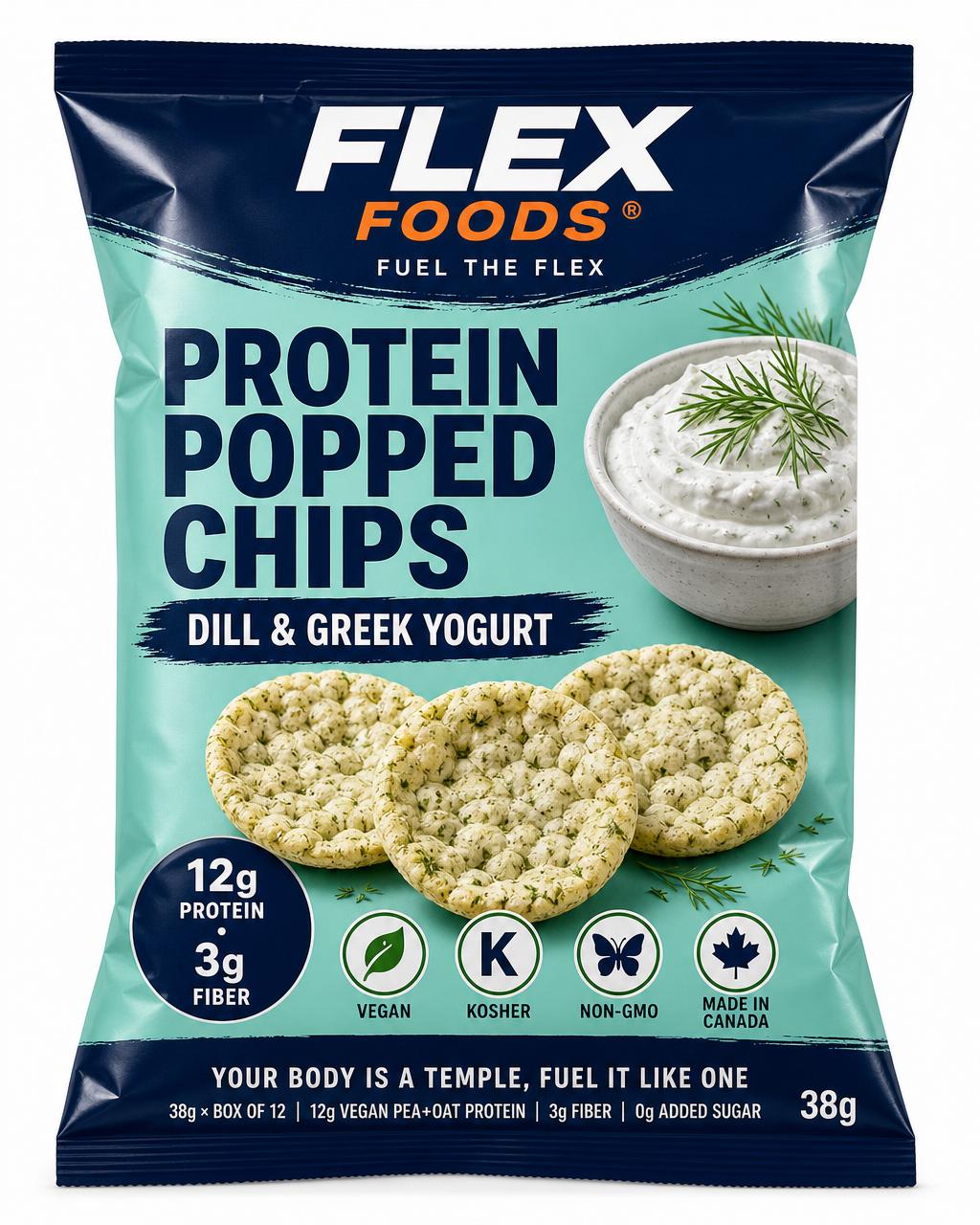
A seven-ingredient list with no preservatives and a best-before date months out looks like a contradiction. It isn't. It's just that the preservation is done by physics rather than chemistry.
Three mechanisms, and they're worth understanding because they explain a lot about which foods can have short ingredient lists and which can't.
Mechanism one: water activity
The foundation, and the least intuitive.
Microorganisms need available water to grow — not total water content, but water that's chemically free rather than bound to sugars, salts or proteins. The measure is water activity, on a scale from 0 to 1, where pure water is 1.0.
The thresholds are well established:
| Water activity | What can grow |
|---|---|
| Above 0.90 | Most bacteria, including pathogens |
| 0.85–0.90 | Staphylococcus aureus, many yeasts |
| 0.70–0.85 | Most moulds, osmophilic yeasts |
| 0.60–0.70 | Only the most xerophilic moulds |
| Below 0.60 | Effectively no microbial growth |
Popped snacks sit well below 0.60. The popping process — flash-expanding a dough with steam and driving off moisture in seconds — leaves a product with very little available water. Nothing grows in it.
This is the same principle behind dried pasta, crackers, hard biscuits, jerky and honey. It's the oldest food preservation technology there is, and it doesn't require an ingredient.
Usefully, the same low water activity that prevents microbial growth is what keeps the chip crisp — one physical parameter doing two jobs. Detail in the crunch problem.
Mechanism two: the oxygen barrier
Since microbial growth isn't the constraint, something else limits shelf life. It's lipid oxidation.
Fats react with oxygen through a free-radical chain reaction, producing hydroperoxides that break down into aldehydes and ketones. Those compounds are what you taste as rancidity — a paint-like, cardboard, or crayon note. It's a quality problem rather than a safety one, but it's what ends the product's useful life.
Two things determine the rate: how much oxygen is present, and how oxidation-prone the fats are. Polyunsaturated fats oxidise faster than monounsaturated, which oxidise faster than saturated. Heat and light both accelerate it.
Our fat load is low — 4 g per bag, from a thin sunflower oil coating rather than absorbed frying oil — which helps considerably. There's simply less substrate to oxidise than in a fried chip carrying 13–15 g.
The rest is the package. A multilayer barrier film with a metallised or high-barrier layer blocks oxygen and light. That's why the bag is a functional component of the product rather than a wrapper, and why it's hard to recycle — the trade-off in packaging trade-offs.
Mechanism three: nitrogen flush
The third piece, and the one that replaces an antioxidant additive.
At sealing, the headspace air in the bag is displaced with nitrogen — an inert gas that doesn't participate in oxidation. Residual oxygen drops to a low percentage, so there's very little available to react with the fats in the first place.
It has a secondary benefit: the pressurised nitrogen cushion physically protects an aerated, brittle product in transit. The puffiness people assume is wasted space is doing structural work.
The alternative approach is adding an antioxidant — tocopherols, rosemary extract, or synthetics like BHA and BHT. All effective, all perfectly legitimate. Nitrogen achieves a similar outcome without an ingredient line, which is why a short list is achievable here.
What 'no preservatives' does and doesn't mean
Worth being precise, since it's a claim we're comfortable making and it's often overread.
It means no added substance whose function is to inhibit microbial growth or oxidation.
It doesn't mean the product is unpreserved. It's heavily preserved — by dehydration, by an engineered barrier, and by atmosphere modification. Physical preservation isn't more natural than chemical preservation; it's a different engineering approach with different trade-offs.
It doesn't mean preservatives are bad. They prevent spoilage, which prevents food waste and food-borne illness, and approved additives go through safety review. A product needing preservatives — anything with meaningful moisture content — is not worse for using them. Our take on that framing is in what clean ingredients should mean.
Best before vs expiry, in Canada
Frequently confused and worth knowing.
A best-before date — the "durable life date" — is about quality, not safety. It indicates how long the unopened product retains its freshness, flavour and nutritional value under appropriate storage. Food past it isn't unsafe; it may be stale, or the seasoning may have faded.
Expiration dates are required only on a small set of products in Canada, including formulated liquid diets, meal replacements and infant formula. Snack foods carry best-before dates.
For a low-water-activity snack, past best-before generally means a duller flavour or a slightly less crisp texture rather than a risk. Judge by smell — rancidity is unmistakable once you know it.
Storage, practically
Cool, dark, sealed. Heat and light are what accelerate oxidation; the sealed bag handles the oxygen.
So a pantry shelf is good. The top of the fridge, where warm air collects, is worse than people assume. A car in July is worst — heat won't make a low-water-activity snack unsafe, but it will noticeably dull the seasoning and speed rancidity over weeks. See road-trip snacking.