
Seasonal
Exam Season Snacking for Students
Thinking doesn't burn much fuel. But blood sugar swings still wreck concentration, and so does everything else about exam season.
Let's dispose of a myth first: studying does not burn meaningful extra calories. The brain uses roughly 20% of resting energy expenditure, and that figure barely moves with cognitive effort. Hard thinking is not a workout, and "I need this because I'm studying" doesn't survive contact with the physiology.
What does affect concentration is stability — of blood glucose, hydration and sleep. Two of those three are food-adjacent, and the third matters more than both.
The glucose problem
The brain runs almost entirely on glucose and doesn't store much, so it depends on a steady supply from the bloodstream. That supply is normally well regulated — but the size of post-meal swings still affects how you feel and function.
Eat a snack that's largely refined carbohydrate and glucose rises quickly, insulin responds, and glucose then dips. Large continuous-glucose-monitoring studies have found that the size of that dip correlates with subjective hunger, lower energy and eating sooner.
For a student, that translates into a familiar pattern: a muffin and an energy drink at 2pm, useful focus until 2:40, and then forty minutes of reading the same paragraph.
Protein, fibre and fat all slow gastric emptying, which flattens the curve. That's the whole nutritional intervention here. Mechanism in why your chips crash you at 3pm.
What to actually keep on the desk
Three or four options, rotated. Single-serve, because an open bag next to a textbook at 11pm is a bag you'll finish without noticing.
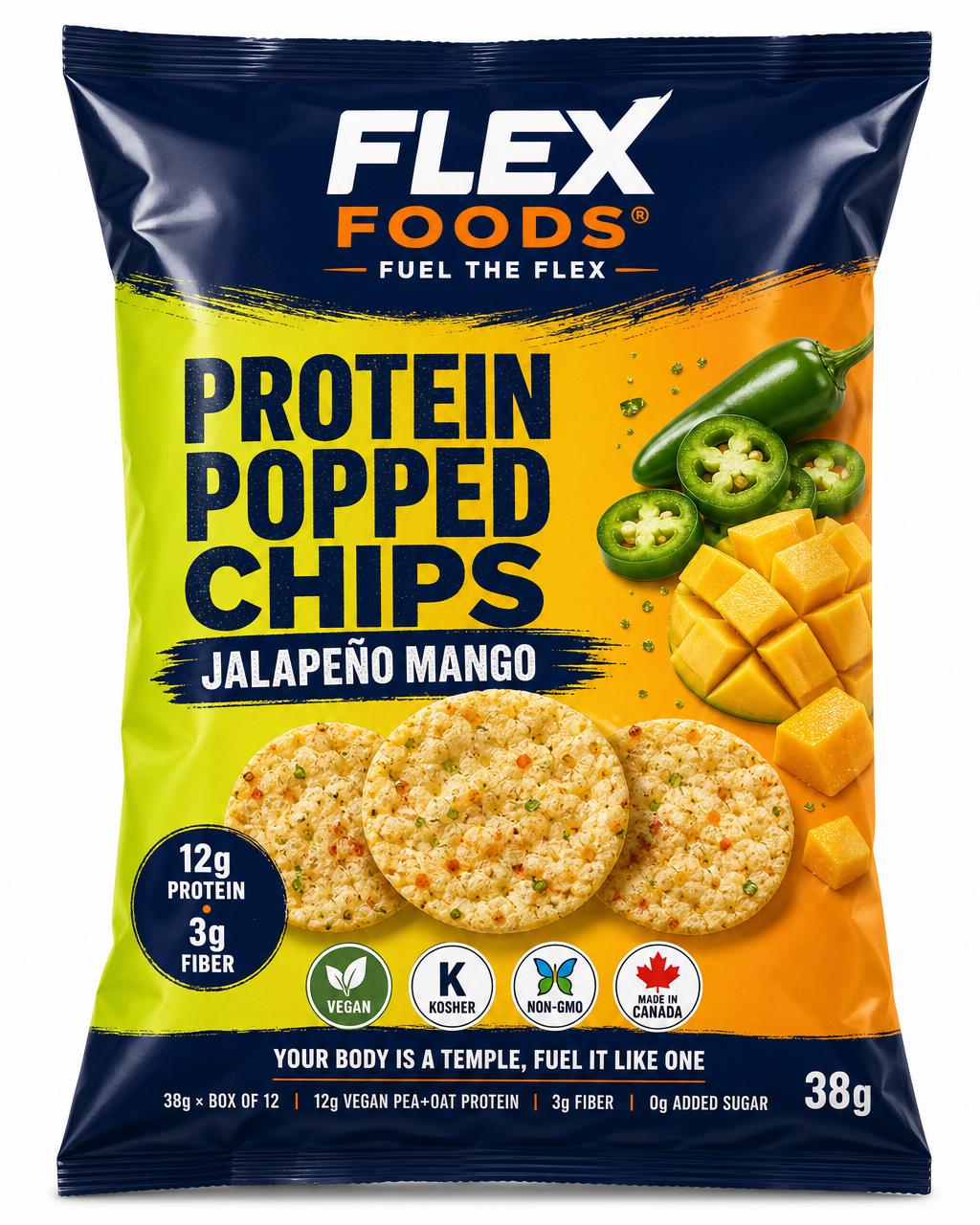
- A protein-forward savoury snack. A 38 g bag of Protein Popped Chips is 150 calories, 12 g of protein, 3 g of fibre, no added sugar. Savoury matters — most study snacks are sweet, and sweet fatigues faster.
- Roasted chickpeas or edamame. Best fibre and protein per dollar available.
- Fruit. Apples and oranges specifically, because they survive a bag and a desk.
- Nuts, portioned. Calorie-dense enough that a shared bowl becomes 700 calories nobody planned.
- A large water bottle. Mild dehydration measurably affects concentration and short-term memory, and it's routinely misread as hunger or tiredness.
Rotate the flavours. Appetite for a specific flavour declines with repeated exposure faster than appetite for food generally, which is why the case of one thing you bought in week one is untouched by week three.
Caffeine, honestly
The most-used study drug and the most mismanaged.
Caffeine's half-life is roughly five hours. A coffee at 4pm still has a quarter of its dose active at 2am. That's not a small effect — it measurably degrades sleep quality even when you fall asleep fine.
Sleep is where studying gets consolidated. Memory consolidation happens substantially during sleep, so trading sleep for study hours is a genuinely poor exchange past a point. A tired brain also reads more slowly and retains less, so the marginal hour is worth much less than it feels like.
Practical guidance: front-load caffeine early in the day and stop by mid-afternoon. If you're relying on it in the evening, that's a signal about sleep debt rather than about needing more caffeine.
On energy drinks specifically: Health Canada advises against caffeinated energy drinks for children and adolescents, and high-dose combinations of caffeine and sugar produce exactly the spike-and-crash pattern you're trying to avoid.
The three things that beat any snack
Being straight about relative importance.
Sleep. The largest determinant of cognitive performance, and no snack compensates for its absence. Seven to nine hours, and consistent timing helps more than total hours alone.
Actual meals. Snacking around three real meals works. Snacking instead of meals means an intake of coffee, crisps and cereal bars, which is where exam-season nutrition usually goes. Meals don't need to be elaborate — beans on toast is a meal.
Moving and going outside. A ten-minute walk does more for alertness than most snacks, and daylight exposure helps regulate the sleep timing that everything else depends on.
All-nighters
Not recommended, and sometimes they happen anyway. If one does:
- Eat something with protein rather than sugar. Overnight glucose tolerance is lower, so a large refined-carbohydrate load at 3am is the worst-case option — see shift work snacking.
- Keep drinking water. Fatigue and dehydration feel similar.
- Accept that retention will be poor and prioritise reviewing over learning new material.
- Don't stack caffeine late if there's an exam in the morning — you'll be jittery rather than alert.
One thing worth saying
Exam season is a period when eating patterns commonly go sideways — skipped meals, erratic timing, using food or its absence to manage stress. That's extremely common and mostly resolves once term ends.
If it doesn't, or if food and eating are taking up a large share of your attention, most Canadian campuses have counselling and health services included in student fees. Using them is a reasonable thing to do, and considerably more useful than a snack strategy.