
Nutrition 101
Building a Simple Supplement Stack From Scratch
Start with evidence, not with a shelf. Four items and the order to add them in.
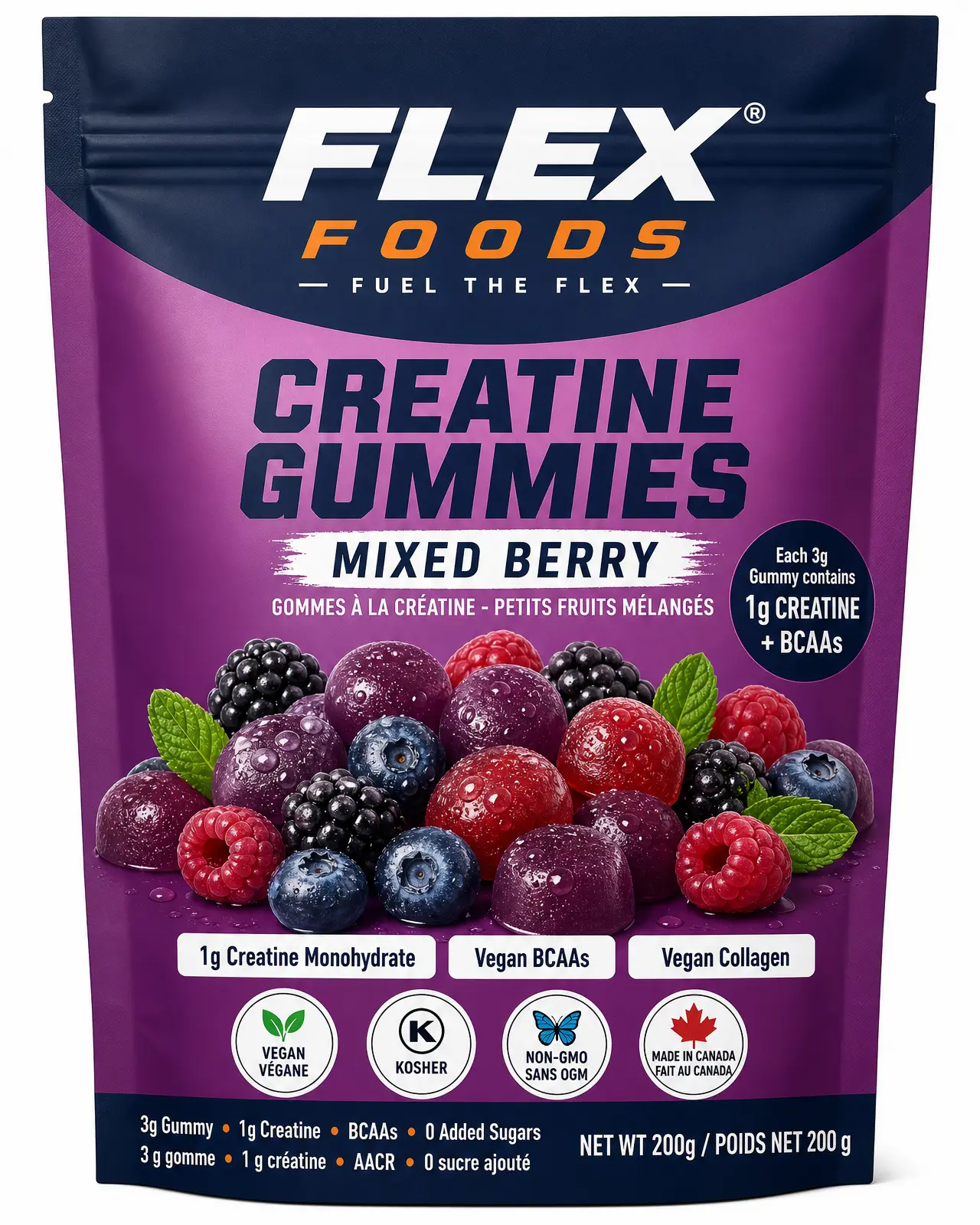
Supplement shopping usually runs backwards — start with products, work toward a rationale. Running it forward produces a much shorter list.
Before anything: the free variables
These outperform every supplement on this page, and they cost nothing.
Sleep. The largest recovery variable by a wide margin. No supplement compensates for chronic sleep debt, and several — anything caffeine-based taken late — actively worsen it.
Total energy intake. Chronically eating less than training demands produces stalled progress, recurrent niggling injuries and frequent illness. In its clinical form it affects bone density, hormonal function and immunity. If that pattern sounds familiar, it's a conversation with a doctor or registered dietitian rather than a supplement question.
Consistent, progressive training. Supplements amplify a stimulus. Without one there's little to amplify.
If any of those three isn't in order, buy nothing until it is.
Step 1: Protein, from food where possible
Not really a supplement — a macronutrient with a genuine daily requirement.
People training regularly commonly target around 1.6 g per kilogram of bodyweight, with benefit reported up to roughly 2.2 g/kg. Distribution across three or four feedings matters alongside the total.
Food first: legumes, dairy, eggs, meat, fish, tofu, tempeh. Powder is a convenience for closing a gap, not a requirement.
Most people who train and don't track are short, particularly at breakfast and in snacks. Fixing that does more than anything below. See creatine vs protein powder.
Step 2: Creatine monohydrate, 3–5 g daily
The best evidence-to-cost ratio available. Several hundred human trials, a modest and consistent effect, and among the cheapest useful supplements as powder.
Three things to get right:
- Monohydrate, not HCl, buffered or ethyl ester. See monohydrate vs other forms.
- Daily, including rest days. Turnover doesn't pause. See daily consistency.
- Give it eight weeks before judging, with a training log started beforehand. Roughly 20–30% of people are non-responders.
Step 3: Test, then correct actual deficiencies
The step most people skip, and the one most likely to produce a noticeable difference.
Vitamin D. Skin synthesis is negligible at Canadian latitudes for much of the year, and deficiency is common. Worth discussing with your doctor.
Iron. Deficiency is genuinely performance-limiting and common in menstruating and endurance athletes. Test before supplementing — iron overload is harmful, and this is not a supplement to take speculatively.
Vitamin B12. Not optional on a fully plant-based diet, since plants don't supply it.
The pattern: correcting a deficiency helps; supplementing when replete generally doesn't. That's why testing beats guessing.
Step 4: Caffeine, if you use it deliberately
The most consistently effective legal performance aid — endurance, reduced perceived exertion, alertness. Commonly studied around 3–6 mg per kilogram.
Two caveats. Tolerance develops. And the half-life of roughly five hours means afternoon doses degrade the sleep that step zero depends on.
Plain coffee or a caffeine tablet gives you the main active of most pre-workouts, more cheaply and more controllably. See creatine vs pre-workout.
Optional step 5: Beta-alanine, if your event fits
Only if you compete in efforts lasting roughly one to four minutes at maximum sustainable intensity — 800 m to 1500 m running, 2000 m rowing, track pursuit, some combat and mixed-modal work.
Outside that window it does little. It complements creatine rather than competing with it, covering the adjacent effort range. See creatine vs beta-alanine.
What the stack looks like
| Item | Dose | When |
|---|---|---|
| Protein | ~1.6 g/kg daily | Spread across the day |
| Creatine monohydrate | 3–5 g | Daily, any time |
| Vitamin D | Per your doctor | Daily, if deficient |
| Caffeine | ~3–6 mg/kg | Before hard sessions, not late |
| Beta-alanine | 3.2–6.4 g | Daily, if your event fits |
What's not on the list
Almost everything else. Not because none of it could work, but because the evidence is substantially weaker and each additional product adds contamination risk for tested athletes. See why most supplements don't work and banned substances and contamination.
If you're considering something not listed, run the checks: is the dose disclosed and does it match the studied dose, is there human evidence with outcomes you care about, has it replicated, and would it help you specifically.
General information about a natural health product, not medical advice. Test before supplementing for deficiency, and speak with a doctor or pharmacist about interactions.