
Brand & Values
Overage: Why Supplements Contain More Than the Label Says
Manufacturers routinely add more than the label says. Standard practice, and also where it gets abused.
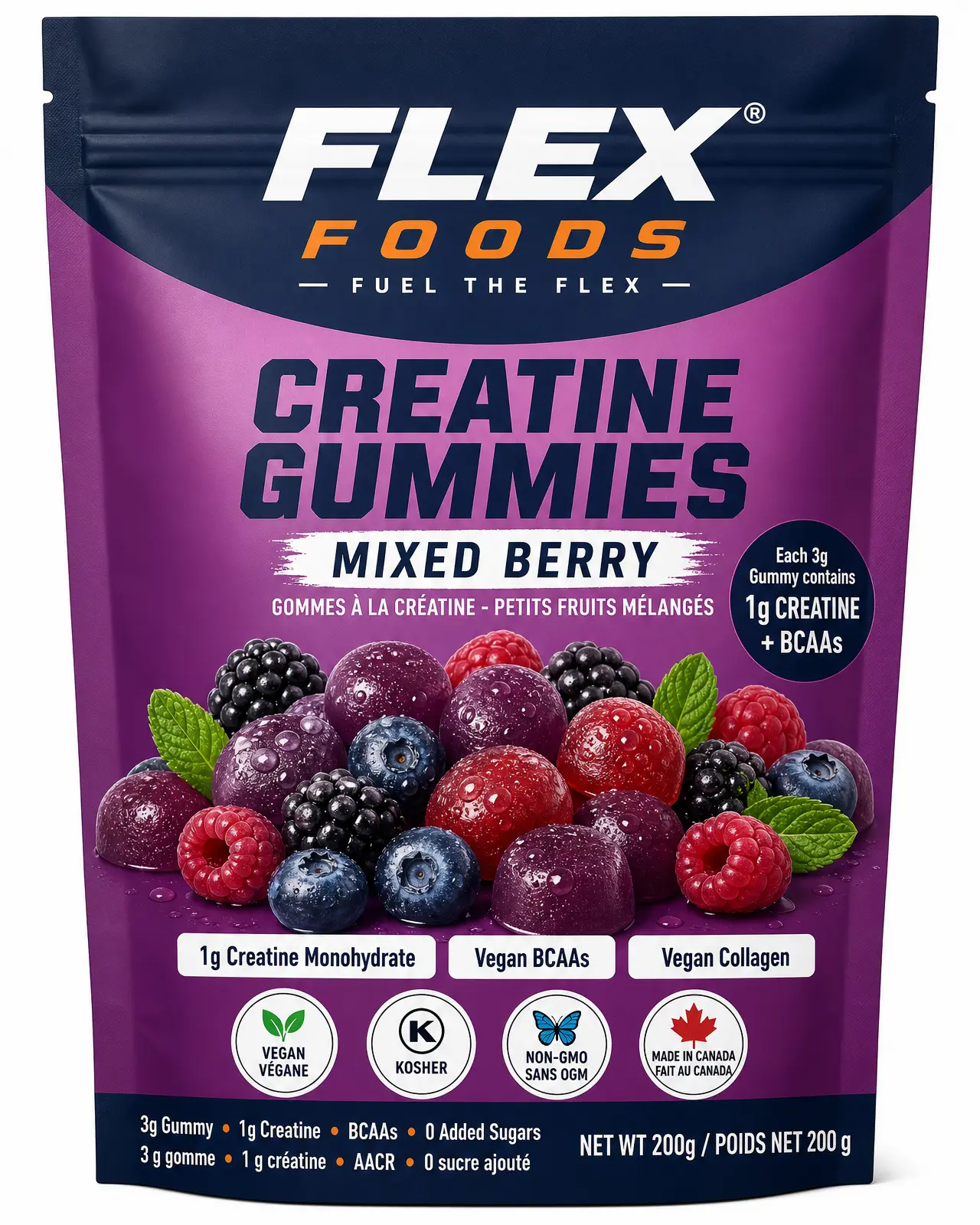
If a supplement label declares 1 g of an active ingredient, the manufacturer almost certainly put in more than 1 g.
That sounds like something to be suspicious of. It's standard practice across supplements and pharmaceuticals, and understanding why explains a lot about how to evaluate a product.
The problem overage solves
A label claim isn't a statement about the moment of manufacture. It's a promise about what's in the product throughout its shelf life, up to the expiry date.
Many actives degrade over time. Vitamin C oxidises. Probiotics lose viability. Some vitamins are light-sensitive. And creatine converts to inert creatinine in the presence of water, acid and heat — see why creatine degrades in water.
If a manufacturer put in exactly the label amount on day one, the product would fall below claim well before expiry. Someone buying it in month ten would get less than they paid for.
Overage is the compensation. Add enough extra that after predictable degradation across shelf life, the declared amount is still present at the end.
How it should be determined
Properly, through stability testing.
A manufacturer produces batches, stores them under defined conditions, and tests active content at intervals — commonly at manufacture, three, six, twelve, eighteen and twenty-four months. That generates a degradation curve.
Accelerated stability testing — elevated temperature and humidity to compress the timeline — gives an early estimate, but real-time data is what confirms it.
From that curve you calculate the overage needed for the product to meet claim at expiry.
Done this way, overage is a quality control measure grounded in data.
Where it gets abused
Three patterns.
Guessed overage. A manufacturer without stability data picks a round number — 10%, 20% — because that's what someone told them was typical. It might be too little, in which case the product falls below claim before expiry. It might be too much, in which case you're overdosing an ingredient without knowing.
Overage covering a fundamentally unstable formulation. This is the important one for creatine gummies. If a formulation degrades severely — say, losing half its creatine before expiry — the "fix" of doubling the input is masking a formulation problem rather than solving it. And the customer buying in month one gets a substantially different dose from the customer buying in month eighteen.
Overage as marketing. "Contains 20% more than label!" as a selling point rather than a stability measure. If it's genuinely extra beyond what degradation requires, the label is inaccurate; if it isn't, it's not extra.
What it means for dose consistency
Here's the consequence that affects you directly.
With any overage, the actual dose you receive varies depending on when in shelf life you consume the product. A pouch consumed shortly after manufacture delivers more than one consumed near expiry.
For creatine that's tolerable — the dose–response relationship isn't sharp, saturation is the goal, and being modestly over or under is not consequential. See how much creatine per day.
For actives where dose precision matters more, the same variability is a bigger deal. It's one reason the tightest controls exist in pharmaceutical rather than supplement manufacturing.
The regulatory position in Canada
Natural Health Products in Canada are regulated under the Natural Health Products Regulations, requiring a product licence and an NPN, manufacture at a licensed site, and compliance with Good Manufacturing Practices — which include specifications, testing and stability requirements.
Manufacturers are expected to demonstrate that products meet their label claims throughout the stated shelf life. Overage is a normal tool for achieving that. See what an NPN means.
What the framework doesn't do is publish per-batch potency results for consumers. That gap is why asking a brand directly matters.
The question to ask
Not "do you use overage?" — the answer is almost certainly yes and it isn't informative.
Ask instead:
"Do you have stability data showing creatine content across shelf life, and can you provide a certificate of analysis for finished product tested near expiry, with creatinine quantified?"
A manufacturer with real stability data can answer that. One using guessed overage can't.
The full version of that question, and what to do with the various answers, is in how to check a creatine gummy actually contains creatine. It applies to us as much as to anyone.
General information about a natural health product, not medical advice.