
Nutrition 101
Creatine and Blood Pressure, Cholesterol and Liver Markers
Long-term trials have monitored the standard markers for years. Here's what they've and haven't found.
Most supplements have safety data measured in weeks. Creatine has trials running for months to years with routine clinical monitoring, which is unusual and worth using.
Here's what's been tracked and what turned up.
What the long-term studies looked at
Several studies have followed athletes and other populations supplementing creatine for extended periods — including work tracking American football players over roughly 21 months — with periodic blood panels covering kidney function markers, liver enzymes, lipids, electrolytes and haematological measures.
The consistent finding across this literature is no clinically meaningful adverse changes attributable to creatine in healthy individuals at recommended doses.
The International Society of Sports Nutrition's position stand summarises it similarly: no compelling evidence of harmful effects from long-term supplementation in healthy people.
Liver enzymes
ALT and AST are the standard markers of hepatocellular injury, and monitoring studies have generally not found elevations attributable to creatine.
One confounder worth knowing: AST is also present in skeletal muscle, so intense exercise can raise it independently of any liver issue. A lifter with a mildly elevated AST and normal ALT and GGT is frequently looking at muscle rather than liver — and that's a training effect, not a creatine effect.
Related to the CK point in creatine and blood tests: mention your training when discussing results.
Blood pressure
Creatine has not been shown to raise blood pressure. Trials measuring it as a safety outcome have generally found no meaningful change.
The intuitive worry is water retention — if creatine increases total body water, wouldn't that increase blood volume and pressure? The retained water is predominantly intracellular, inside muscle cells, rather than expanding plasma volume in a way that would drive pressure up. See creatine and water retention.
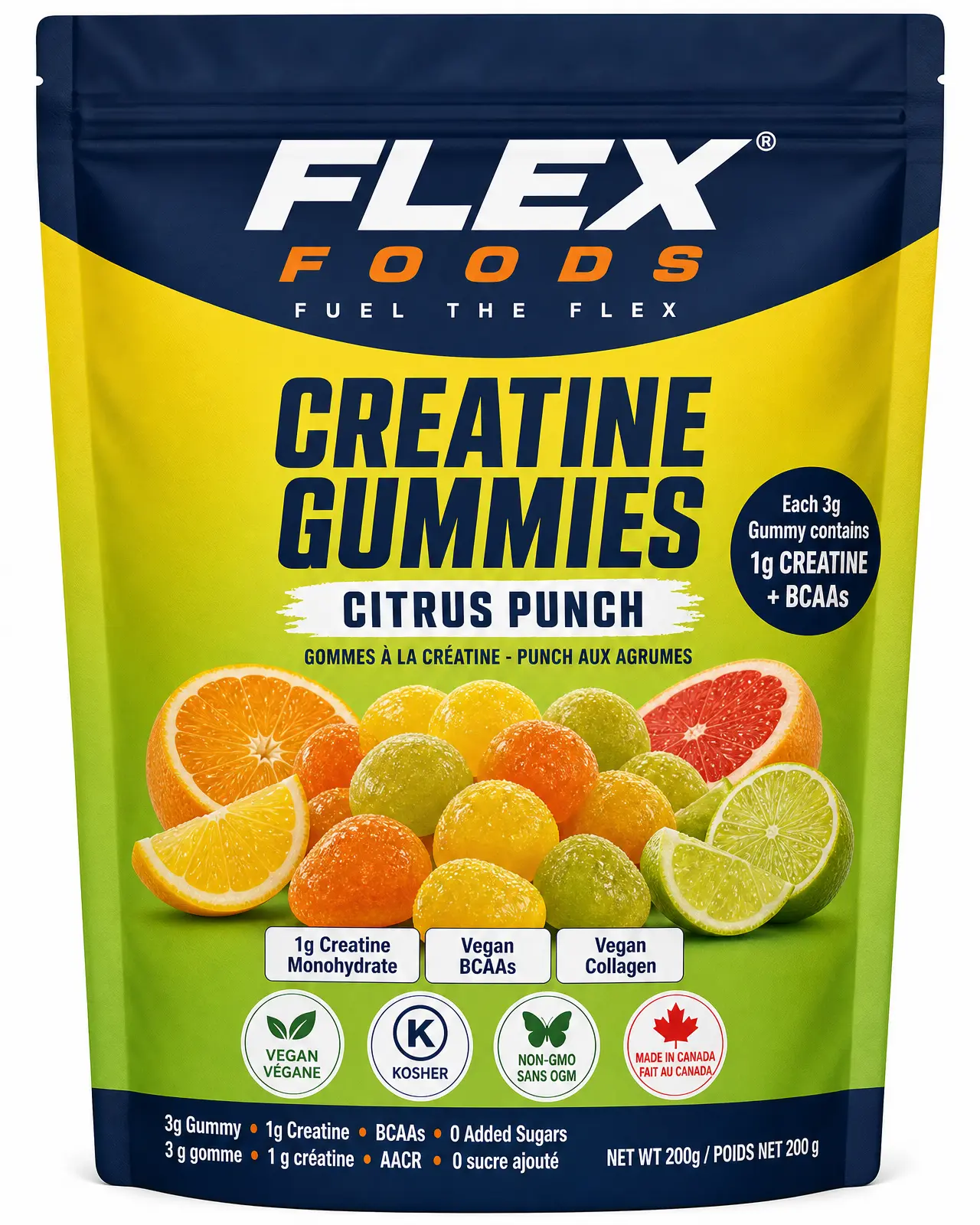
Sodium is also not a factor here. Three of our gummies contain 15 mg — about 1% of a daily value, which is negligible.
Cholesterol and lipids
Studies measuring lipid panels during creatine supplementation have generally found no adverse changes to total cholesterol, LDL, HDL or triglycerides.
A handful of older, small studies suggested possible favourable effects on triglycerides. That hasn't developed into a consistent finding and isn't something to take creatine for.
What about the heart?
No evidence of adverse cardiac effects at recommended doses in healthy adults has emerged from the monitoring literature.
There's a separate and genuinely interesting research thread on creatine in clinical cardiac and neuromuscular conditions, where creatine metabolism is sometimes impaired. That's investigational medicine and has no bearing on whether a healthy person should take a gummy — worth mentioning so the two don't get conflated in either direction.
The limits of this data
Being honest about what the safety literature does and doesn't cover.
It covers healthy adults. "No adverse effects in healthy individuals" is not "safe for everyone." People with existing kidney, liver or cardiovascular disease weren't the study populations.
It covers recommended doses. Generally 3–5 g maintenance with loading protocols at the start. Not indefinite very high dosing.
Follow-up is years, not decades. Trials up to about five years are strong for a supplement and don't tell us about forty years of continuous use. That's a genuine gap, though the mechanism — a compound your body already makes and you already eat — makes a delayed surprise less likely than for a novel molecule.
Sample populations skew young, male and athletic. The literature in older adults and in women has grown but remains smaller. See creatine after 50 and creatine for women.
Who should talk to a clinician first
- Kidney disease, reduced kidney function, or a single functioning kidney
- Liver disease
- Diabetes, particularly with kidney involvement
- Anyone on prescription medication — a pharmacist can check interactions in minutes at no cost
- Pregnancy or breastfeeding — see creatine, pregnancy and breastfeeding
- Under 18 — Health Canada's monograph is written for adults. See should teenagers take creatine
The proportionate summary
Creatine's safety record in healthy adults is better documented than most things in a supplement aisle. That's a statement about a specific population at specific doses, and it's the strongest version of the claim the evidence supports.
General information about a natural health product, not medical advice.