
Nutrition 101
Creatine, Pregnancy and Breastfeeding: What We Don't Know
An area with limited human data and active research interest. Why the labels say what they say.
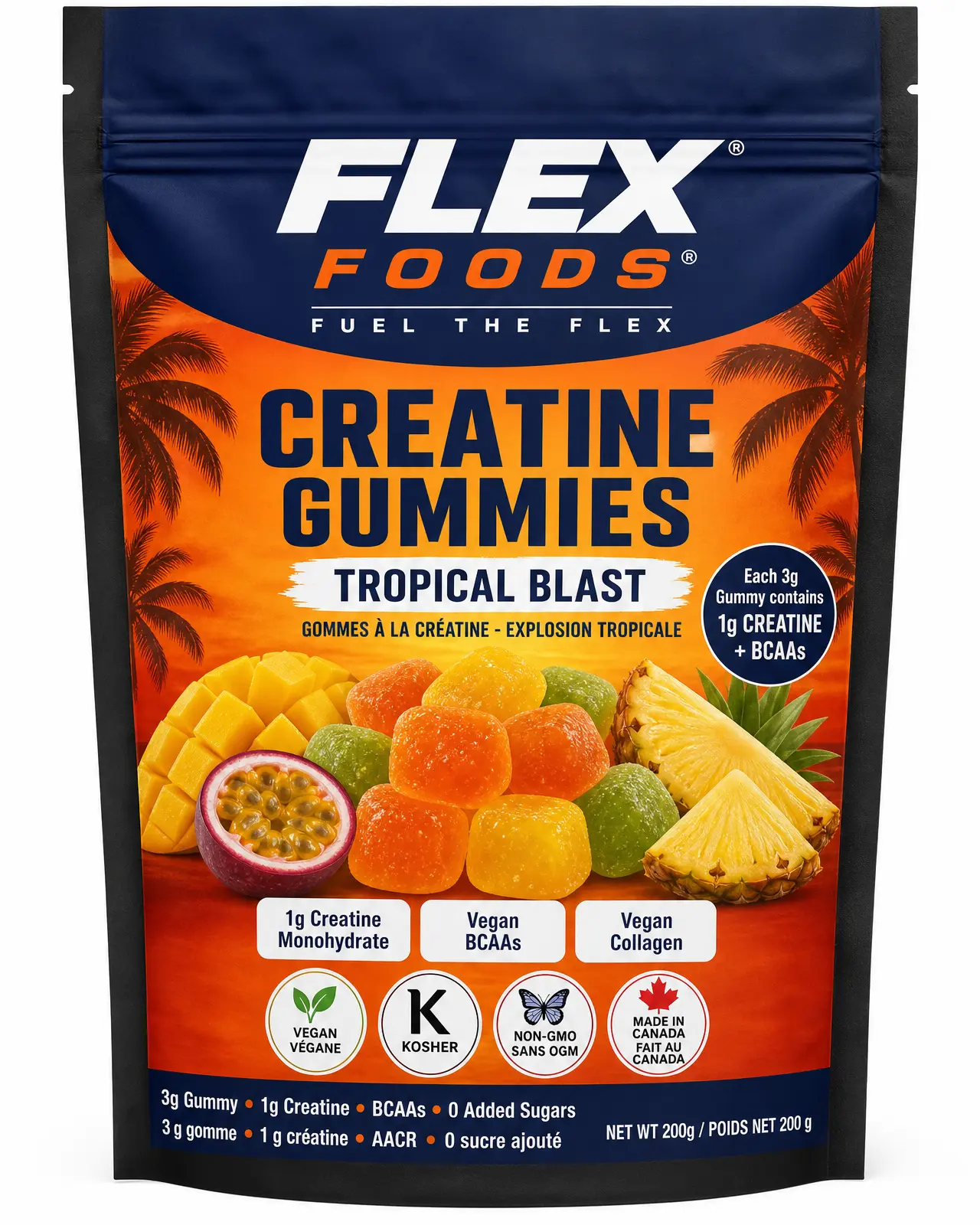
The honest answer to whether creatine is appropriate during pregnancy or breastfeeding is that there isn't enough human data to say, and that's a conversation for your physician or midwife rather than a manufacturer.
That said, "ask your doctor" without context isn't very useful. Here's what's actually behind it.
What the labels say and why
Creatine products in Canada are regulated as Natural Health Products under a Health Canada monograph, and creatine labels commonly carry a statement advising consultation with a healthcare practitioner if you are pregnant or breastfeeding.
That's a standard precautionary approach across the supplement category. It reflects an absence of adequate safety data in these populations rather than a finding of harm — pregnant and breastfeeding people are, for good ethical reasons, rarely included in supplement trials.
The result is a well-known gap: many substances carry precautionary statements not because they're known to be risky but because nobody has established that they aren't.
The research interest, and why it's not a recommendation
There is a genuine and growing scientific literature examining creatine in pregnancy — and it's worth explaining carefully, because it gets misrepresented.
Creatine metabolism changes during pregnancy. Research has examined creatine's role in fetal development and in the energy demands of pregnancy, and there's been interest in whether creatine might have a protective role in contexts such as fetal oxygen deprivation during labour. Some of this work has been done in animal models, and some observational work has looked at maternal creatine status.
Two things to be clear about:
This is investigational. Research examining whether a compound might have a clinical role is not the same as evidence that supplementation is beneficial or safe for general use.
It doesn't translate into a consumer recommendation. A clinical research context, with monitoring and specific indications, is different from a healthy pregnant person buying a supplement.
Anyone citing this literature as a reason to sell you creatine gummies during pregnancy is going well beyond what it supports.
What we'd actually suggest
Talk to your physician, midwife or obstetrician. They know your situation, and they can weigh it against everything else going on.
Bring the specifics. "Creatine monohydrate, 3 grams daily, as a natural health product" is a more answerable question than "is creatine okay?"
A pharmacist is also a good resource, accessible without an appointment, and pregnancy medication and supplement questions are routine for them.
Our product specifically
Two things worth flagging beyond the creatine itself.
Sugar alcohols. Three gummies contain 9 g, predominantly maltitol. Polyols draw water into the intestine and are fermented by gut bacteria, and digestive discomfort is common in pregnancy already. Worth factoring in. See the maltitol post.
It's a supplement, not a prenatal. Creatine contributes no protein, no folate, no iron and no vitamin D — our panel declares 0 g protein and 0 mg iron. It doesn't substitute for anything in a prenatal supplement.
What does have evidence in pregnancy
Since this is more likely to be useful than anything about creatine:
- Folic acid. Health Canada recommends a supplement for anyone who could become pregnant, ideally started before conception, to reduce neural tube defect risk. One of the better-established interventions in public health.
- Iron. Requirements rise substantially; deficiency is common. A test-and-treat situation your care team will manage.
- Vitamin D and B12, particularly on a plant-based diet.
- Omega-3, especially DHA, relevant to fetal development.
- Food safety — Listeria precautions, mercury guidance on fish, a caffeine limit commonly cited at 300 mg daily, and no alcohol.
A prenatal supplement plus your care team's guidance covers most of this.
On exercise during pregnancy
Worth a note, since creatine questions usually come from people who train.
Canadian guidelines generally support physical activity throughout pregnancy for those without contraindications, including resistance training, with modifications. That's a genuinely evidence-based recommendation — and it's the training rather than the supplement that produces most of the benefit anyway.
Your care provider can advise on what's appropriate for you.
The summary
Not enough human data to say. Labels advise consulting a practitioner. Research interest exists and doesn't constitute a recommendation. Ask your care team, and be specific about the dose and product.
General information about a natural health product, not medical advice.