
Seasonal
Summer Heat, Sweat and Creatine
The cramping warning was tested directly in the heat. It didn't hold up — and storage is the real summer issue.
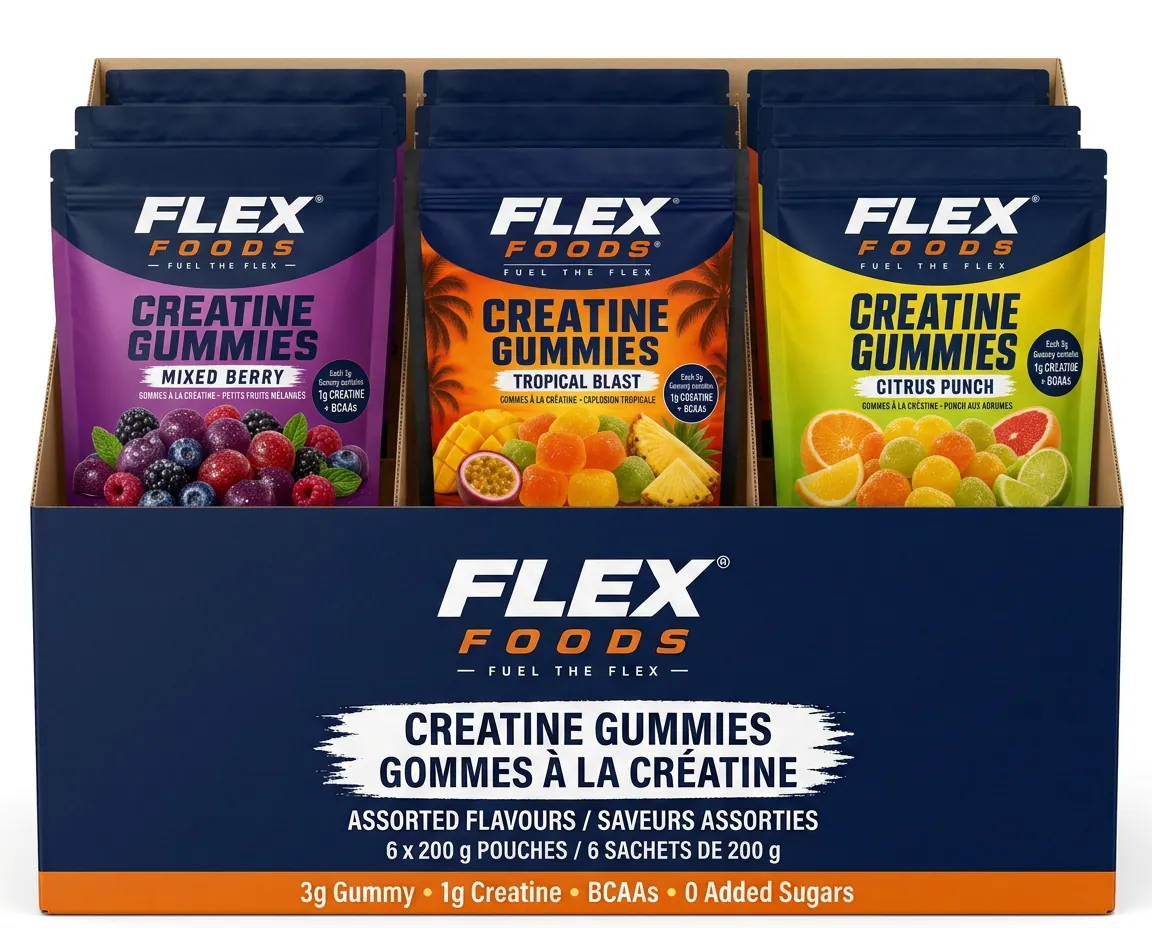
Creatine and hot weather comes with a warning that circulated widely for years and has largely not survived testing. Meanwhile the genuine summer problem with a gummy gets much less attention.
The old warning
For a period, sports medicine guidance advised caution about creatine in the heat. The reasoning: creatine draws water into muscle cells, so less would be available for sweating and thermoregulation, increasing risk of dehydration, cramping and heat illness.
A coherent hypothesis. Some governing bodies and athletic trainers issued cautions on that basis.
What testing found
Studies examining creatine supplementation during exercise in hot conditions have generally found no impairment of thermoregulation, hydration status or exercise capacity, and no increase in heat illness.
On cramping specifically, work by Greenwood and colleagues tracking college football players across a season found creatine users experienced fewer cramping and injury incidents than non-users — the opposite of the predicted direction.
Reviews and position stands, including the International Society of Sports Nutrition's, have concluded creatine does not increase risk of dehydration, cramping or heat illness. Several have raised the possibility that the increase in total body water may be mildly protective in the heat.
Why the mechanism was wrong
The assumption was that intracellular water came at the expense of extracellular water — a redistribution.
Measurement suggests otherwise: creatine supplementation increases total body water, with intracellular volume rising without a corresponding fall in extracellular volume.
You're holding more water overall rather than moving it between compartments. Which reframes the concern entirely — more total body water in heat is not obviously a disadvantage. See creatine and hydration.
What actually causes exercise cramps
Since creatine gets blamed, worth noting that the mechanism isn't well understood.
The traditional explanation — dehydration and electrolyte depletion — has weakened considerably as a general account. A competing model attributes cramps to altered neuromuscular control and muscle fatigue, and evidence has shifted toward it.
The more consistent predictors of cramping are a personal history of cramping, high exercise intensity relative to training status, and fatigue. Not supplement use.
The genuine summer problem: storage
This is where a gummy is actually vulnerable, and it gets far less discussion than the cramping myth.
Creatine converts to inert creatinine faster at higher temperatures. A gummy already contains water and mild acidity, so the reaction proceeds slowly at room temperature and faster when warm.
Summer exposures that matter:
- A car in the sun can exceed 50 °C. Worst case by a wide margin.
- A gym bag left in a vehicle — the same problem
- A sunny windowsill or a kitchen near the stove
- A cottage or tent over a hot week
Heat also softens pectin gummies and fuses them together — annoying, and a reasonable sign they've been warm.
What to do: keep the pouch sealed, indoors, out of direct sun. Don't refrigerate — fridges are humid and condensation forms each time the pouch warms up, adding moisture to a product engineered around a specific water activity. A cool cupboard beats a fridge. See how to store creatine gummies.
Hydration in the heat, proportionately
Creatine doesn't require dramatically increased fluid intake, and the common advice to drink an extra litre or two isn't grounded in trial data.
What does warrant more fluid: training hard, hot conditions, high sweat rates. That's true regardless of creatine.
Two notes worth keeping in proportion:
Don't force large volumes on the theory that creatine demands it. Overdrinking carries its own risk — exercise-associated hyponatraemia is uncommon but genuinely dangerous, and a more realistic concern for endurance athletes than creatine-induced dehydration.
Sugar alcohols are osmotically active in the gut. Three gummies contain 9 g, which draws some water into the intestine. Not significant at the label serving, more relevant if you take more or are already sensitive. Taking them with food helps. See the maltitol post.
The summary
Creatine doesn't appear to increase cramping, dehydration or heat illness risk. Train and hydrate as the conditions warrant.
The real summer consideration is where you keep the pouch. Not the car.
General information about a natural health product, not medical advice.