
Snacking
Snack Rotation: Beating Flavour Fatigue
Sensory-specific satiety is why good habits die in week three. Rotation is the fix — with one important caveat.
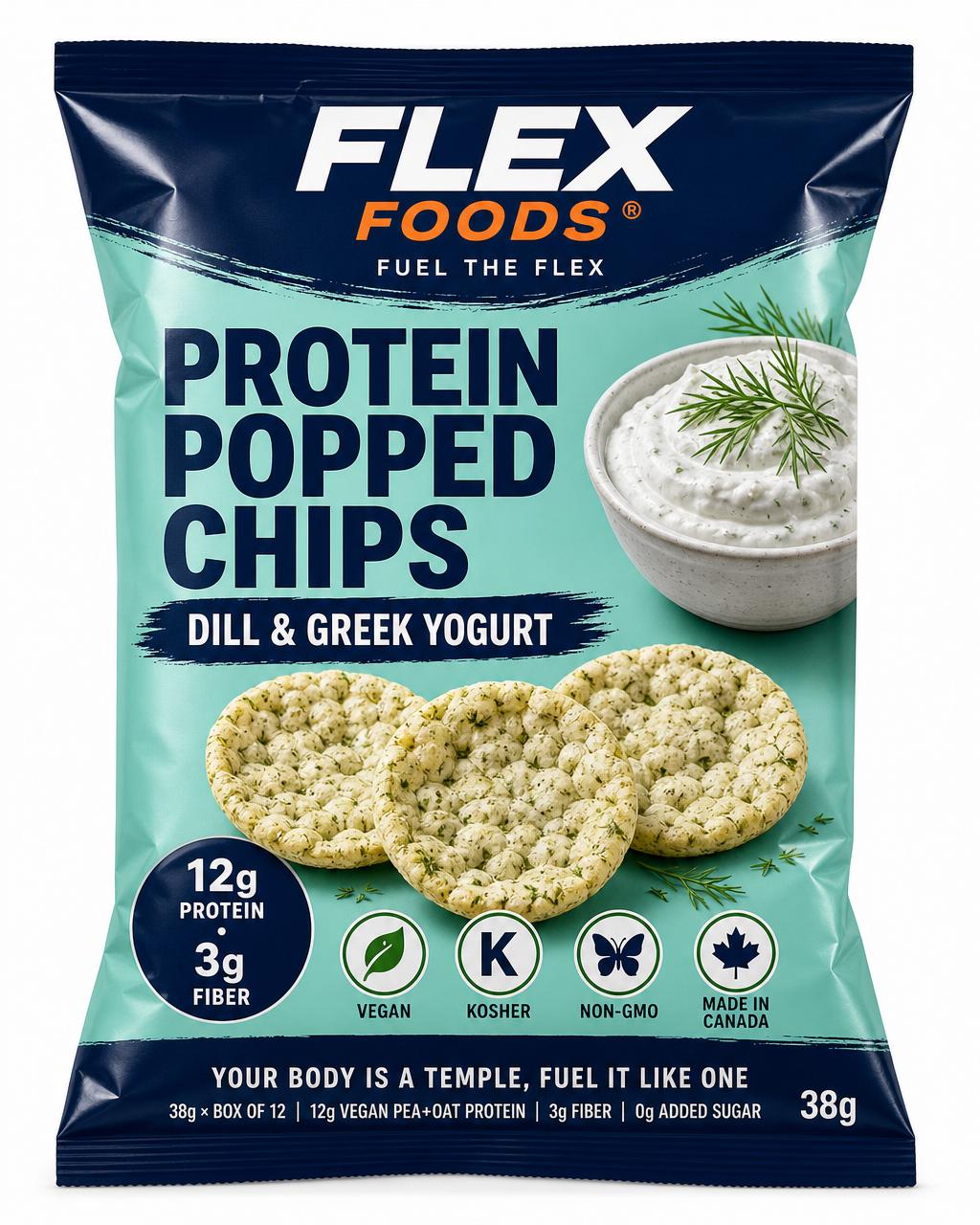
Here's a pattern almost everyone has lived. You find a snack that fits your goals, buy a case of it, eat it enthusiastically for eight working days, and by week three you're actively avoiding it while the biscuit tin quietly wins.
This gets read as a discipline failure. It's a well-documented perceptual effect, and understanding it changes what you do about it.
Sensory-specific satiety
The effect, first characterised in detail by Barbara Rolls and colleagues, is this: appetite for a specific food declines as you eat it, faster than appetite for food in general.
Eat one food to fullness and your desire for that food drops sharply — but offer a different food and appetite returns substantially. It's why there's room for dessert after a large savoury meal, and why a buffet is dangerous.
The effect is driven by the sensory properties themselves rather than by nutrition. Flavour, texture, appearance, aroma and even shape all contribute. Changing the pasta shape while keeping everything else identical measurably restores appetite. That's how sensory the mechanism is.
It operates within a meal, and a related process — habituation — operates across days and weeks. Repeated exposure to the same sensory profile reduces its reward value over time.
Why it kills snacking habits specifically
Three reasons snacks are unusually vulnerable.
Snacks are single-item. A meal has several components, so sensory variety is built in. A snack is one thing, repeated.
Bulk buying concentrates exposure. Buying a case is economically rational and sensorially the worst possible strategy — you've guaranteed maximum repetition of one profile.
The decline is invisible while it's happening. You don't notice liking it less. You notice, three weeks later, that you're choosing something else, and you attribute that to willpower.
The important caveat, which most articles skip
Variety is not straightforwardly good, and it would be dishonest to present it that way.
The same mechanism that makes rotation useful also drives the variety effect — a well-replicated finding that people eat more when offered a wider range of foods. Greater dietary variety, particularly across energy-dense foods, is associated with higher total energy intake. That's the buffet problem, and it's the flip side of the same coin.
So the distinction that matters is:
Variety within a fixed nutritional profile is useful. Six flavours of the same snack, identical macros, one at a time. The sensory experience changes; the nutrition and the portion don't.
Variety across everything available at once is not. A spread of different snacks simultaneously accessible increases total intake.
Rotation means sequential variety with a fixed portion. It does not mean a wider spread on the counter.
How to actually rotate
Four rules.
1. Three to four options, not one and not twelve. Enough to break the repetition, few enough that nothing goes stale before you reach it and that the choice stays small.
2. Vary texture as well as flavour. Sensory-specific satiety responds to texture strongly. Six flavours of the same crisp chip is less effective rotation than a crisp thing, a chewy thing and a soft thing. This is a genuine limit on what a single product line can do for you, ours included.
3. Keep the portion format fixed. Single-serve, so rotation doesn't become an excuse for a wider spread. Portion decisions get made once per package — detail in portion sizes.
4. Sequence rather than display. One option out at a time; the rest out of sight. Proximity and visibility drive consumption more reliably than intention does.
Why variety packs exist
This is the honest commercial answer to a question we get: our 24-pack is four bags each of six flavours, and that isn't a merchandising decision.
Six flavours means the specific sensory experience changes day to day while the nutrition stays identical — 150 calories, 12 g of protein, 3 g of fibre whether it's Tikka Masala or Original Sea Salt. The habit survives longer because it doesn't get boring, and the portion doesn't drift because the format is fixed.
It's also worth being straight that this is convenient for us. A rotation that keeps people buying is good business. It happens to also be the thing that makes a snacking habit last, which is why we'd recommend it even if you rotated between three different brands. Full argument in why the 24-pack wins.
Applying it beyond snacks
The same principle explains several things:
- Why restrictive diets fail in week three rather than week one — it's habituation, not weakening resolve. See a reset without a restrictive diet.
- Why meal prep gets abandoned — five identical containers is maximum repetition. Vary the sauce or the topping and the same base survives the week.
- Why children reject a lunchbox item in week three that they liked in week one. That's not fussiness, it's the same effect. See lunchbox snacks.
In each case the fix is structural rather than motivational, which is the general lesson: when a habit fails on a predictable schedule, look at the structure before blaming the person.