Brand & Values
Small Brand, Big Aisle: Competing With Legacy Snack Giants
What an independent Canadian food company can do that a multinational structurally cannot — and what it can't.
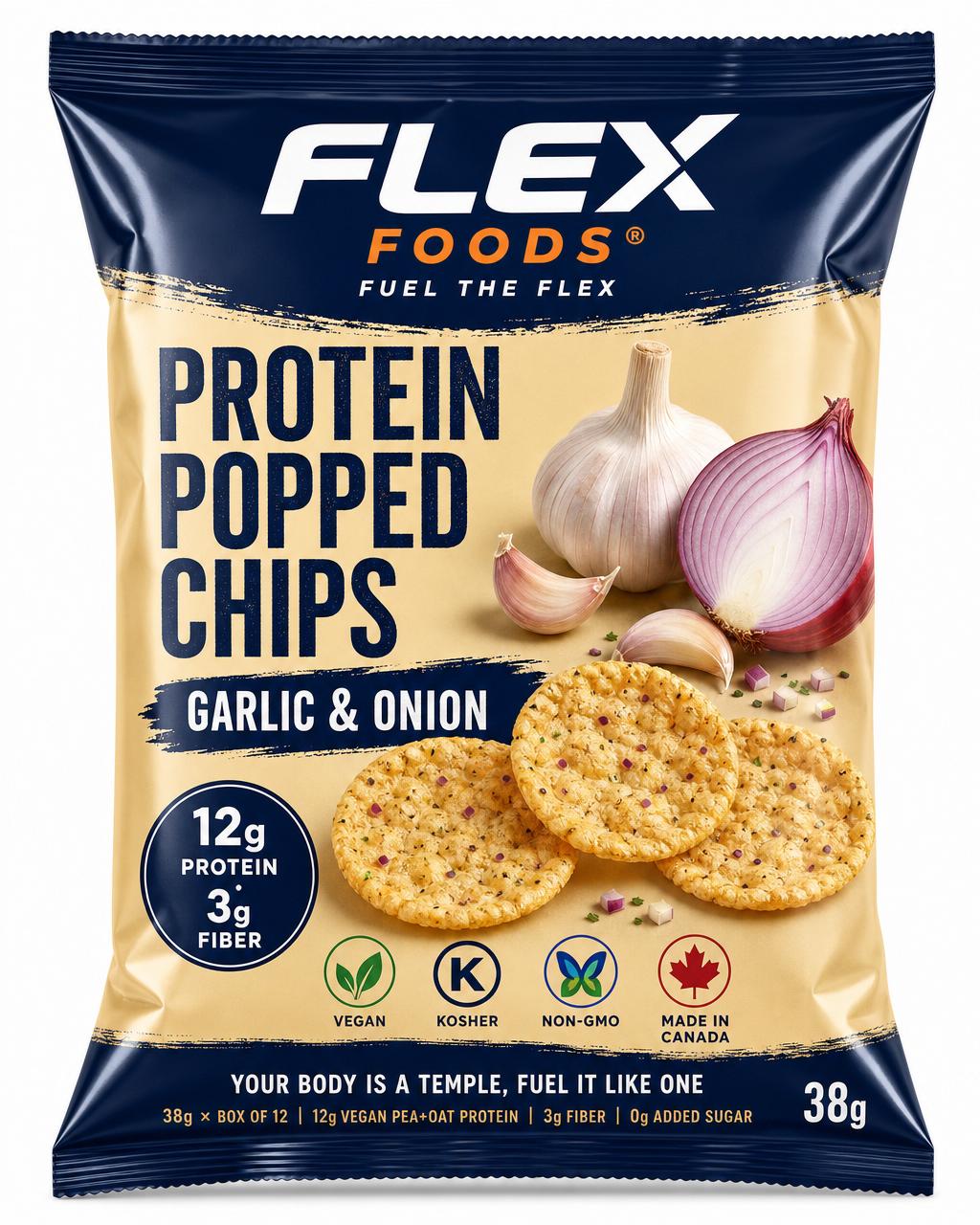
The snack aisle is dominated by a handful of very large companies, and the reasons are structural rather than conspiratorial: scale economics, distribution reach, marketing budgets and the ability to pay for shelf position.
Being small is mostly a disadvantage. There are a few genuine structural advantages, and it's worth being precise about which are real and which are the flattering story small brands tell themselves.
What scale genuinely buys them
Start here, because pretending otherwise would be silly.
Unit cost. Ingredient purchasing at volume, dedicated high-throughput lines, amortised equipment. A large manufacturer's cost per bag is a fraction of a small one's, which is why our chips cost what they do and a bag of mass-market chips costs less.
Distribution. National direct-store-delivery networks that restock shelves several times a week. Small brands mostly go through distributors and have far less control over whether a product is actually on the shelf.
Shelf position. Retail space is allocated commercially, and the ability to pay for placement and to fund promotions is a real advantage. Eye-level, end-of-aisle and secondary displays are not awarded on merit.
Research capacity. Large food companies employ substantial numbers of food scientists and run sensory facilities most small brands can't approach.
The three real structural advantages
1. Formulating without a volume constraint
The most substantive one.
A multinational formulating a new snack has to work with ingredients available at enormous scale, at stable prices, from multiple qualified suppliers. That heavily favours commodity inputs — corn, potato, wheat, soy, palm oil, sugar — because those are the supply chains that can support national distribution without interruption.
Pea protein isolate at the volumes we use is a rounding error to a global supplier and a viable input for us. A large manufacturer building a product on it faces a genuine question about whether supply can scale.
The same logic explains why so many mass-market products contain sugar in savoury seasonings. Sugar is cheap, functionally excellent at rounding harsh flavours, and available everywhere. Removing it costs formulation effort and constrains flavour options — a trade a small brand can make and a category leader mostly can't justify. Detail in building bold flavour with 0 g added sugar.
2. Accepting a smaller market
A product that appeals strongly to a small group is a failure at national scale and viable at ours.
Tikka Masala is a reasonable example. It's assertive, spice-forward, and not what most Canadian shoppers reach for by default. As one of six flavours from an independent brand, that's fine — it doesn't need to be broadly popular, just properly liked by enough people. A category leader needs flavours that offend nobody, which is a different and much harder brief that pushes toward the middle.
3. Being answerable in a single conversation
The practical one. When someone emails about allergen documentation, a kosher certificate, or which lot their bag came from, that question reaches someone who can answer it — not a contact centre routing to a form.
This is a genuine advantage of scale in reverse, and it's the one we're most often asked to demonstrate. Several posts on this blog direct people to hello@flexfoods.ca precisely because we can answer.
Three advantages small brands claim that we'd be sceptical of
Being honest about the category's own marketing.
"Higher quality ingredients." Sometimes true, often not. Large manufacturers have sophisticated quality systems and enormous reputational exposure. Size doesn't determine ingredient quality; specification does.
"More care." A pleasant thing to believe and hard to substantiate. Documented process control is what makes food safe and consistent, not sentiment, and large facilities frequently have better documentation.
"More sustainable." Often the reverse. Scale improves efficiency per unit — larger production runs, fuller trucks, less waste per bag. Small-batch manufacturing is frequently less efficient per unit of food. And local doesn't reliably mean lower carbon, since production practices dominate lifecycle emissions rather than transport. We work through that in sourcing locally in BC.
What this means for you as a shopper
Don't buy on company size. Buy on the specifics, which are checkable either way:
- Is the protein source named specifically and in the first two ingredient positions?
- Is added sugar 0 g in a savoury product?
- Is fibre 3 g or more per serving?
- Is sodium reasonable per 100 g, compared on the same basis?
- Are the claims regulated ones, or adjectives?
A large company can pass all five. Plenty of small ones fail them. The full checklist is in the Canadian high-protein chips buyer's guide.
We'd rather compete on those answers than on being the underdog.