Brand & Values
How We Build Bold Flavour With 0g Added Sugar
Sugar is the cheapest way to make savoury seasoning taste finished. Doing without it takes more work.
Read the ingredient panel on a bag of barbecue chips, sour cream and onion crisps, or almost any sweet-heat snack and you'll find sugar within the first few lines of the seasoning. Sometimes dextrose, sometimes maltodextrin, sometimes plain sugar — but it's there, and it's there for a specific technical reason.
Our six flavours have 0 g of added sugar. That constraint shaped the seasoning work more than any other decision we made.
What sugar is doing in a savoury seasoning
Sugar in a savoury snack isn't there to make it sweet. It does four jobs, and only one of them is obvious.
It rounds off harsh edges. Spices, acids and salt all have sharp attacks. Sugar softens the peaks, making a seasoning taste smoother and more "finished." It's the seasoning equivalent of a compressor on a vocal track.
It carries salt perception. Sweetness and saltiness interact — a small amount of sugar makes a given quantity of salt read as more savoury and less aggressive. Remove the sugar and the same salt level suddenly tastes harsher, which pushes formulators toward reducing salt, which then reduces flavour intensity.
It provides bulk and flow. Seasoning blends need physical body to disperse evenly across a tumbling drum of chips. Sugar and maltodextrin are cheap, free-flowing carriers.
It browns. In baked applications, reducing sugars drive Maillard reactions that produce roasted, savoury aromatic compounds.
Take sugar out and all four of those problems land on your desk simultaneously.
What we used instead
Four substitutions, roughly in order of how much work they did.
Acid in place of sweetness
Acidity and sweetness both cut through fat and salt, and both create the sense of a bright, complete flavour. Citric acid from fruit sources, and the natural acidity in tomato and fermented ingredients, do a substantial share of what sugar was doing for roundness.
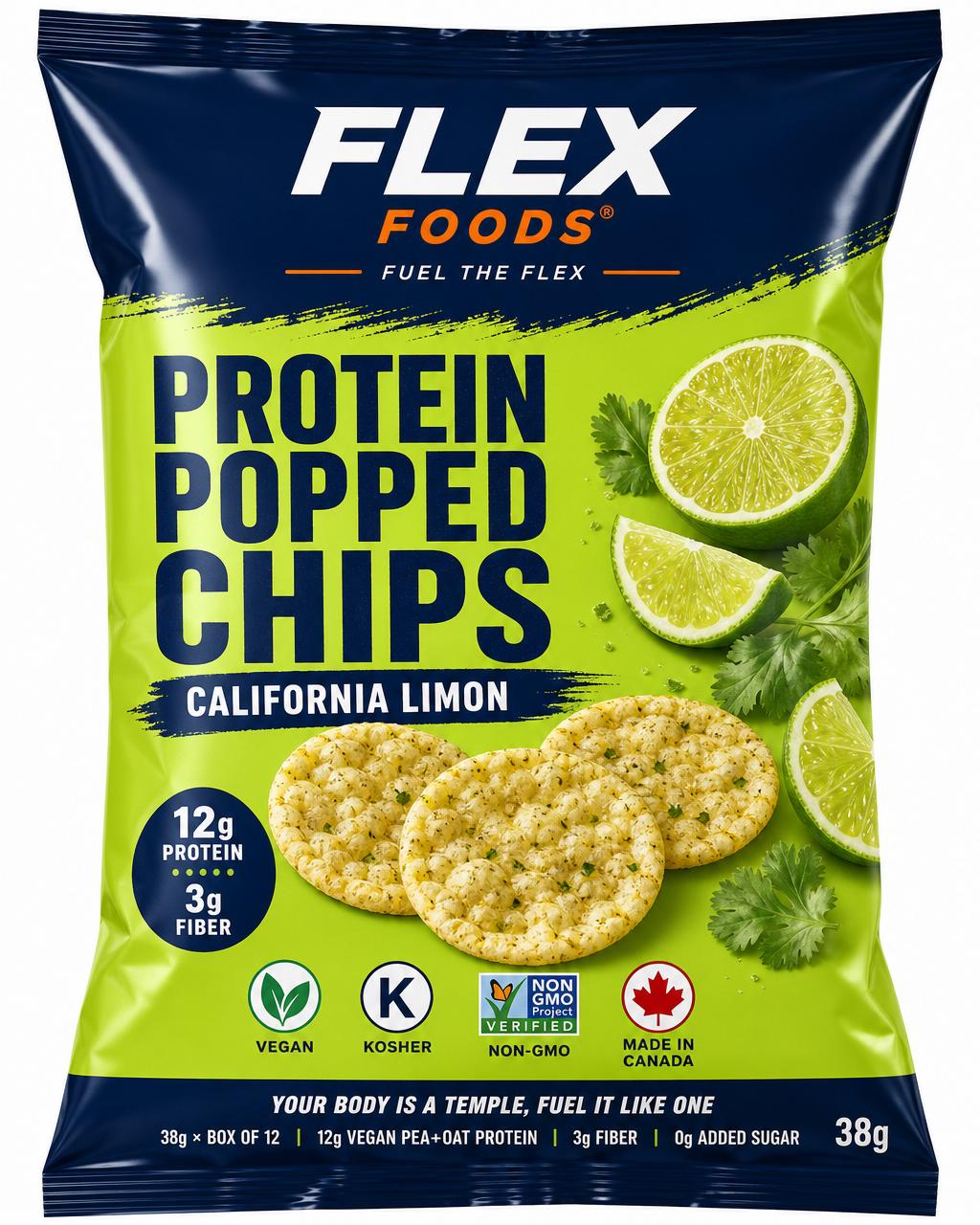
California Limón leans on this hardest. Lime acidity carries the entire flavour arc that a sweet-and-sour seasoning would normally split between sugar and acid.
Aromatic layering instead of a single hit
Sugar lets you get away with a simple spice blend, because it smooths whatever you throw at it. Without it, you need genuine complexity — multiple aromatic compounds arriving at different points as you chew.
Tikka Masala is the clearest example. Cumin and coriander land first, warm and earthy. Then the fenugreek and cardamom middle. Then a slow chili finish. That staggered arrival is what makes it read as a complete flavour rather than a spice hit, and it's the substitute for the roundness sugar provides.
Umami from tomato, alliums and yeast
Glutamates create a savoury depth and body that partially substitutes for sugar's mouth-filling quality. Tomato solids, roasted garlic and onion, and yeast extract all contribute naturally occurring glutamate.
Salsa & Cream Cheese and Garlic & Onion both run on this. It's why they taste rich without fat or sugar doing the work.
Perceived sweetness from the fruit itself
Jalapeño Mango was the hardest one, because sweet-heat is a category defined by sugar. What we used is mango's own aromatic profile — the ester compounds that the brain reads as "sweet" from smell alone, before taste is involved.
You perceive sweetness that isn't nutritionally there. That's not a trick, it's how flavour perception works: aroma contributes far more to what we call taste than the tongue does.
The flavours that didn't survive
Two failed for exactly this reason, and it's worth admitting.
A honey-mustard concept never worked. Honey mustard's entire identity is a sugar-acid balance, and every sugar-free version we built tasted like mustard with something missing. There was no way to fake the specific viscous sweetness the flavour is named after.
A maple-inspired seasoning failed harder. Maple's flavour is inseparable from its sugar chemistry — the characteristic compounds are literally products of sugar breakdown. Without sugar you have a woody, faintly smoky note and no maple.
We could have added 3 g of sugar to a bag and shipped both. We decided a 0 g claim across the whole line was worth two fewer flavours. That's a values call, not a scientific one, and reasonable people would decide differently.
Why 0 g rather than 'low'
Partly because "low sugar" is a squishier claim than zero, and partly because savoury snacks are a place where sugar accumulates invisibly. Nobody accounts for the sugar in their chips, which is precisely why it's an easy place to put it.
Worth being clear on terminology: 0 g added sugars is not the same as sugar-free. Our chips contain no added sugar, and the trace naturally occurring sugars in the ingredients round to zero on the panel. We unpack the distinction in zero added sugar vs sugar-free.
What this means when you eat them
Two things you'll notice, one good and one a genuine trade-off.
The good: no sweetness means less flavour fatigue within a bag. Sweet seasonings cloy — the tenth chip tastes worse than the first. Acid and aromatic-driven seasonings hold up better across a serving.
The trade-off: our seasonings taste sharper and more assertive than the mass-market equivalents you grew up with. Some people find Tikka Masala or Garlic & Onion more intense than expected on a first bag. That's the sugar not being there to round the edges, and it's a real difference in eating experience, not just a nutritional one.
Whether that's better is a matter of taste. It's honestly what we prefer. You can find all six across the line.