Brand & Values
Zero Added Sugar vs Sugar-Free: What's the Difference?
Two claims, two meanings — and the gap matters more than you'd think.
The sugar aisle of label claims is confusing on purpose. "Sugar-free," "no added sugar," "reduced sugar" — they sound interchangeable but mean different things. Here's the plain version.
Sugar-free
"Sugar-free" generally means a product contains essentially no sugar at all — neither added nor naturally occurring — usually within a small threshold defined by labeling rules. A fruit product can't honestly be sugar-free, because fruit contains natural sugar.
No added sugar (zero added sugar)
"No added sugar" means no sugars or sweetening ingredients were added during production. The product can still contain naturally occurring sugars — from fruit, dairy or other whole ingredients. It's about what was put in, not the total.
Why the difference matters
Added sugars are the ones health guidance tells us to limit; naturally occurring sugars come packaged with fiber and nutrients. So "no added sugar" is often the more meaningful claim for a real food, while "sugar-free" tells you about the total.
How we approach it
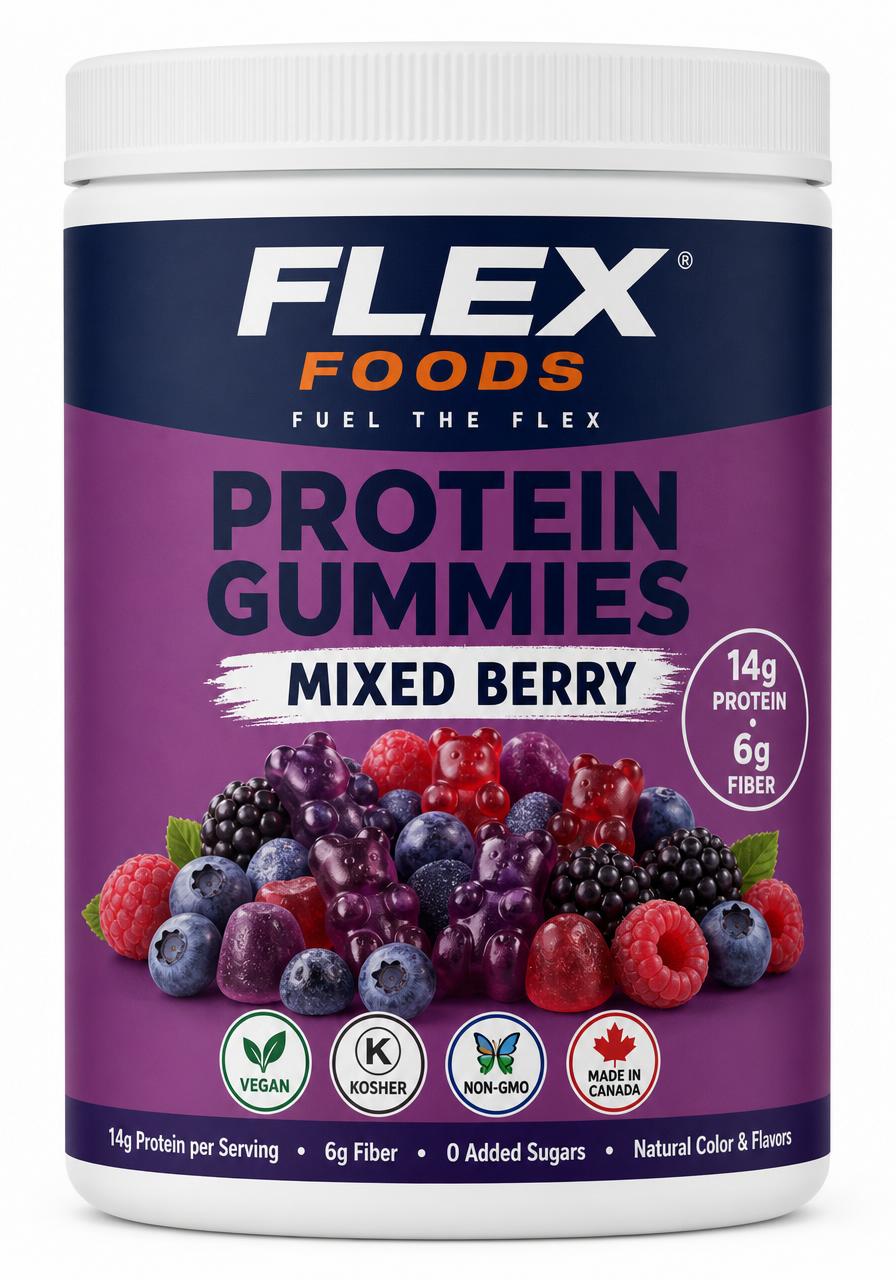
Our products are formulated with 0g added sugar, sweetened with monk fruit and stevia instead of poured-in sugar. Any sugar you see on a panel comes from real ingredients, not from us sweetening the recipe. Our Gummies taste like candy on exactly that principle.
Sweet, with 0g added sugar — shop Gummies.