Brand & Values
What "Clean Label" Really Means
A term on every package and regulated by none. Here's how to read it.
"Clean label" is one of the most-used phrases in food marketing — and one of the least defined. There's no official standard, so it's worth knowing what it should mean and how to see through the fluff.
The reasonable definition
At its best, "clean label" points to a few sensible ideas: a short ingredient list, recognizable ingredients you could picture in a kitchen, and the absence of unnecessary additives. It's less about a specific rule and more about transparency — nothing to hide on the back of the pack.
Where marketing overreaches
Because the term is unregulated, it gets stretched. "Clean" doesn't automatically mean healthy, and fear-marketing a single ingredient while ignoring the whole formula is a red flag. A short list with a mountain of added sugar isn't clean in any meaningful sense.
How to judge for yourself
Skip the front-of-pack buzzwords and read the ingredient list and nutrition panel. Are the ingredients recognizable? Is the list reasonably short? Is added sugar low? Do the functional claims have real numbers behind them? That's the actual test.
Our standard
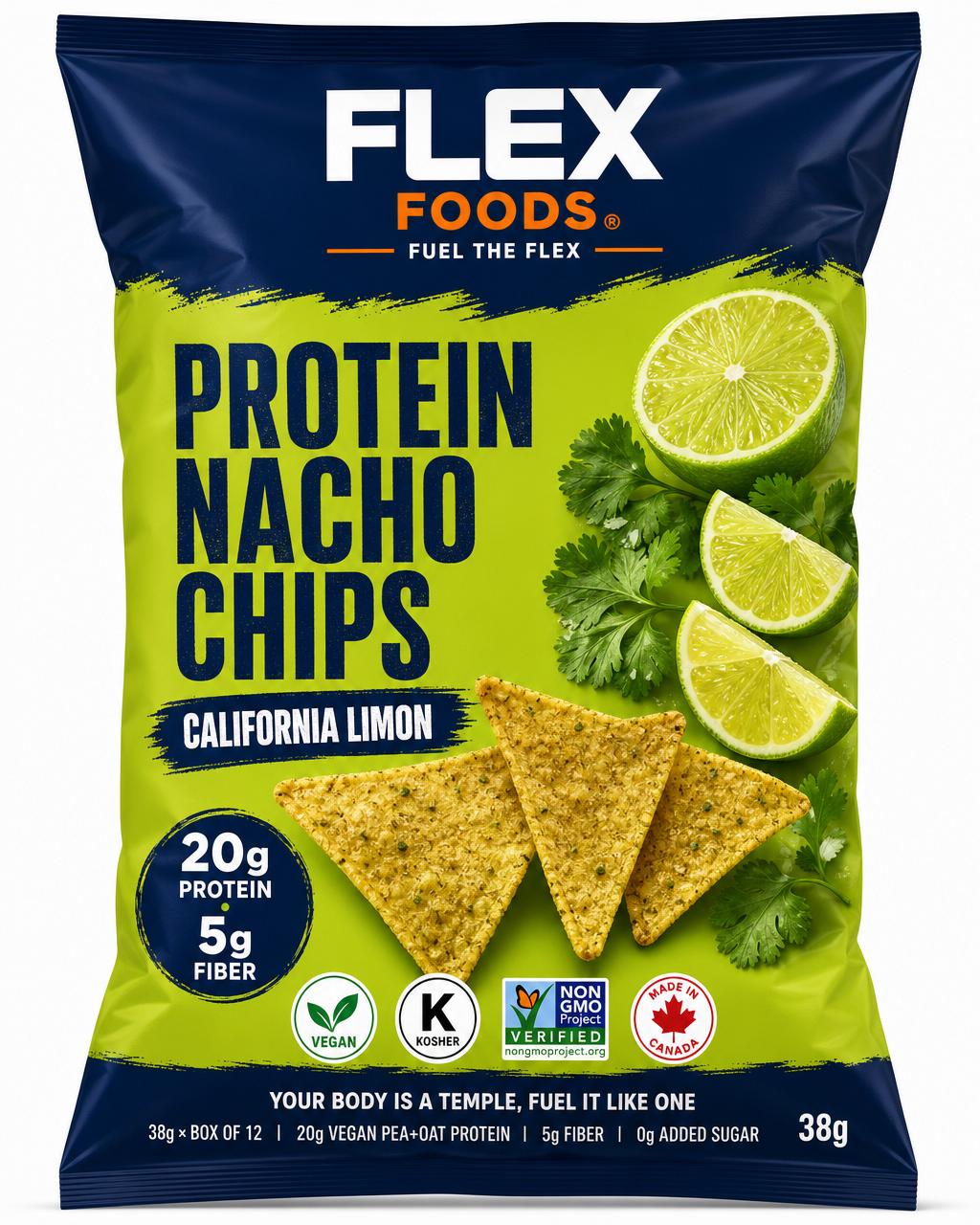
For us, clean label is a discipline, not a badge. Short lists, real names, 0g added sugar via monk fruit and stevia, and functional ingredients only where they earn their place. Read the panel on our Nacho Chips — we built it to be read.
See a label we stand behind — shop Nacho Chips.