Snacking
Best High-Protein Chips in Canada: What to Look For in 2026
Five label checks that separate a real protein snack from a bag with the word 'protein' printed on it.
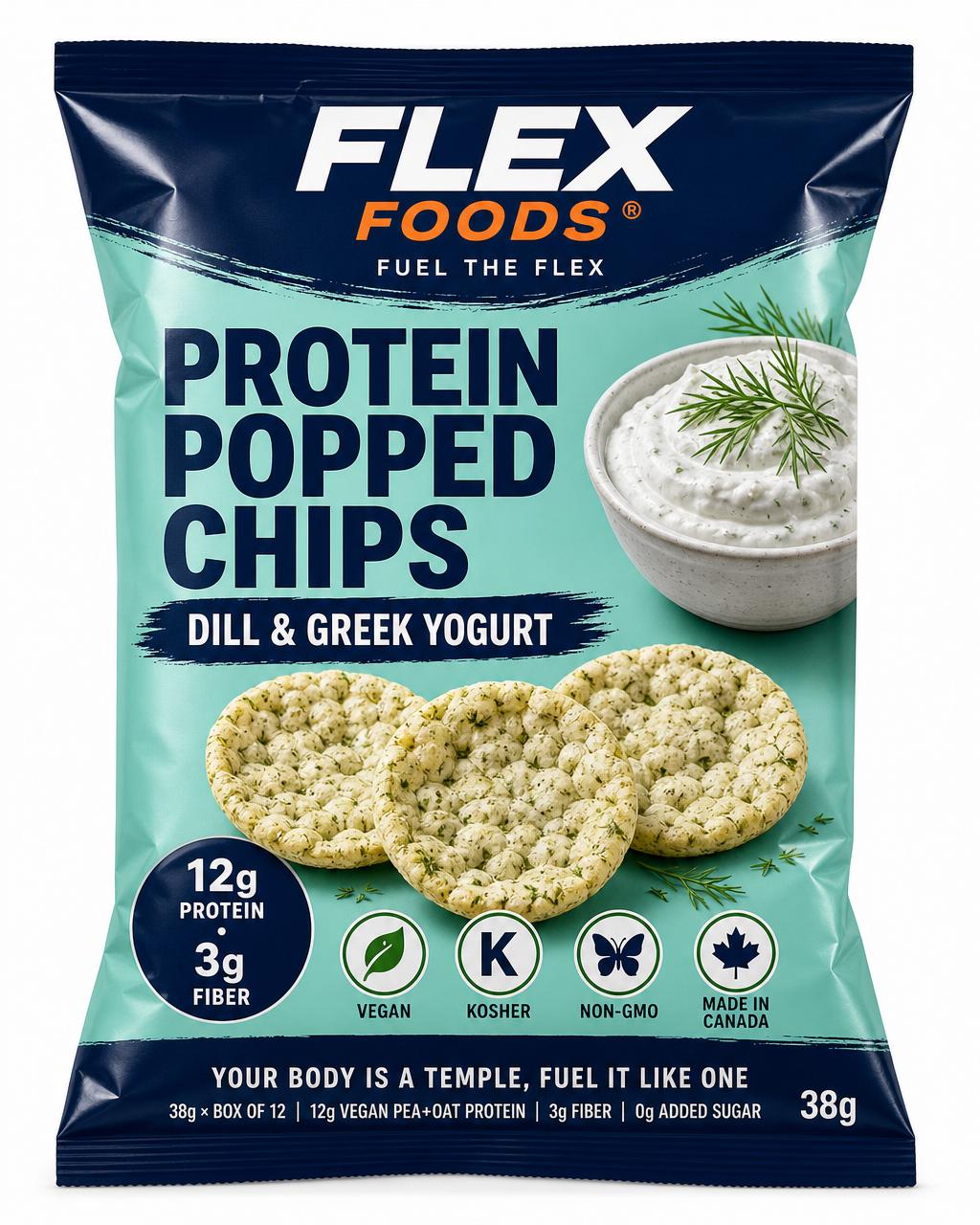
The high-protein snack category in Canada has grown fast enough that the label claims have outrun the products. "Protein" on the front of a bag is not a regulated promise about quantity, and several products that lean hard on the word deliver less protein per serving than a slice of bread.
We make chips, so treat this as an interested party's buying guide. The five checks below work on any brand, ours included, and we'll show you where we land on each.
1. Protein per 100 calories, not per serving
Per-serving protein is easy to manipulate, because serving sizes vary wildly. A brand can declare a 50 g serving and look protein-rich next to a competitor declaring 28 g.
Normalise it. Divide grams of protein by calories, multiply by 100:
- Under 4 g per 100 cal — a carbohydrate or fat snack with some protein in it
- 4–6 g — a moderate protein contribution
- Over 6 g — genuinely protein-dominant
For reference: fried potato chips score about 0.9. Popcorn around 3. Protein Popped Chips come to 8.0 (12 g ÷ 150 cal × 100).
2. Where in the ingredient list does the protein appear?
Canadian ingredient lists run in descending order by weight. If the protein source appears fourth or fifth, after two starches and an oil, the protein is a garnish.
Look for a protein ingredient in the first or second position. Then check which protein: isolate is roughly 80–85% protein by weight, concentrate 50–60%. A product built on concentrate needs substantially more of it to reach the same number, which usually means less room for anything else.
3. Does the protein cover all the essential amino acids?
This matters more for plant-based products. A single plant protein usually has a limiting amino acid — legumes run short on methionine, grains on lysine.
The fix is combining sources. Look for a legume protein paired with a grain protein: pea and oat, pea and rice, chickpea and quinoa. If a chip's only protein is pea isolate, it's still useful protein, just not a complete profile in that one serving. Ours pairs pea isolate with oat protein specifically to close that gap.
4. Sodium, compared on the same basis
This is where high-protein savoury snacks quietly fall down. Protein-based chips often need aggressive seasoning to compensate for a less indulgent base, and sodium climbs.
Compare per 100 g, not per serving. Health Canada's daily value for sodium is 2,300 mg. Some protein chips run 800–900 mg per 100 g; ours is about 525 mg per 100 g (200 mg in a 38 g bag, 9% DV). Neither is alarming in one serving — but it compounds if savoury snacking is a daily habit.
5. Fibre, and the added-sugar line
Fibre is the check most people skip. Protein and fibre together are the combination behind lasting fullness, and a protein snack with under 1 g of fibre is doing half the job. Look for 3 g or more per serving. We cover why in our post on fibre and protein together.
Then check added sugars. In a savoury snack it should read 0 g. Anything above 2–3 g means sweetener is being used to paper over a flavour problem. Worth knowing that "zero added sugar" and "sugar-free" are different claims.
The scorecard, filled in
| Check | Good threshold | Protein Popped Chips |
|---|---|---|
| Protein per 100 cal | > 6 g | 8.0 g |
| Protein position in list | 1st or 2nd | 1st and 2nd |
| Complete amino profile | Two sources | Pea + oat |
| Sodium per 100 g | < 600 mg | ~525 mg |
| Fibre per serving | ≥ 3 g | 3 g |
| Added sugars | 0 g | 0 g |
What we'd tell you to weigh besides the numbers
Two things the panel can't show you.
Whether you'll actually eat it twice. The best-scoring snack you find unpleasant is worse than a good-enough snack you genuinely enjoy, because adherence beats optimisation over any real timeframe. Buy one bag before you buy a case.
Cost per gram of protein. At $3.72 a bag, our chips work out to roughly 31 cents per gram of protein. That's more than eggs or canned lentils and less than most protein bars. Convenience has a price, and it's fair to decide it isn't worth paying on any given day.
Run the five checks on whatever's in your cupboard right now. It's more informative than any list a brand writes about itself.