Brand & Values
Made in Burnaby: NHP Manufacturing in BC
Site licences, GMP and what domestic manufacturing changes when the product is a regulated health product.
"Made in Canada" on a food package and on a Natural Health Product mean different things, because NHPs sit under a different regulatory framework with requirements food doesn't carry.
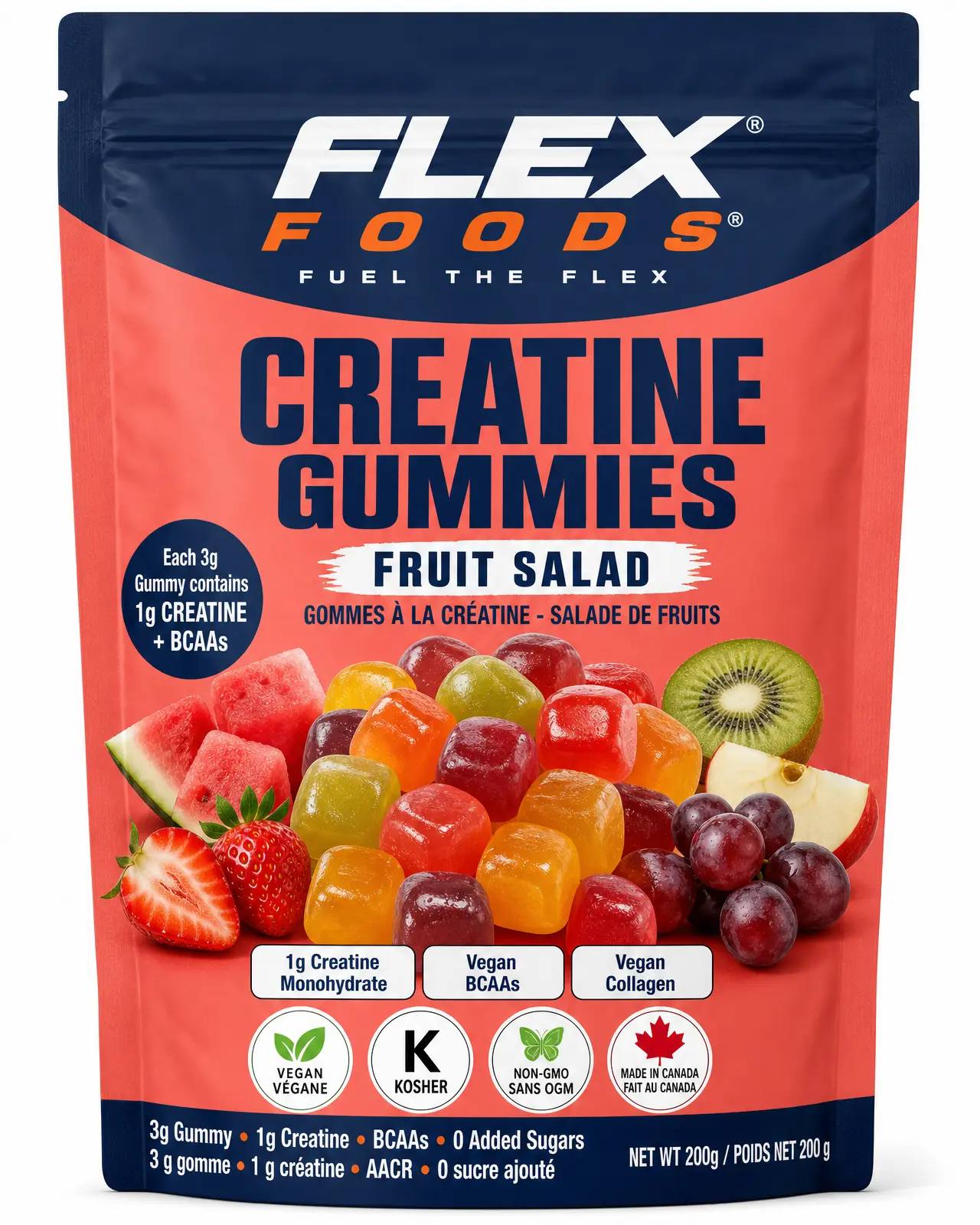
Our gummies are made in Burnaby, British Columbia. Here's what that involves.
The licensing requirement
Two separate licences are involved in selling an NHP in Canada, and people usually only know about one.
A product licence authorises the specific product. The company submits information on medicinal ingredients, source, dose, potency, recommended use and supporting safety and efficacy evidence. Once granted, the product receives an NPN that must appear on the label. See what an NPN means.
A site licence authorises the facility. Any site that manufactures, packages, labels or imports NHPs in Canada must hold one, demonstrating compliance with Good Manufacturing Practices.
That second requirement is the one that matters for a discussion about where something is made, and it's absent from food regulation in the same form.
What GMP actually covers
Not a vague quality gesture. The requirements span:
- Premises — design and maintenance that permits proper cleaning and prevents contamination
- Equipment — suitable, maintained, and cleanable between products
- Personnel — qualified staff with defined responsibilities
- Sanitation — documented programmes
- Specifications — defined criteria for raw materials and finished product
- Testing — verifying products meet those specifications
- Stability — evidence supporting the shelf life claimed
- Records — batch documentation and traceability
- Recall procedures — a documented ability to retrieve product
The stability requirement matters unusually much for a creatine gummy, since the active degrades. A manufacturer has to demonstrate the product meets its label claim throughout shelf life — which is where overage comes in. See supplement overage explained.
Why this differs from the US
A structural difference worth knowing if you buy across the border.
Under the US DSHEA framework, supplements generally do not require pre-market approval. Manufacturers are responsible for ensuring safety, and the FDA acts largely after products reach the market.
Canada requires pre-market authorisation through the product licence process, plus site licensing. A Canadian NHP has had a submission reviewed before sale; a US supplement generally has not.
That's a genuinely stricter posture and a fair thing for a Canadian brand to point to — provided it isn't overstated. It's a review of a submission, not ongoing batch verification of potency.
What proximity changes
Four practical things, none of which requires disclosing facility specifics.
Iteration speed. Gummy formulation is process-sensitive — pH, depositing temperature, curing time and humidity all affect how much creatine survives. Adjusting those across an ocean by email is slow. Adjusting them in person is a Tuesday.
Recall speed. The underrated one. If something goes wrong, traceability determines how fast affected lots get identified and pulled. A short, domestic, documented chain resolves in hours; a long international one takes days.
Audit access. You can walk in. Facilities you can visit unannounced behave differently from facilities you can't.
Verifiable labour standards. BC employment standards, WorkSafeBC, and the ability to meet the people making your product. Offshore contract manufacturing may well be compliant — verification is much harder.
Where ingredients come from
Being straight, since "made in Canada" describes manufacture rather than sourcing.
Creatine monohydrate is produced by chemical synthesis, and global production is concentrated in a small number of facilities — predominantly in Europe and Asia. There is no meaningful Canadian creatine manufacturing industry, so the active is imported regardless of who makes the finished product.
The same applies to most of the non-medicinal ingredients. Pectin comes from citrus and apple processing byproducts, largely European and South American. Maltitol is produced globally.
So: the product is made here, and the ingredients largely aren't. That's true of essentially every Canadian supplement, and anyone implying otherwise isn't being straight with you.
What we won't claim
That local means lower carbon. For most products, transport is a small share of lifecycle impact and production practices dominate. Food miles is a weaker proxy than it feels like.
That local means higher quality. There are excellent and poor facilities on every continent. Geography isn't a quality system; documented process control is.
That an NPN verifies what's in your pouch. It reflects a reviewed submission, not per-batch potency testing. For that, ask for the certificate of analysis. See how to check a creatine gummy.
General information about a natural health product, not medical advice.