
Brand & Values
What Happens in a Flavour Development Kitchen
From a seasoning concept to a shelf-stable product: the stage gates, and the flavours that died at each one.
Flavour development sounds like the fun part. In practice it's a filtering process where most ideas die, and the interesting question is where they die — because each stage kills a different kind of idea.
Stage one: does the concept survive contact with the constraints?
Before anything gets tasted, a concept has to clear the rules the product already operates under.
Ours: no added sugar, no dairy, no soy, vegan, and a seasoning that has to work on a pea-and-oat base rather than a potato one. That last constraint matters more than people expect — a base with 12 g of protein has its own flavour, faintly legume-ish and rounder than potato, and seasonings designed for a neutral starch don't land the same way on it.
What dies here: anything built on dairy. Sour cream and onion, cheddar, ranch. All achievable with plant-derived flavour compounds, but the versions that genuinely taste right tend to need dairy, and the ones that don't taste like approximations.
Stage two: does it work without sugar?
The hardest gate, and the one that killed the most concepts.
Sugar does four jobs in a savoury seasoning: it rounds off harsh peaks in salt, acid and spice; it makes a given quantity of salt read as more savoury; it provides bulk and flow for even dispersion; and it browns. Remove it and all four problems arrive at once.
Substitutes that work: acidity in place of sweetness, aromatic layering in place of smoothness, and umami from tomato, alliums and yeast in place of mouth-filling body. Full explanation in building bold flavour with 0 g added sugar.
What died here:
Honey mustard. The flavour's entire identity is a sugar–acid balance. Every version we built tasted like mustard with something absent, and there was no way to fake the specific viscous sweetness it's named after.
Maple. Failed harder, and for a more fundamental reason. Maple's characteristic flavour compounds are literally products of sugar breakdown during boiling. Without sugar chemistry you get a woody, faintly smoky note and no maple.
The lesson we took: fruit works where syrup doesn't, because fruit has an aromatic identity independent of its sugar content. Mango's ester and lactone compounds read as sweet through smell before the tongue is involved. That insight is what made Jalapeño Mango possible — see the case for sweet heat.
Stage three: does it survive the process?
A seasoning that tastes right in a bowl doesn't automatically survive manufacturing.
Two failure modes:
Volatile loss. Aromatic compounds are volatile by definition — that's what makes them aromatic. Fresh herb notes and delicate citrus top notes evaporate readily. Seasonings that rely on them taste flat by the time the bag is sealed, which is why dried, robust and roasted notes dominate snack seasoning generally.
Dispersion. Seasoning has to adhere evenly across a tumbling drum of chips. Particle size, density and flow all matter, and blends without enough physical body distribute unevenly — some chips carry a punch, others nothing. This is one of the jobs sugar and maltodextrin usually do as carriers, which is another thing to solve without them.
Stage four: does it hold for months?
Shelf-life testing is where the timeline gets long, and it's why development is measured in seasons rather than weeks.
Seasonings change over time. Spice aromatics fade. Some compounds interact with the oil coating. Colours shift. A blend that's perfectly balanced on day one can be noticeably muted at month four, and the usual response is to over-season at the start so it lands correctly in the middle of shelf life.
Accelerated testing at elevated temperature and humidity gives an early signal, but real-time confirmation is the only thing that settles it. Background in shelf life without preservatives.
Stage five: does anyone actually want it?
The gate that overrides the other four.
A technically excellent flavour that people try once and don't buy again is a failure, and the signal that matters is repeat purchase rather than first-taste reaction. Those diverge more often than you'd think — assertive, novel flavours often score well on a first bite and poorly across a whole bag, while a quieter flavour that doesn't fatigue outsells it.
This is sensory-specific satiety operating at product level: appetite for a specific flavour declines with exposure, and flavours with a lot going on decline faster.
It's also the argument for a variety pack. Six flavours means the sensory experience changes while the nutrition doesn't, which keeps a habit alive past week three.
What the six survivors have in common
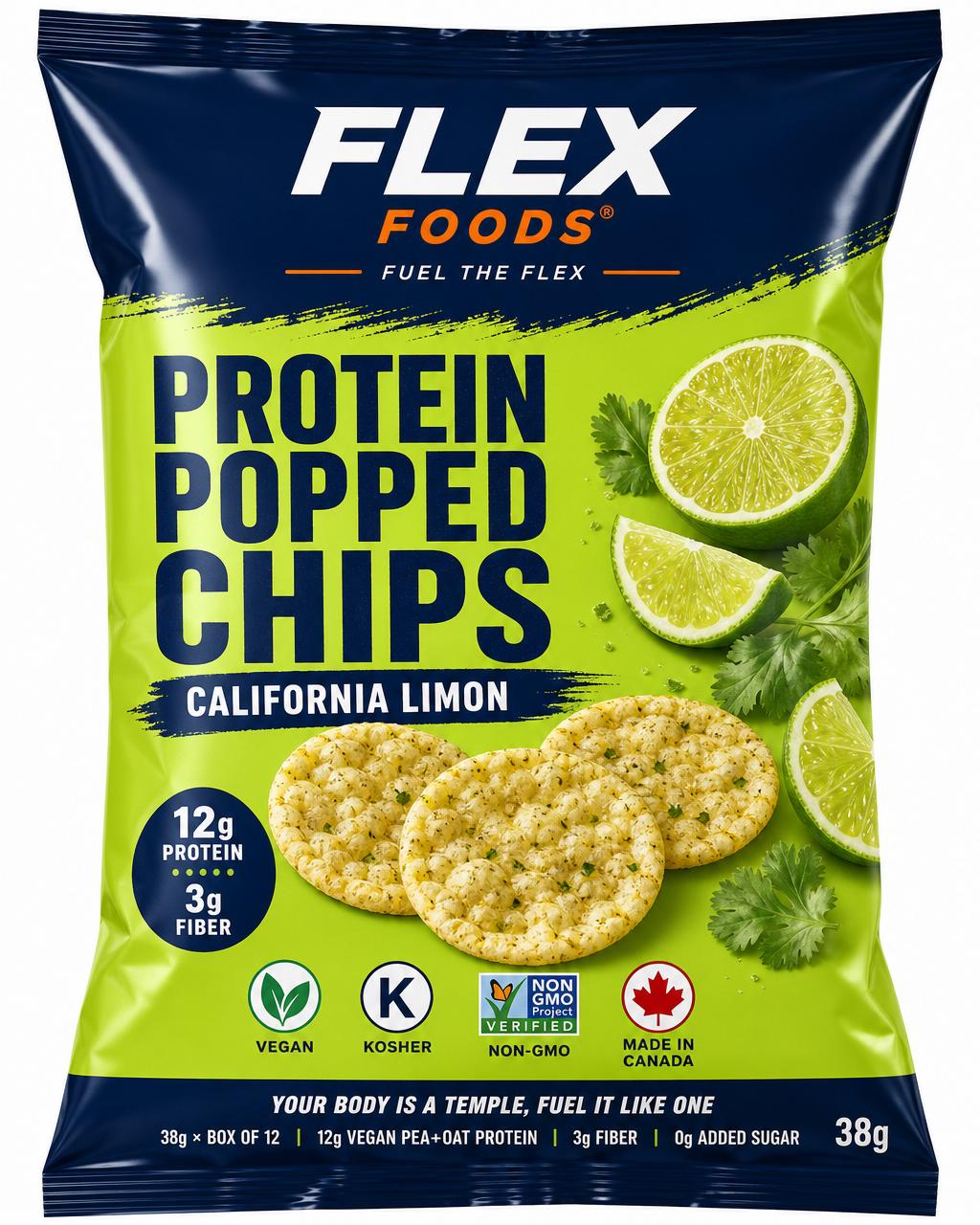
Looking at California Limón, Dill & Greek Yogurt, Garlic & Onion, Original Sea Salt, Salsa & Cream Cheese and Tikka Masala — plus Jalapeño Mango — they share two properties.
Each is built on acid, umami or aromatic complexity rather than sweetness. That's the no-sugar constraint selecting for a particular kind of flavour.
Each has a real-world referent. Not abstract "spicy" or "zesty" — a specific dish or condiment people already know. That gives the seasoning a target to be judged against, which is harder but produces something more convincing.