
Recipes & Swaps
Jalapeño Mango: The Case for Sweet Heat With No Added Sugar
Sweet heat is a category defined by sugar. Building it without any was the hardest thing we've formulated.
Sweet-and-spicy is one of the most commercially successful flavour directions in snacks, and it is almost entirely built on sugar. Mango chili, honey sriracha, sweet chili heat, hot honey — go through the ingredient panels and you'll find sugar, dextrose or maltodextrin high in the seasoning on nearly all of them.
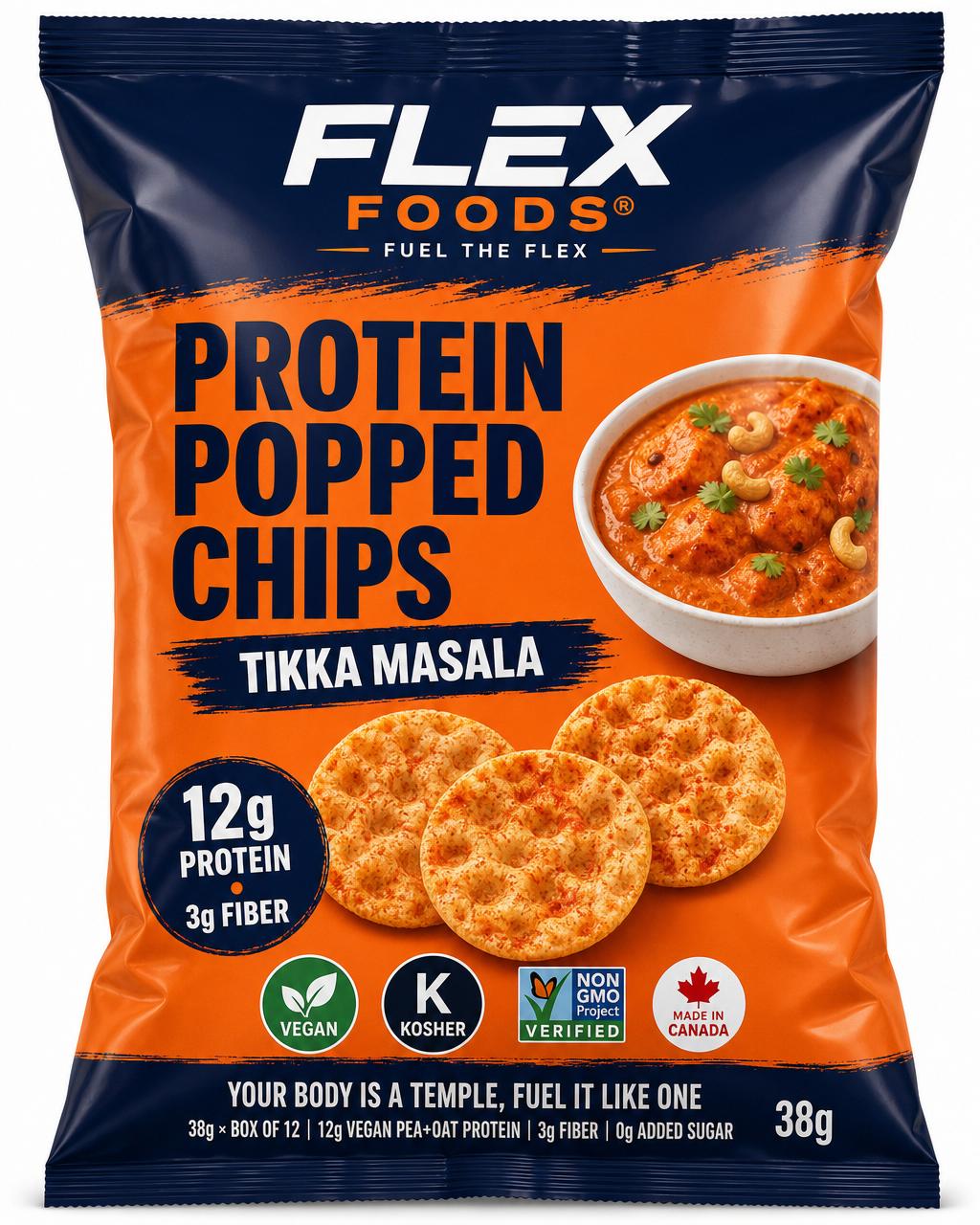
Jalapeño Mango has 0 g of added sugar, and getting there took longer than any other flavour in the line. It's available as a single bag on our product page — worth noting it isn't currently in the variety boxes.
Why sweet heat needs sugar
The pairing works on a specific perceptual mechanism, and sugar is load-bearing in it.
Capsaicin binds to TRPV1, a receptor that normally signals heat and abrasion. Your brain reads it as burning. Critically, that sensation accumulates — each bite adds to the last, because capsaicin lingers on the receptors rather than being cleared quickly.
Sweetness interrupts that accumulation. It's a competing, pleasant signal that gives your attention somewhere else to go, and there's reasonable evidence that sweet taste modulates perceived pungency. This is why hot honey works, why Thai sweet chili sauce works, and why mango and chili has been paired on street carts for a very long time.
Take the sugar out and the heat has nothing moderating it. It just builds. That was our first six prototypes: chips that were pleasant for four bites and punishing by ten.
What we used instead
Three substitutions, and the first one is the interesting part.
Aromatic sweetness rather than taste sweetness
Most of what people call taste is actually smell. Retronasal olfaction — aroma reaching the olfactory receptors from the back of the mouth while you chew — contributes far more to flavour perception than the tongue's five basic tastes do.
Mango's characteristic aroma comes from a family of ester and lactone compounds. Those compounds are perceived as sweet through smell, before the tongue is meaningfully involved. Which means you can produce a genuine sensation of sweetness without a sweet-tasting substance present.
This isn't a trick or a loophole. It's how flavour works, and it's why a ripe mango smells sweet from across a room. We leaned on the aromatic fraction hard.
Acid to interrupt the burn
The second lever. Acid triggers salivation, which physically clears the palate and dilutes capsaicin sitting on the receptors. It performs a similar interrupting function to sweetness through a completely different mechanism — this is the whole basis of chili-lime, which we cover in the chili-lime tradition.
Mango is naturally acidic, particularly when underripe — dried green mango is literally the souring agent amchur in Indian cooking. So the fruit provided both halves of what we needed.
Choosing jalapeño specifically
Chili selection turned out to matter more than expected. Jalapeño sits at roughly 2,500–8,000 on the Scoville scale — genuinely mild in chili terms, well below cayenne or habanero.
More importantly, jalapeño has a distinctly green, vegetal flavour alongside its heat, which habanero and cayenne don't. That vegetal note is a flavour contribution rather than just a pain signal, so it works with the mango rather than simply sitting on top of it.
A hotter chili would have needed more moderating, which we didn't have the tools for.
The flavour that didn't survive this approach
Worth being honest about the limits. We tried a maple-and-chili concept and abandoned it.
Maple's characteristic flavour compounds are literally products of sugar breakdown — the caramelisation and degradation of sucrose during boiling. Without sugar chemistry there's no maple, just a vague woody note. A honey-mustard concept failed for a related reason.
Fruit worked where syrup didn't, because fruit has an aromatic identity independent of its sugar content. That's the whole insight, and it's why the sweet-heat flavour in our line is a fruit and not a syrup.
What it tastes like, honestly
Brighter and sharper than a sweetened mango-chili snack. The mango reads as fresh fruit rather than candy, and the heat is present rather than buried.
Some people prefer the sweetened version, and that's a legitimate preference rather than a mistake. If your reference point is a sweet chili sauce, this will taste less indulgent than you expect. If your reference point is mango with chili powder from a street cart, it'll land closer.
The best pairing, and it's unexpected
Peanut butter thinned with lime, tamari and chili flakes. Two tablespoons of peanut butter loosened into a dip.
Nobody believes this until they try it, and then it's obvious: you've assembled a satay dressing. Lime, chili, peanut, salt and a fruit note is the structure of Thai and Indonesian peanut sauces, and mango belongs in that flavour family.
Eight grams of protein from the peanut butter brings the plate to 20 g. Around 340 calories.
Runners-up: guacamole, where the fat buffers the heat; and a plain plant yogurt dip with lime, which cools without adding a competing flavour.
Avoid: salsa and hummus. Salsa duplicates the acid-and-heat structure; tahini's bitterness doesn't resolve against fruit.
Nutrition, for completeness
Identical to the rest of the line: 150 calories, 12 g protein, 3 g fibre, 4 g fat, 200 mg sodium, 0 g added sugars per 38 g bag. The seasoning changes; the base doesn't.