
Training
Creatine in a Cut: Preserving Muscle in a Deficit
The scale will confuse you. What creatine does and doesn't protect while you're in a deficit.
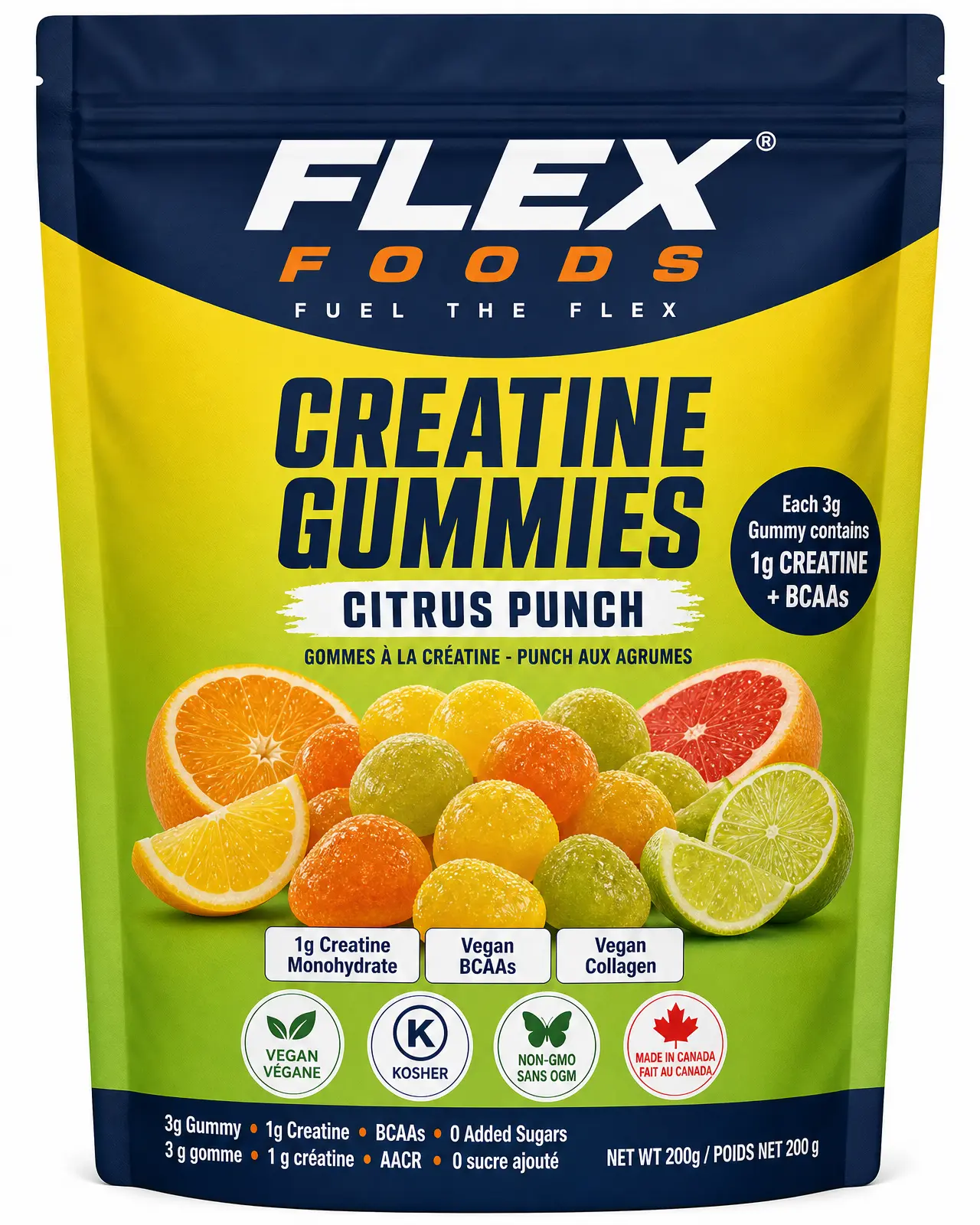
A framing note first. This post is about how creatine interacts with a period of intentional weight loss alongside training. It doesn't prescribe calorie targets or deficit sizes, and it assumes a moderate, time-limited approach.
If food or bodyweight is occupying a large share of your attention, or you find restriction difficult to stop, that's worth discussing with a doctor or registered dietitian rather than optimising further.
The scale problem
This is the practical issue and it derails more people than anything else here.
Starting creatine produces roughly 1–2 kg of intracellular water gain over the first few weeks. Starting a deficit at the same time produces fat loss over the same period.
The two roughly cancel on the scale.
So someone doing everything correctly can spend three or four weeks watching a number that doesn't move — and conclude the deficit isn't working. That's a well-timed way to abandon a programme that was succeeding.
Two ways to avoid it:
Stagger them. Start creatine four to six weeks before the deficit, let the water weight arrive and stabilise, then begin. Now the scale reflects fat loss.
Or track something else. Waist measurement, progress photos, strength at a given bodyweight, how clothes fit. All less noisy than daily weight during this specific period.
Detail on the water in creatine and water retention.
What creatine does help with in a deficit
Maintaining training performance. This is the real benefit. Training in a deficit is harder — glycogen availability is lower, recovery is slower, and output typically declines. Maintaining phosphocreatine stores helps preserve performance in exactly the short, hard efforts that resistance training depends on.
That matters because training intensity is one of the main determinants of whether you retain muscle while losing weight. Continuing to lift heavy signals that the tissue is needed. If a deficit forces your working weights down substantially, that signal weakens.
Creatine doesn't preserve muscle directly. It helps you keep doing the thing that preserves muscle.
What it doesn't do
Three clarifications.
It isn't a fat loss supplement. No mechanism, no evidence. It doesn't increase metabolic rate or fat oxidation.
It doesn't directly prevent muscle loss. The evidence for muscle retention in a deficit is indirect, operating through maintained training capacity rather than a direct anti-catabolic effect.
It doesn't reduce hunger. Three gummies is 45 calories and 9 g of sugar alcohols — not a satiety intervention.
What actually preserves muscle in a deficit
Ranked, because creatine is well down this list:
- Resistance training with maintained intensity. Keep the loads up; reduce volume before you reduce weight on the bar if something has to give.
- Adequate protein. Requirements go up in a deficit, not down. Commonly cited ranges for people training while restricting sit around 1.6–2.4 g per kilogram of bodyweight. Creatine contributes none — our panel declares 0 g protein.
- A moderate rather than aggressive deficit. Larger deficits accelerate lean mass loss, degrade training quality and are harder to sustain. Slower generally preserves more muscle.
- Adequate sleep. Poor sleep during a deficit is associated with a greater proportion of weight lost coming from lean tissue.
- Creatine. A modest supporting contribution.
Practical points during a cut
Keep taking it. Turnover continues, and stopping mid-deficit means losing saturation exactly when training performance is already under pressure.
Expect the scale to drop when you eventually stop. Coming off creatine after a cut sheds the 1–2 kg of water over four to six weeks. That's water, not fat, and reading it as additional fat loss will distort your assessment of the whole programme. See what happens when you stop.
Watch the calories, but proportionately. Three gummies is 45 calories. That's not a meaningful line item in a daily deficit, though it's worth counting the 11 g of carbohydrate if you track closely. See calories in a creatine gummy.
Weight-class athletes are a different case. Covered in creatine and weight classes.
The summary
Creatine helps you train hard while under-eating, which is how muscle gets retained. It won't help you lose fat, and it will make the scale less informative for a month.
General information about a natural health product, not medical advice.