
Seasonal
Summer Camp and Cottage Snacks That Don't Need a Fridge
Shelf-stable protein for a week off-grid, ranked by how well it survives a hot car and a cabin shelf.
A week at a cottage or a camp with limited refrigeration reliably becomes a week of crackers, chips and whatever's left in the cupboard from last August. Not through poor intentions — through the fact that almost every food people think of as a protein source needs a fridge.
Here's what doesn't.
The two constraints
Food safety. The danger zone is roughly 4–60 °C, where bacterial growth is fastest. A cabin shelf in July, a boat, or a car sitting in the sun all sit inside it. Anything perishable needs a cooler with ice or ice packs, replenished — and cooler temperatures should be checked, not assumed.
Quality degradation, which isn't the same thing. Heat accelerates fat oxidation, so nuts, seeds and oil-containing foods go rancid faster — a paint-like or cardboard note. Not a safety issue, a palatability one, and it's why the almonds from the spring trip taste wrong.
The foods that solve both have low water activity: dried, roasted, or aerated to the point where there isn't enough available water for microbial growth. That's what makes shelf stability possible without preservatives.
The shelf-stable protein list
| Food | Protein per serving | Heat tolerance |
|---|---|---|
| Tinned beans or lentils | 12–15 g per half tin | Excellent |
| Tinned fish | 17–22 g per tin | Excellent |
| Roasted edamame | 11–13 g / 30 g | Very good |
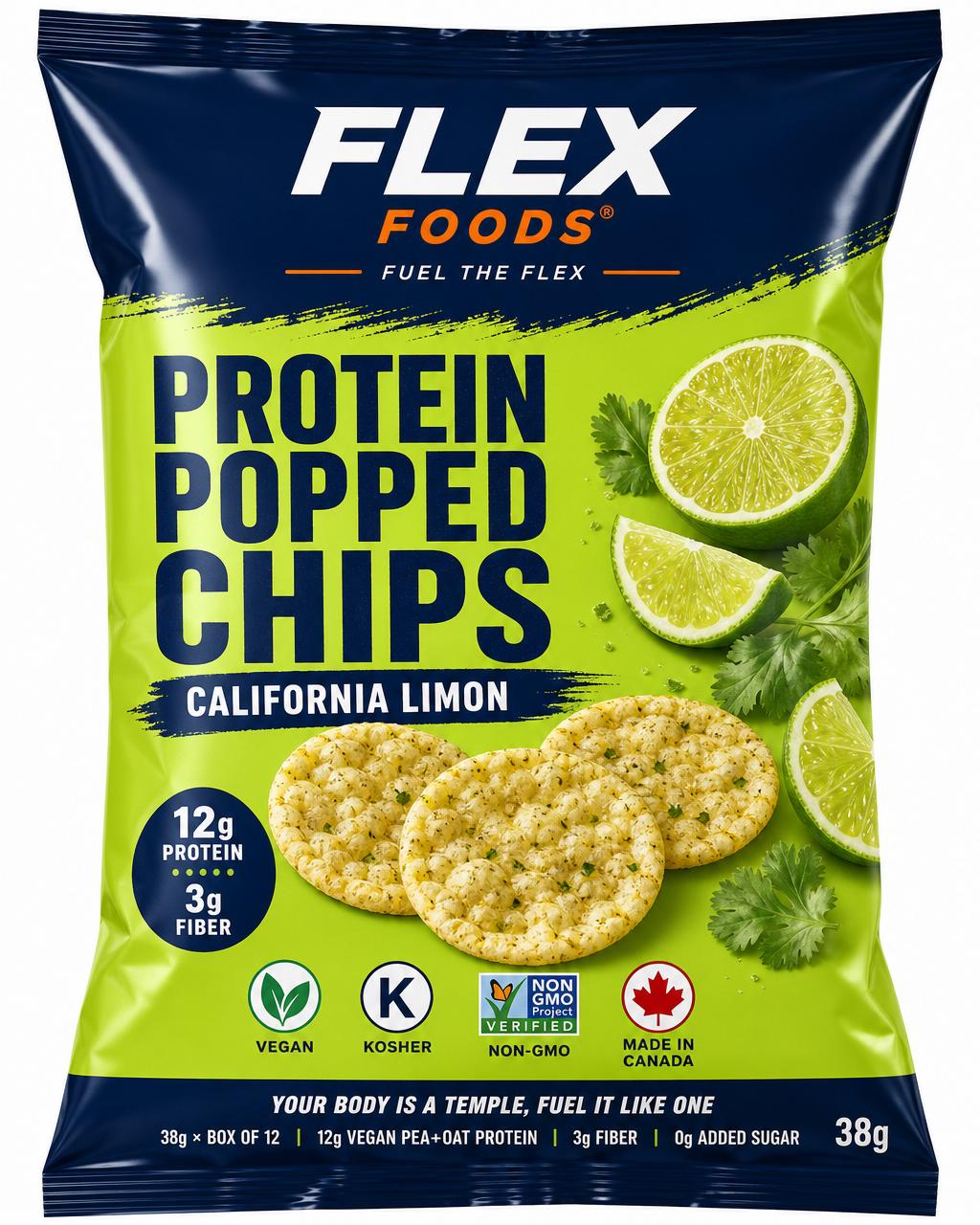
| Protein popped chips | 12 g / 38 g bag | Very good |
| Roasted chickpeas or fava | 7–8 g / 40 g | Excellent |
| Plant or beef jerky | 10–12 g / 30 g | Excellent |
| Peanut butter | 8 g / 2 tbsp | Good, oil separates |
| Nuts and seeds | 6–9 g / 30 g | Good, but oxidise |
| Protein powder | 20–25 g / scoop | Excellent, needs water |
| Shelf-stable tofu | 10–14 g / 100 g | Good unopened |
| UHT soy milk | 7 g per cup | Good unopened |
Two underrated entries. Tinned beans are the cheapest protein on the list by a wide margin, need no refrigeration until opened, and turn into a meal with a tin opener. UHT soy milk in cartons means cereal, oats and coffee work all week without a fridge.
Building a week of meals without refrigeration
Breakfast
Oats with UHT soy milk, peanut butter, and dried fruit. Around 20 g of protein, no cooking if you soak it overnight. This one item solves seven breakfasts.
Lunch
Tinned beans or fish with crackers, tortillas or bread, plus whatever vegetables survive — cucumber, peppers, carrots and cabbage all keep several days at room temperature. A bean and tinned-tomato mash with lime is genuinely good and costs almost nothing.
Dinner
Where a stove or fire helps. Lentils, rice, pasta, tinned tomatoes, shelf-stable tofu. Dried lentils cook in twenty minutes and need no soaking.
Snacks
This is where a sealed single-serve item earns its place. A 38 g bag of Protein Popped Chips is 150 calories, 12 g of protein, 3 g of fibre, and sealed against humidity — which matters more at a lakeside cabin than most people expect. Store the case somewhere cool and dark rather than on a sunny shelf; heat won't spoil them but it dulls the seasoning over weeks.
Sending a child to camp
Different problem. Most overnight camps provide all food and many restrict what campers can bring — partly for allergen management, partly because food in cabins attracts wildlife, which in most of Canada is a serious rather than theoretical concern.
So: read the camp's policy first, don't send anything that isn't permitted, and if your child has dietary requirements, talk to the camp directly well in advance rather than packing around the problem.
Where snacks are allowed, sealed single-serve items are usually the format camps prefer — no sharing from open bags, no allergen cross-contact, no attracting animals into a cabin. Our guide to allergen labelling covers what to check.
The cooler, used properly
If you have one, four things extend what it can do:
- Pre-chill it. A cooler that starts at room temperature spends its first hours cooling itself rather than the food.
- Block ice over cubes. Less surface area, melts much slower.
- Two coolers if possible. One for drinks, opened constantly; one for food, opened rarely. Every opening costs cold.
- Keep it out of the sun and off hot ground. Under the cabin, in shade, on wood rather than a dock.
What to leave at home
Anything with mayonnaise, cooked rice held warm, cut fruit for more than a few hours unrefrigerated, pre-mixed protein shakes, and chocolate on any July route.
For the driving portion, see road-trip snacking across Canada.