Fuel Science
Protein Isolate vs Protein Concentrate: What's in Your Snack
Two words on an ingredient list that predict protein density, texture, cost and how your stomach feels afterward.
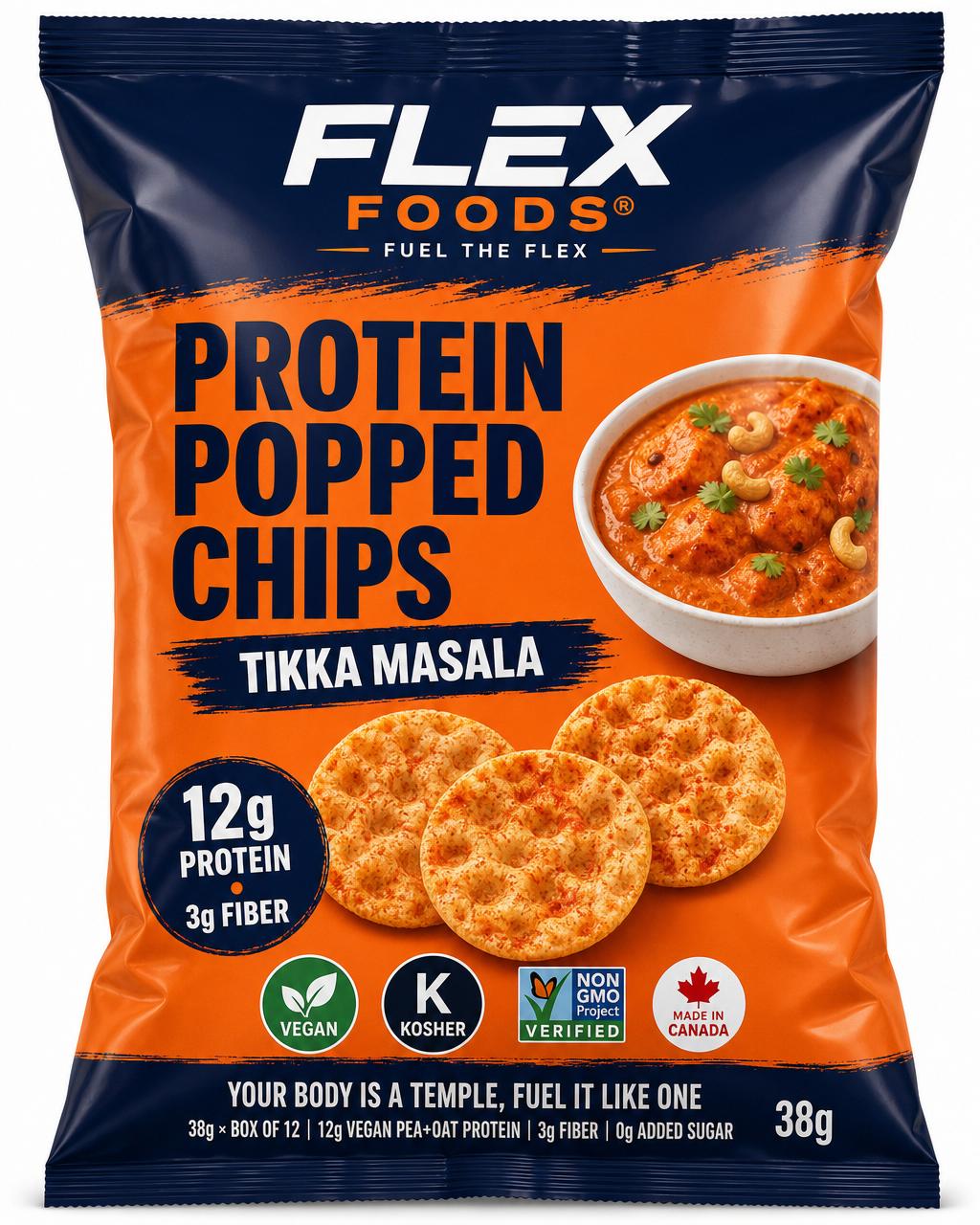
If you only learn to read one thing on a protein product's ingredient list, make it this distinction. Isolate and concentrate are not interchangeable, and the difference explains a surprising amount about how a product tastes, how much protein it can carry, and whether it makes you gassy.
The basic split
Both start from the same place — a legume or grain — and both are the result of removing things that aren't protein. The difference is how far the removal goes.
- Concentrate — typically 50–80% protein by weight. Retains a meaningful share of the source's carbohydrate, fibre, fat and minor compounds.
- Isolate — typically 85–90%+ for soy and whey; pea protein isolate usually lands around 80–85%. Most non-protein material is stripped out.
- Hydrolysate — an isolate that's been enzymatically broken into shorter peptide chains for faster absorption. Common in medical and sports nutrition, rare in snacks, and notably bitter.
How each one is made
The processing route is what produces all the downstream differences.
Concentrate is usually made by dry processing. The seed is milled and then air-classified — a stream of air separates lighter protein-rich particles from heavier starch particles by density. It's mechanically simple, uses no solvents and no water, and it's cheaper. It also can't get you past roughly 60% protein for pea, because starch and protein particles aren't cleanly separable by density alone.
Isolate requires wet processing. The flour is dispersed in water, the pH is shifted to solubilise protein while leaving starch and fibre behind, the solids are separated out, and then the pH is moved to the protein's isoelectric point — the pH at which it's least soluble — so it precipitates out and can be collected, washed and dried.
More steps, more water, more energy, higher cost. Also a much purer product.
Why it matters in a snack, not just a shake
In a powder, isolate versus concentrate mostly affects protein per scoop and flavour. In a solid food it's more consequential, because you have a fixed weight budget.
Our bags are 38 g and we wanted 12 g of protein. Run the arithmetic:
| Ingredient | Protein content | Grams needed for 12 g |
|---|---|---|
| Pea protein isolate | ~82% | ~15 g |
| Pea protein concentrate | ~55% | ~22 g |
| Pea flour | ~22% | ~55 g |
With isolate, protein takes about 15 g of a 38 g bag and leaves room for the brown rice that makes the chip structurally possible, plus oil and seasoning. With concentrate, protein takes 22 g and the structural budget gets tight. With pea flour it's arithmetically impossible — you'd need more than the bag holds.
This is why almost every genuinely high-protein snack uses isolate. It isn't a preference; it's the only option that fits.
The digestion angle
Here's the practical difference most people actually notice.
Legumes contain oligosaccharides — raffinose, stachyose, verbascose — which humans lack the enzyme to digest. They pass to the colon intact, where bacteria ferment them and produce gas. This is the entire mechanism behind beans' reputation.
Those oligosaccharides are water-soluble. Wet-processing an isolate washes most of them out. Dry-processed concentrate keeps them.
So a pea protein concentrate snack is meaningfully more likely to cause bloating and gas than a pea protein isolate snack, even at the same protein level. If you've had a bad experience with a plant-protein product, check which one it used — it's a common and easily missed explanation.
Worth noting the flip side honestly: those same oligosaccharides are prebiotic, feeding beneficial gut bacteria. Removing them is a comfort-for-function trade, not a pure upgrade. We take the comfort side for a snack, since a chip that makes you uncomfortable is a chip you won't eat twice.
Flavour and texture
Flavour. The characteristic "beany" or "green" note in plant protein comes largely from the non-protein fraction — lipid oxidation products and saponins. Isolation removes much of it. Concentrate tastes more of its source, which is fine in a savoury application and awkward in a sweet one.
Texture. Isolate is more consistent, which matters for a popped chip. The structure depends on precise moisture and protein-to-starch ratios, and variable inputs give variable results. Concentrate's residual fibre and starch also interfere with the aerated matrix we need — more on that in what popping does to a chip.
When concentrate is the better choice
It genuinely often is. Not for us, but the case is real.
- Whole-food-forward products where the fibre and micronutrients are a feature, not an obstacle
- Cost-sensitive formulations — concentrate is substantially cheaper per unit weight
- Lower environmental footprint — dry processing uses far less water and energy than wet extraction
- Products wanting prebiotic content from those retained oligosaccharides
If a product's goal is 7 g of protein with 6 g of fibre from a whole legume, concentrate is the right ingredient and isolate would be over-engineering. Roasted chickpeas beat any isolate-based snack on fibre and cost.
What to look for on a label
Read the specific word. "Pea protein" without a qualifier is ambiguous and usually means concentrate. "Pea protein isolate" is explicit. "Pea flour" or "chickpea flour" is a flour — a base ingredient at roughly 20% protein, not a protein source.
Then check position in the list. Canadian ingredient lists run in descending order by weight, so a protein ingredient sitting fourth after two starches is a garnish regardless of what type it is. Our full walkthrough is in how to read a vegan protein chip label.