Training
Post-Workout Snacking When You Don't Want a Shake
Shaker fatigue is real. What solid food does differently after a session, and what it doesn't.
A lot of people quit their post-workout protein habit not because they stopped caring but because they got sick of drinking it. Twelve months of the same chalky vanilla and the shaker starts living in the sink.
That matters more than it sounds. A habit you abandon delivers nothing, so the question of what you'll actually keep doing is a nutrition variable, not a lifestyle preference.
First: the window is wider than you were told
The "anabolic window" framing — get protein in within thirty minutes or the session is wasted — has been substantially walked back.
Muscle protein synthesis remains elevated for roughly 24 hours after a resistance training session, with the largest response in the first several hours. And if you ate a protein-containing meal in the few hours before training, amino acids are still circulating during and after it, which further softens any urgency.
What the research consistently shows matters most is total daily protein intake, followed by distribution across the day. Precise timing around a session is a tiebreaker, not the main event. Our post on protein timing goes through the evidence.
So the honest answer to "do I need a shake immediately?" is usually no. What you need is to hit your daily number, and to not be so hungry two hours later that dinner becomes a disaster.
What a shake is genuinely better at
Three things, and they're real.
Dose per unit of effort. One scoop is 25 g of protein in ninety seconds. Getting 25 g from solid food takes more chewing, more volume and usually more planning.
Absorption speed. Liquid empties from the stomach faster than solid food, and whey is unusually soluble. If you're training twice in one day with a short gap, that speed has some practical value.
Appetite when you don't have one. Hard training suppresses appetite for a while afterward. Drinking calories is easier than eating them when you genuinely don't want food.
What solid food is better at
Satiety. This is the big one. Liquid calories are markedly less satiating than the same calories in solid form, and drinking 250 calories often does very little to reduce how much you eat at the next meal. If you're managing intake, that's a problem; if you're trying to gain, it's a feature.
Sustainability. Solid food doesn't fatigue the same way. Savoury and varied beats sweet and identical over a year.
Micronutrients and fibre. Isolates are stripped of nearly everything that isn't protein. Whole and minimally processed foods aren't.
Solid-food combinations that hit 25 g
Roughly what most research points to as a per-sitting dose for maximally stimulating muscle protein synthesis in a younger adult. Older adults likely need more — see protein for over-40 athletes.
No preparation
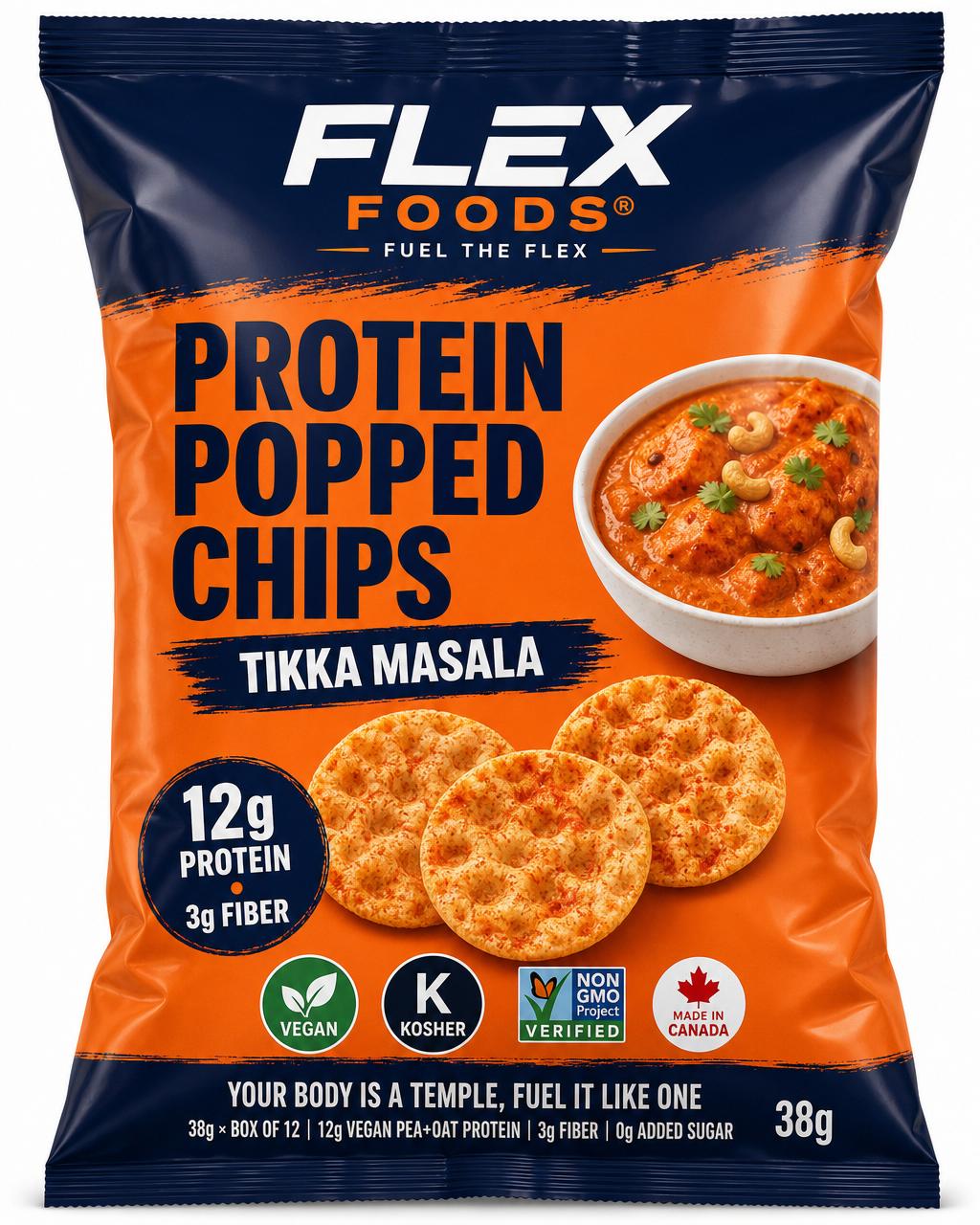
- Bag of protein chips + half a tin of black beans — 24 g, ~325 cal. One minute. A 38 g bag of Protein Popped Chips is 12 g of that.
- Roasted edamame (60 g) + a piece of fruit — 22 g, ~280 cal. Best protein density of any grab-and-go plant option.
- Plant Greek-style yogurt (200 g) + pumpkin seeds — 21 g. Only works with soy or pea-based yogurt; coconut versions carry 1–2 g.
- Two slices of wholegrain toast + hummus + a bag of chips — 24 g, and includes carbohydrate for glycogen replacement.
Five minutes
- Tofu scramble on toast — 200 g firm tofu is 32 g on its own
- Lentil soup + protein chips on the side — 25–30 g, and the carbohydrate matters after hard sessions
- Bean and rice bowl with a chip crumb topping — 28 g, and it uses the bottom of the bag. See using the crumb.
Don't forget the carbohydrate
Post-workout conversation fixates on protein and skips the other half.
Resistance training and especially endurance work deplete muscle glycogen, and replacing it is what determines whether tomorrow's session feels good. Glycogen resynthesis is fastest in the first few hours afterward. If you train once a day with 20+ hours before the next session, this resolves itself through normal meals. If you're training twice a day or on consecutive hard days, it's worth being deliberate.
Practically: pair the protein with actual carbohydrate. Fruit, rice, potatoes, bread, oats. A protein-only post-workout snack is half a strategy.
The realistic recommendation
Use the snack as a bridge, not as the meal.
A 12–25 g protein snack within an hour of finishing does two useful things: it starts the recovery process and, more importantly, it stops you arriving at dinner ravenous. The actual protein bulk comes from your meals, where it's cheaper, more satisfying and more nutritionally complete.
Then check your daily total. If it lands, the timing question mostly stops mattering. Our guide to finding your number covers that, and five post-workout combos has more options.