
Seasonal
Patio Season: Snacking Around Longer Evenings
Late sunsets shift dinner two hours later. Bridging that gap without arriving starving.
A Canadian summer evening does something specific to eating patterns. In December it's dark at 4:30 and dinner happens at six. In June the sun is up past nine, nobody wants to be inside cooking, and dinner drifts to eight or later.
That's a two-hour gap that didn't exist in winter, and it's where summer eating goes wrong — not through patio food, but through arriving at it ravenous.
What the shift actually does
The afternoon-to-dinner gap gets longer. Lunch at 12:30 and dinner at 8:30 is eight hours. That's a long time without food, and the last two hours of it are where decision quality collapses.
Dinner gets closer to bedtime. Eating a large meal late is associated with worse sleep quality and more reflux, and there's reasonable evidence that late-evening eating produces a larger glucose response than the same meal earlier — glucose tolerance follows a daily rhythm and declines toward night.
Alcohol enters the picture more often. Patio season and drinking are correlated. Alcohol lowers inhibition around food, adds calories that don't register as food, and disrupts sleep architecture even at moderate doses.
None of that is an argument against summer evenings. It's an argument for bridging the gap deliberately.
The bridge snack
The whole intervention is one snack between about 4:30 and 6, and it does two things.
It stops you arriving at dinner in the state where the bread basket disappears before you've read the menu. And a protein-containing preload reliably reduces intake at the following meal — sometimes by more than the snack contained, which is the mechanism covered in the satiety math.
What it needs to be: enough protein to matter, enough fibre to last, and small enough not to displace an appetite for the actual meal. Roughly 150–250 calories with 10 g or more of protein.
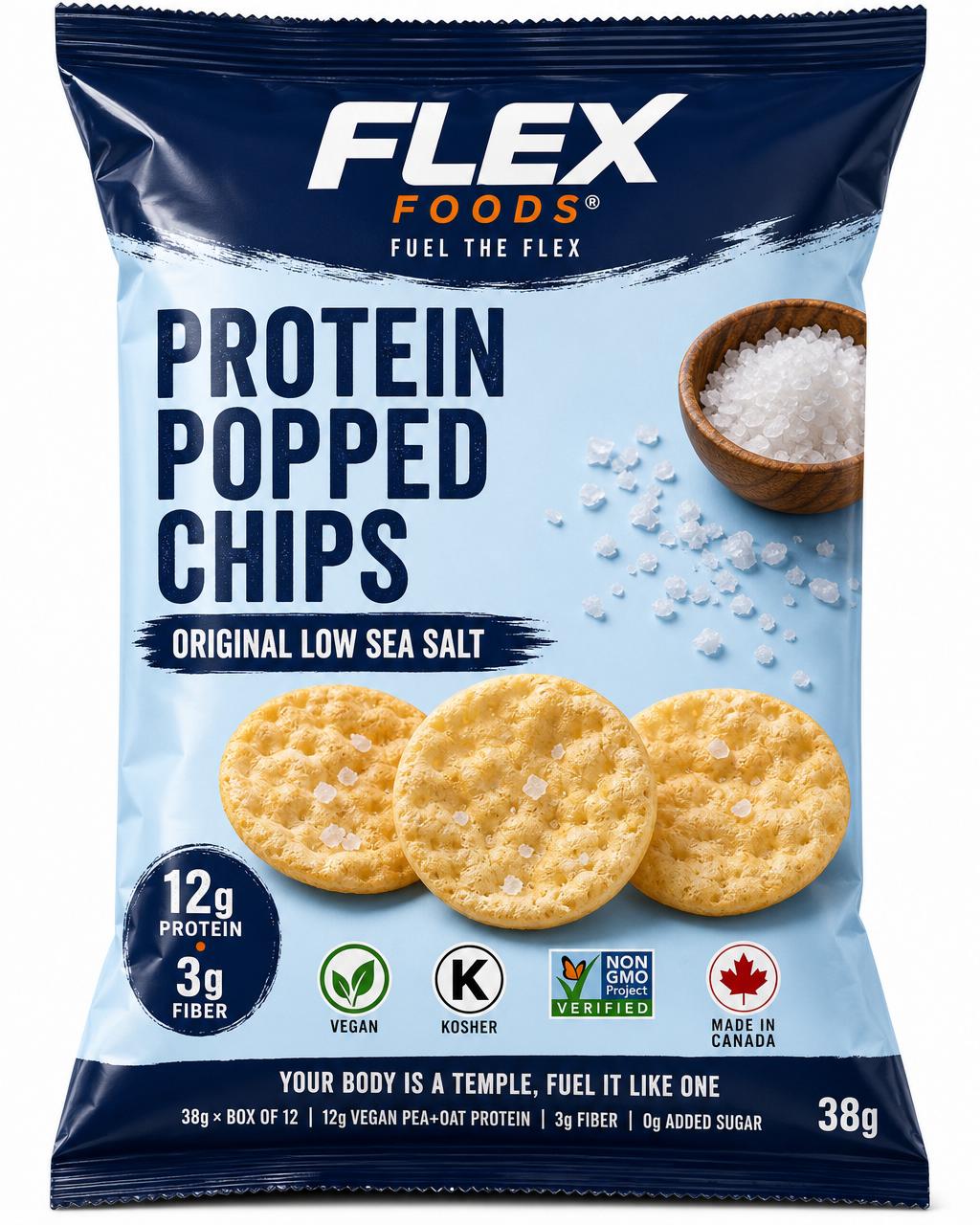
A 38 g bag of Protein Popped Chips is 150 calories, 12 g of protein, 3 g of fibre, no added sugar. Other options that work: a soy yogurt, a handful of roasted edamame, hummus with vegetables, a piece of fruit with nuts.
What doesn't work: anything largely sugar. It produces a glucose rise and dip that leaves you hungrier at 7:30 than if you'd eaten nothing.
Summer's other complication: heat
Three things worth knowing.
Heat suppresses appetite. Genuinely — appetite reliably drops in hot conditions, which means people under-eat during the day and then over-eat in the cooler evening. If your appetite has vanished at 1pm in July, that's normal, and eating something anyway prevents the 8pm version of the problem.
Fluid needs rise substantially. Sweat losses in heat are much higher than most people account for, and mild dehydration is routinely misread as hunger. A glass of water before deciding you're hungry is a legitimately useful habit.
Food safety changes. The danger zone is roughly 4–60 °C, and a picnic bag or a car at 35 °C sits well inside it. Anything with dairy, meat, cooked rice or cut fruit needs a cooler and ice, not optimism. Shelf-stable snacks are the low-risk category by default.
Patio food, without a strategy attached
Not going to write a "healthy patio ordering guide," because that's mostly a way to make a nice evening into a task.
Two things that are actually useful:
Order something with protein in it. Not for calorie reasons — because a plate of fries and a beer leaves you hungry at eleven, and protein doesn't. This is a satisfaction argument, not a discipline one.
Alternate alcoholic drinks with water. Helps with hydration in heat, slows the pace, and makes tomorrow morning better. Mostly this is just a reasonable thing to do.
The cottage and camping version
Same problem with fewer facilities. If there's no fridge, the shelf-stable protein options are roasted legumes, plant jerky, nuts, nut butter, tinned fish or beans, and sealed protein snacks.
The main hazard is that a weekend with no fridge and no plan becomes three days of chips, crackers and beer, which is fine as an occasion and less fine as a pattern across a whole July. Detail in cottage snacks that don't need a fridge.
The one-line version
Eat something with protein in it between 4:30 and 6. Drink more water than feels necessary. Then have the dinner you were going to have, at whatever hour the sun decides.
Summer evenings are among the better things about living here. They don't need optimising.