
Nutrition 101
How Much Protein Is 'High Protein' in Canada? The Legal Answer
Canada regulates protein claims differently from almost everywhere else. It's why some genuinely high-protein products can't say so.
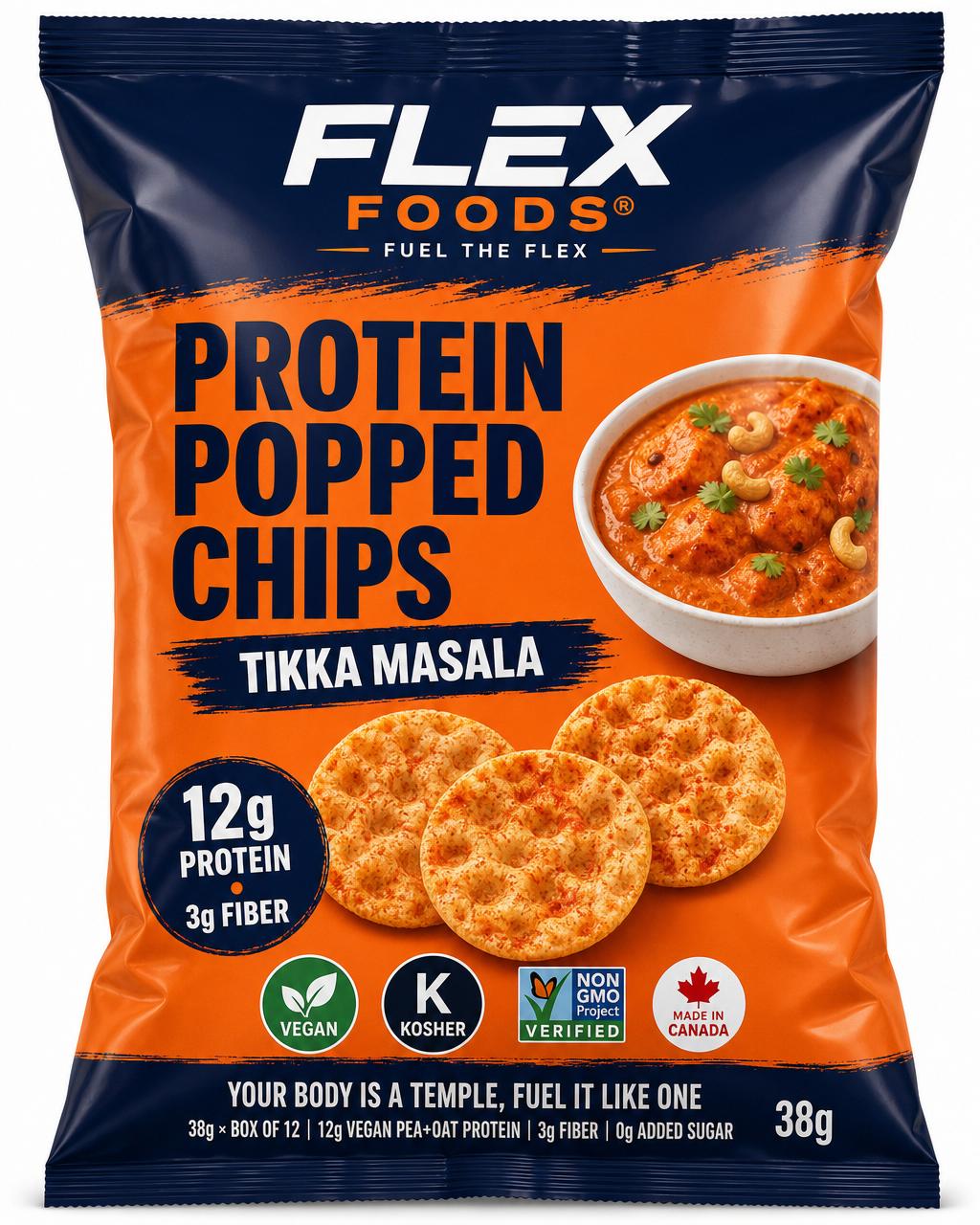
Here's something that surprises people who work in food: a product can contain 12 grams of protein per serving and be legally barred from calling itself high in protein in Canada.
The reason is that Canada regulates protein claims on quality as well as quantity, using a system almost nobody else uses. It's worth understanding, because once you know it, several patterns on the shelf suddenly make sense.
The Protein Rating system
Most countries base protein claims on grams, or on protein as a percentage of total energy. Canada uses a Protein Rating, calculated as:
Protein Rating = Protein Efficiency Ratio × grams of protein in a reasonable daily intake
Two inputs, and the first one is unusual.
The Protein Efficiency Ratio is a quality measure derived from a rat feeding assay — weight gain per gram of protein consumed in growing rats. It dates to the 1950s. Casein is the reference standard at a PER of about 2.5.
The reasonable daily intake is a defined quantity of the food, category by category.
Multiply them and compare against thresholds:
- Protein Rating of 20 or more — "source of protein"
- Protein Rating of 40 or more — "excellent source of protein," "high in protein," "rich in protein"
Why this disadvantages plant proteins
PER penalises plant proteins twice over.
First, it's a growth assay in rats, and rats have higher sulfur amino acid requirements than humans do. Legume proteins are relatively low in methionine — so they score worse in rats than their value to a human adult would suggest.
Second, PER is a cruder measure than what nutrition science now uses. PDCAAS, and more recently DIAAS, correct for actual amino acid requirements and true ileal digestibility. Both are better science. Neither is what Canadian protein claims are based on.
The practical result: a plant-protein product that would qualify as high protein under a gram-based rule, or under a DIAAS-corrected rule, may not clear a Protein Rating of 40. Its protein is genuinely useful; the assay just doesn't reward it.
This is a live criticism of the framework, not a fringe complaint — the reliance on a rat bioassay for human protein claims has been questioned for years.
What we say on our bag, and why
Look at our packaging and you'll see "12g Protein" and "12g Vegan Pea+Oat Protein." You won't see "high in protein."
That's deliberate. Declaring a quantity is a statement of fact and always permitted. "High in protein" is a regulated content claim with a specific threshold, and we're not going to use the phrase unless the rating clears it for the product as sold.
The pea-and-oat pairing does improve the amino acid picture considerably — pea's methionine gap is filled by oat, and oat's lysine gap by pea, as we work through in the pea-plus-oat amino acid story. That's a real quality improvement. Whether it clears a specific regulatory threshold is a separate technical question, determined by testing on the finished product, and it isn't something to claim casually in a blog post.
If you want the current regulatory status for a specific lot, email hello@flexfoods.ca. That's a more useful answer than a confident sentence here.
What to actually use instead of the claim
Since the claim is a poor signal in Canada, use the numbers directly.
Protein per 100 calories. Grams of protein divided by calories, times 100. Normalises across serving sizes, which claims and per-serving figures don't.
- Under 4 g — a carbohydrate or fat snack containing some protein
- 4–6 g — moderate protein contribution
- Over 6 g — protein is genuinely the point
Reference points: fried potato chips score about 0.9. Popcorn around 3. Greek yogurt about 10. Our chips come to 8.0 (12 ÷ 150 × 100).
Then check the source. One plant protein or two? Isolate or concentrate? First in the ingredient list or fourth? Those three questions tell you more about protein quality than any front-of-package phrase. Full walkthrough in the Canadian high-protein chips buyer's guide.
Related claims worth knowing
| Claim | What it requires in Canada |
|---|---|
| Source of protein | Protein Rating ≥ 20 |
| Excellent source / high in protein | Protein Rating ≥ 40 |
| "Contains X g protein" | Accurate quantity; not a content claim |
| Source of fibre | ≥ 2 g per reference amount and serving |
| High source of fibre | ≥ 4 g per reference amount and serving |
| Low in sodium | ≤ 140 mg per reference amount and serving |
The general lesson: in Canada, a specific number is more informative than a superlative. Brands that give you grams are handing you something you can compare. Brands leaning on adjectives usually have a reason.