Fuel Science
Does Collagen Supplementation Do Anything?
Skin, joints and tendons assessed separately, because the evidence quality differs a lot between them.
Collagen supplementation has a real research literature, unusually heavy industry funding, and effects that vary by outcome. Lumping them together produces a misleading answer in either direction.
The obvious objection, and why it isn't decisive
The intuitive criticism: you digest collagen into amino acids like any protein, so eating it can't deliver collagen anywhere.
Largely correct, and there's a genuine counterargument worth knowing.
Collagen digestion produces some di- and tripeptides that survive intact and appear in the bloodstream — notably prolyl-hydroxyproline and hydroxyprolyl-glycine. Hydroxyproline is unusual, appearing almost exclusively in collagen.
The hypothesis is that these peptides act as signals rather than as building blocks — that circulating collagen fragments indicate tissue turnover and may stimulate fibroblast activity.
Plausible, partially supported, not established. But it means "it's just amino acids" is too quick.
Skin: the strongest evidence, and the most conflicted
Multiple randomised controlled trials and several meta-analyses have reported improvements in skin hydration and elasticity with hydrolysed collagen peptides, typically at 2.5–10 g daily over 8–12 weeks.
The effect sizes are modest but the direction is reasonably consistent, which is more than most cosmetic supplement claims manage.
The serious caveat: this literature is heavily industry-funded. A large share of trials are sponsored by collagen ingredient manufacturers. That doesn't make results wrong, and industry funding is associated with more favourable outcomes across nutrition research generally. Weight it accordingly.
Also note many trials use proprietary peptide preparations, so results may not generalise across products.
Joints: moderate and mixed
Two different things get called collagen for joints, with different mechanisms.
Hydrolysed collagen peptides at doses around 10 g daily. Some trials report reduced activity-related joint pain in athletes and in people with osteoarthritis. Findings are mixed and effect sizes modest.
Undenatured type II collagen (UC-II), used at much smaller doses — around 40 mg. The proposed mechanism is entirely different: oral tolerance, where small amounts of intact collagen presented to gut-associated immune tissue modulate the immune response to joint collagen.
Interesting mechanism, smaller literature, some positive trials. Don't conflate the two — a 40 mg product and a 10 g product are not the same intervention.
Tendon and ligament: interesting and early
The most intriguing thread.
Work by Shaw and colleagues found gelatin supplementation with vitamin C, taken before short bouts of exercise, increased markers of collagen synthesis. The protocol matters — the timing relative to loading is part of the proposed mechanism, since blood flow to tendon increases with activity.
Small studies, surrogate markers rather than clinical outcomes, limited replication. Genuinely interesting, not yet actionable.
Hair and nails
Weakest of the commonly marketed outcomes. A small number of trials, small samples, mostly industry-connected. Not much to go on.
The nutritional caveat
Worth restating because it gets lost.
Collagen is an incomplete protein — it lacks tryptophan and is low in several essential amino acids. Nutritionally it's poor quality.
So 10 g of collagen peptides should not be counted toward a protein target the way 10 g of whey would. If you're substituting collagen for complete protein, you're downgrading your intake. See collagen: what it is and isn't.
The honest summary
| Outcome | Evidence |
|---|---|
| Skin hydration and elasticity | Moderate, heavily industry-funded |
| Joint pain (peptides) | Mixed, modest |
| Joint (UC-II) | Different mechanism, smaller literature |
| Tendon synthesis markers | Early, interesting |
| Hair and nails | Weak |
| As a protein source | Poor quality |
Better evidenced than most beauty supplements. Considerably less well evidenced than creatine or protein, where the literature is larger, older and far less commercially entangled.
About this blog
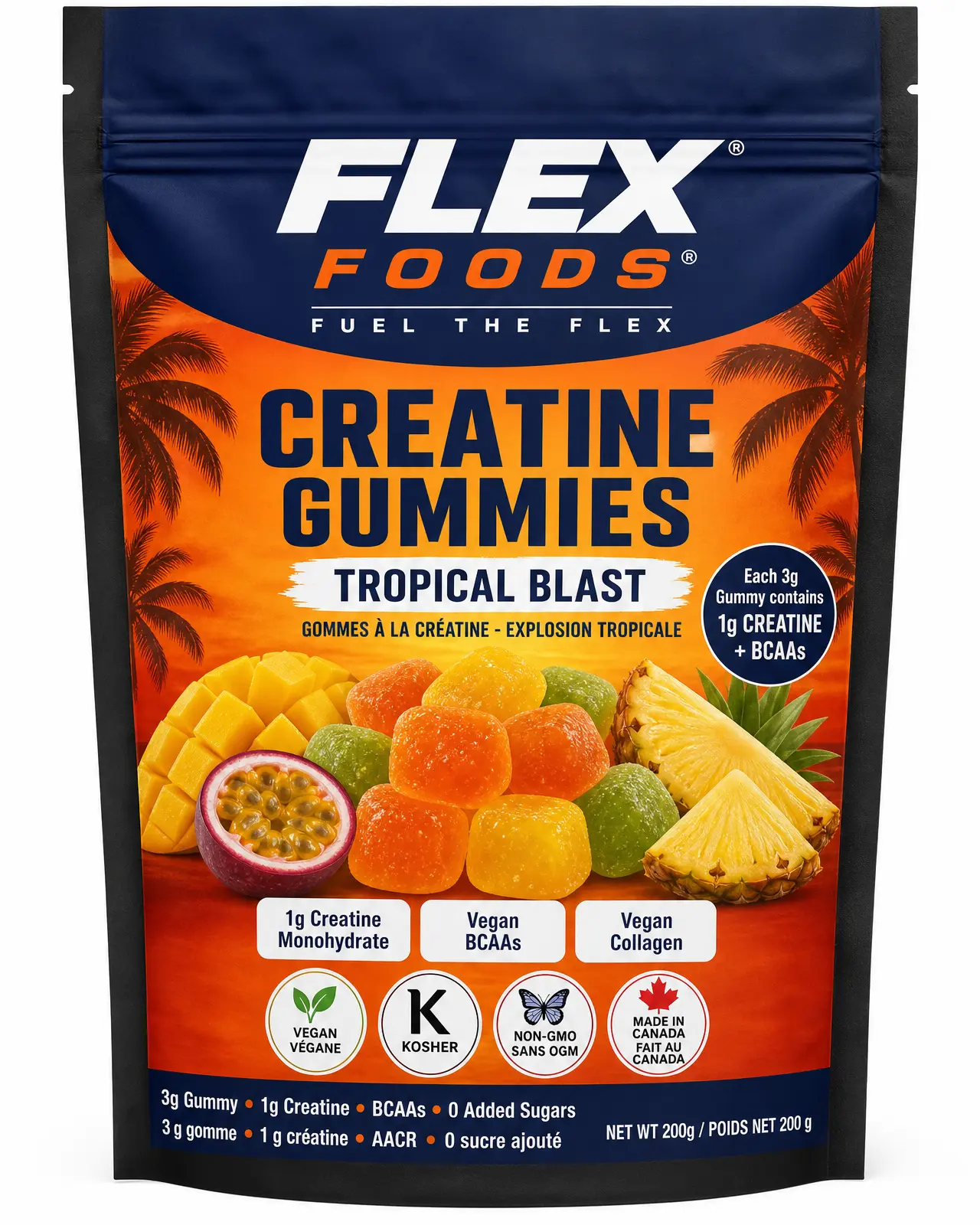
Our medicinal ingredient is creatine monohydrate, 1 g per gummy, and our nutrition panel declares 0 g protein.
This post exists because collagen is heavily marketed and people ask. If you're evaluating a collagen product, the checks in vegan collagen explained will tell you whether it contains any.
General information about a natural health product, not medical advice.