
Fuel Science
Digestive Comfort: Why Pea Protein Suits Sensitive Stomachs
Lactose, whey and FODMAPs — the three usual reasons a protein product causes bloating, and how each is avoided.
A protein product that makes you uncomfortable is a protein product you'll stop using, which makes digestive tolerance a nutrition variable rather than a comfort preference.
Three distinct mechanisms cause most protein-related gastrointestinal complaints, and they're often confused with each other. Knowing which one applies to you determines what to switch to.
Mechanism one: lactose
The most common by a wide margin.
Lactose is the sugar in milk, digested by the enzyme lactase. Most humans stop producing much lactase after weaning — lactase non-persistence is the global default, not the exception. Prevalence estimates exceed 65% worldwide, and run considerably higher among people of East Asian, West African, Indigenous American and Southeast Asian descent, and lower in populations of Northern European descent.
Undigested lactose reaches the colon, where bacteria ferment it, producing gas, bloating, cramping and often diarrhoea.
Where it shows up in protein products: whey concentrate retains meaningful lactose. Whey isolate has most of it removed and is often tolerable for people who react to milk. Casein and milk protein blends vary.
Importantly, lactose intolerance is not a milk allergy. Intolerance is an enzyme deficiency causing digestive symptoms; milk allergy is an immune response that can be severe. Different problems with different stakes.
Mechanism two: whey protein itself
Separate from lactose, and less well characterised.
Some people report bloating and discomfort from whey isolate despite negligible lactose. Proposed explanations include the rapid gastric emptying and osmotic load of a large soluble protein dose, sensitivity to residual milk proteins, and effects on gut motility.
The evidence here is thinner than for lactose, and some of it is likely dose-related rather than protein-specific — 40 g of anything absorbed quickly is a meaningful load. But the reports are consistent enough to take seriously.
Mechanism three: FODMAPs in legumes
This is the one relevant to plant protein, and the one most often misattributed.
Legumes contain galacto-oligosaccharides — raffinose, stachyose, verbascose. Humans lack the enzyme alpha-galactosidase needed to digest them, so they pass intact to the colon and get fermented. This is the entire mechanism behind beans' reputation.
GOS are FODMAPs — fermentable oligosaccharides, disaccharides, monosaccharides and polyols — the family of carbohydrates implicated in symptoms for many people with irritable bowel syndrome.
Here's the useful part: GOS are water-soluble.
Why isolate changes the picture
Pea protein isolate is made by wet processing — the flour is dispersed in water, pH is shifted to solubilise protein, and the protein is precipitated out and washed. That process removes most of the water-soluble oligosaccharides along with the fibre and starch.
Pea protein concentrate, by contrast, is usually dry-processed through air classification, which separates protein from starch by particle density and retains the oligosaccharides.
So two pea protein products with the same protein content can behave quite differently in your gut. If you've had a bad experience with a plant protein product, checking whether it used isolate or concentrate is a genuinely useful diagnostic — and one most people never think to do. Full detail in isolate vs concentrate.
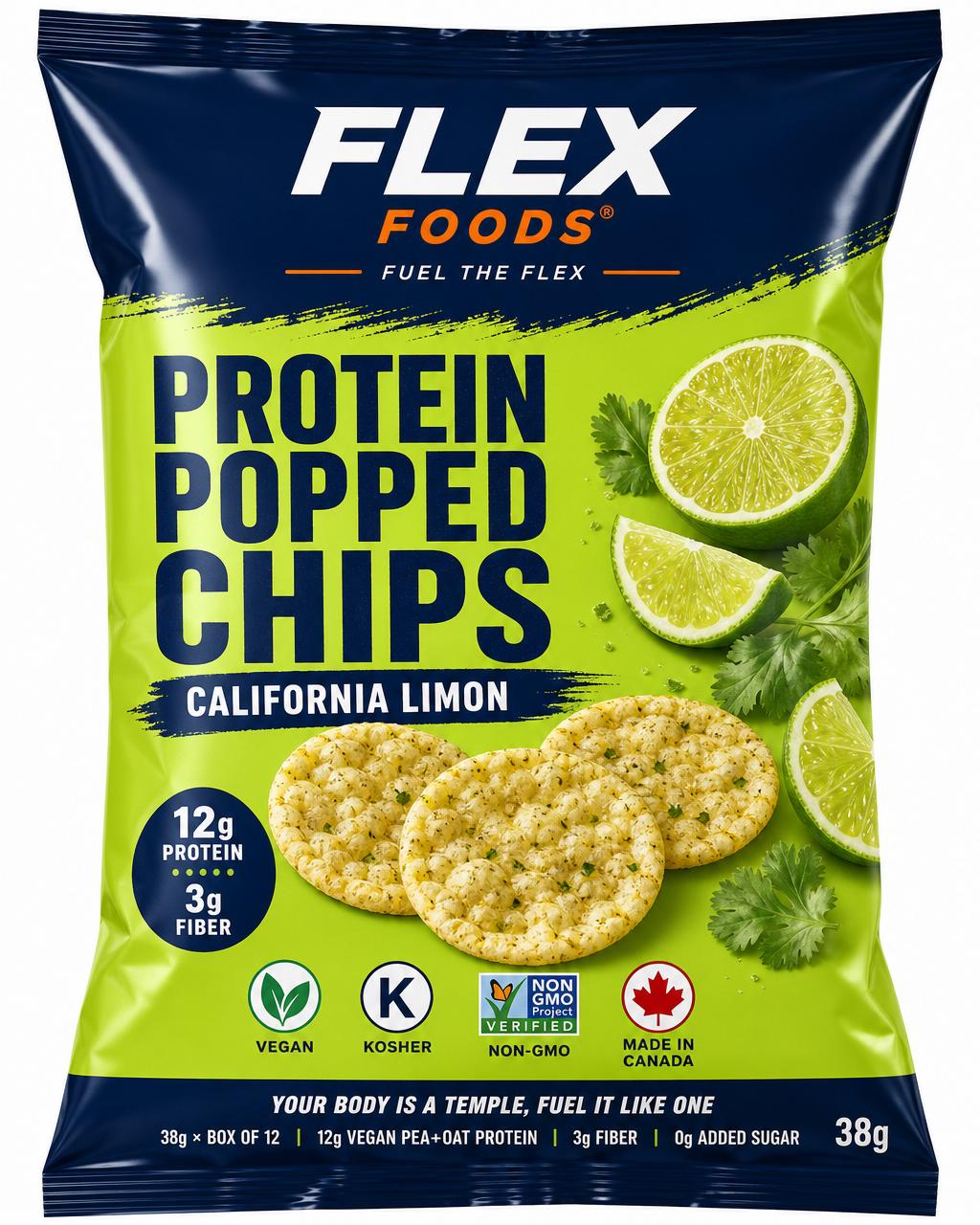
Our Protein Popped Chips use pea protein isolate, which is a formulation choice made for texture consistency and protein density — the digestive tolerance is a useful side effect rather than the original reason.
The trade-off, honestly
Those oligosaccharides are prebiotic. They feed beneficial gut bacteria, and colonic fermentation produces short-chain fatty acids with real benefits for gut health.
So removing them isn't a pure upgrade. It's trading a prebiotic benefit for immediate comfort. For a snack, we take the comfort side — a chip that makes you uncomfortable is a chip you won't eat twice.
But if your gut tolerates legumes well, whole beans and lentils are nutritionally superior to any isolate-based product on almost every measure. Tolerance to fermentable fibre also increases with regular consumption for many people, as the gut microbiome adapts. Ramping up gradually rather than avoiding legumes is usually the better long-term move.
What else in a snack can cause trouble
- Sugar alcohols. Maltitol, sorbitol and xylitol are poorly absorbed and osmotically active — a common cause of bloating and loose stools in "sugar-free" products. Erythritol is better tolerated. Our chips contain no sugar alcohols and no added sugar.
- Inulin and chicory root fibre. Added to boost fibre numbers, and a potent FODMAP. Frequently the actual culprit in high-fibre bars people blame on protein.
- A sudden fibre increase. Not intolerance — just adaptation. Add fibre over weeks, not days, and drink more water.
- Eating close to exercise. Blood flow shifts away from the gut during activity, slowing digestion. See pre-workout snacks.
When to stop troubleshooting and see someone
Ongoing digestive symptoms deserve a proper look rather than an elimination diet assembled from the internet. Coeliac disease, inflammatory bowel disease, and other conditions present with symptoms that overlap heavily with food intolerance, and some require testing while you're still eating the trigger food.
Persistent symptoms, unintended weight loss, blood in stool, or symptoms that wake you at night are reasons to see a doctor rather than switch protein brands. Low-FODMAP diets in particular are best done with a dietitian — they're restrictive, and they're diagnostic tools rather than long-term eating patterns.