Nutrition 101
Snacking Through Pregnancy and Postpartum
General considerations for protein-forward snacking during pregnancy and recovery. Your clinician's guidance comes first.
Pregnancy nutrition is an area where individual medical guidance genuinely matters more than general information, and where general information can do harm if it's read as instruction.
So: your physician, midwife or registered dietitian knows your situation. This post covers a few things that are broadly true and points you toward the right sources for everything else. If anything here conflicts with what your care team has told you, follow them.
One more framing note. This post contains no advice about weight, restriction or "eating for two," because both directions of that conversation cause harm and neither belongs on a snack brand's blog.
Why protein comes up
Protein requirements increase during pregnancy, particularly in the second and third trimesters, to support fetal tissue, placental development and maternal tissue changes. Requirements rise again during lactation.
The practical difficulty is usually not knowing that — it's that the things making protein hard to eat cluster in exactly the periods when it matters. Nausea in the first trimester, reduced stomach capacity in the third, and no time at all postpartum.
Which is why snacks tend to do more work during pregnancy than at other times: smaller, more frequent eating occasions are frequently more manageable than three full meals.
Food safety, which matters more than macros
This is the part where getting it right has the highest stakes, and it's specific.
Health Canada advises avoiding certain foods during pregnancy due to Listeria and other risks:
- Unpasteurised milk and soft cheeses made from it
- Deli meats, pâté and refrigerated smoked seafood unless heated until steaming
- Raw or undercooked meat, poultry, eggs and fish, including raw sushi
- Raw sprouts
- Unpasteurised juices
Also: mercury limits on certain fish species, a caffeine limit commonly cited at 300 mg per day, and no alcohol.
Shelf-stable packaged snacks are a low-risk category on the Listeria front, which is part of why they end up being convenient during pregnancy. That's a genuine practical point rather than a marketing one — but check labels for anything relevant to your own situation, and ask your care team about specific products if you're unsure.
The nutrients your care team will actually raise
Not protein, mostly. These:
Folate. Health Canada recommends a folic acid supplement for anyone who could become pregnant, ideally started before conception, to reduce neural tube defect risk. This is one of the better-established interventions in public health.
Iron. Requirements rise substantially during pregnancy, and deficiency is common. This is a test-and-treat situation rather than a self-supplement one — your care team will check. Background in plant-based iron.
Vitamin B12 and vitamin D. Particularly relevant on a plant-based diet. B12 is not available from plants at all.
Omega-3, especially DHA. Relevant to fetal brain and eye development. Sources include fatty fish within mercury guidance, or algae-based supplements for plant-based diets.
A prenatal supplement covers most of this, which is why they're standard advice. Talk to your care team rather than assembling one from a blog.
Practical snacking through the trimesters
First trimester, with nausea. The common experience is that protein-rich foods become unappealing while dry, bland, carbohydrate foods are tolerable. That's normal, it's temporary, and eating what you can keep down is the right goal. Small frequent amounts generally work better than meals. This is not the time to optimise.
Second trimester. Usually the easiest window. Appetite typically returns and capacity is not yet limited.
Third trimester. Reduced stomach capacity from the growing uterus, plus reflux. Smaller, more frequent, protein-forward eating occasions tend to be more comfortable than large meals — and protein and fibre slow gastric emptying, which is helpful for steadiness and less helpful for reflux. Individual tolerance varies a lot.
Postpartum. The genuinely hardest period, and it's a logistics problem rather than a knowledge one. Eating with one hand, at unpredictable times, while exhausted.
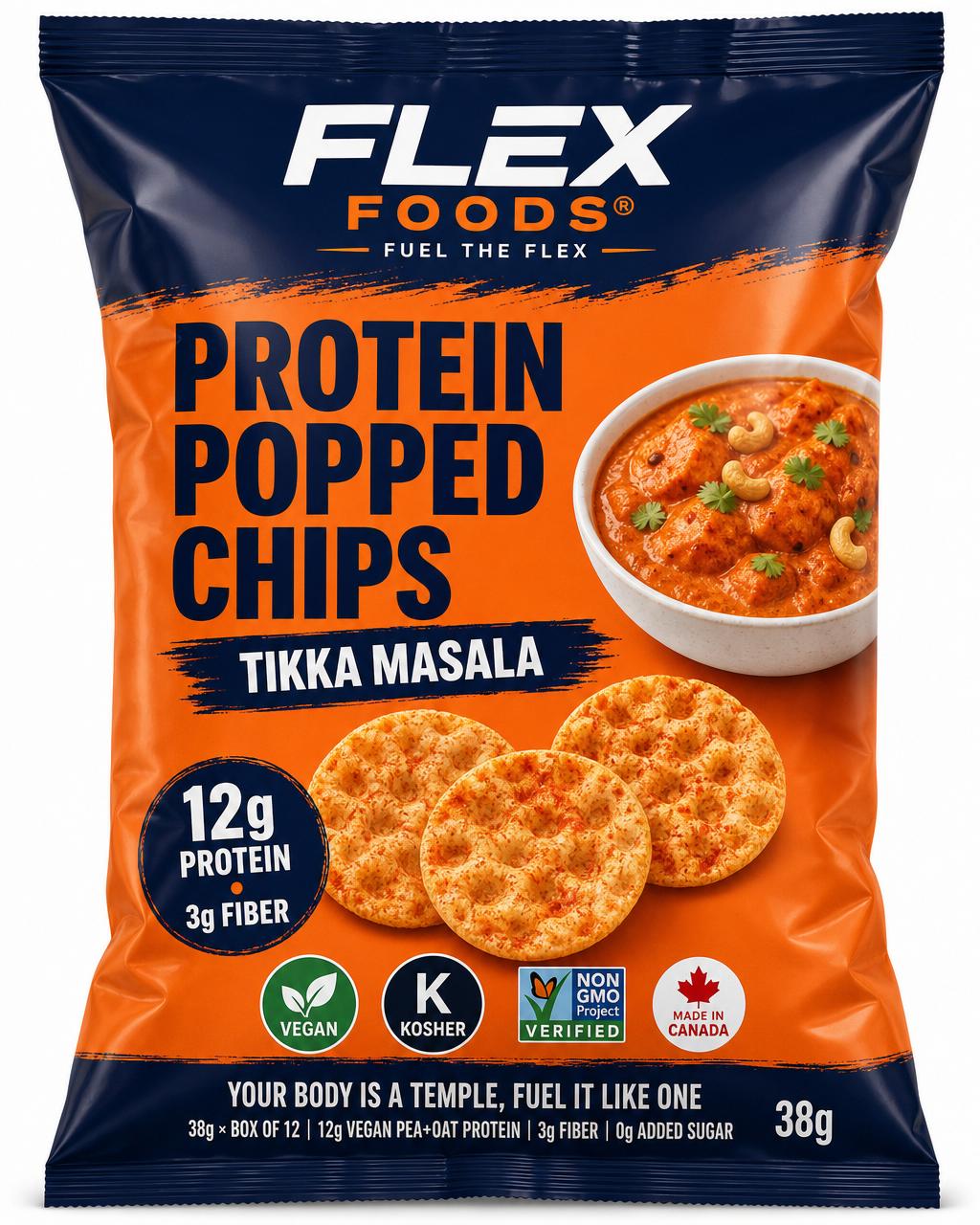
What helps: shelf-stable, one-handed, no-preparation food distributed wherever you actually sit — beside the feeding chair, in the nappy bag, in the car. A bag of Protein Popped Chips is 150 calories with 12 g of protein and needs no fridge, which is the relevant property. So do roasted edamame, nuts, protein drinks and fruit.
Lactation raises energy and protein requirements further, and hydration needs rise noticeably. Keeping water within reach of wherever you feed is unglamorous and genuinely useful.
What we won't tell you
How much to eat, what to weigh, or what your body should be doing. Those are conversations for your care team, who can assess your actual situation.
Pregnancy and the postpartum period are also times when eating disorders can emerge or recur. If food, eating or your body is occupying a large share of your attention, that's worth raising with your care provider — it's common, it's treatable, and asking is a reasonable thing to do.