Nutrition 101
Plant-Based Iron: Why Snack Labels List It
Non-heme iron, the absorption inhibitors in your own food, and the vitamin C trick that changes the arithmetic.
Iron is one of the nutrients Canadian nutrition panels are required to declare, and it's one of the few where the number on the label tells you noticeably less than you'd expect — because how much of it you absorb depends heavily on what else is on your plate.
Two kinds of iron
Heme iron comes from haemoglobin and myoglobin in animal tissue — red meat, poultry, fish. It's absorbed via a dedicated pathway at roughly 15–35% efficiency, and that absorption is relatively insensitive to what else you're eating.
Non-heme iron comes from plants, and also from eggs, dairy and iron-fortified foods. Absorption runs closer to 2–20% — a much wider range, because non-heme iron absorption is strongly modulated by other dietary components.
That variability is the whole story. A plant-based eater isn't necessarily getting less iron; they're getting iron whose absorption they have more influence over, in both directions.
What blocks absorption
Several compounds inhibit non-heme iron uptake, and they're common in exactly the foods that contain the iron.
- Phytates. Found in whole grains, legumes, nuts and seeds. The most significant inhibitor, and awkwardly concentrated in high-iron plant foods. Soaking, sprouting, fermenting and cooking all reduce phytate content — which is part of why traditional preparations of legumes and grains involve exactly those steps.
- Polyphenols and tannins. Tea, coffee, red wine, some herbs. Tea with a meal can reduce non-heme iron absorption substantially. Drinking it between meals rather than with them is a simple fix.
- Calcium. Interferes with both heme and non-heme iron. Relevant if you take calcium supplements — spacing them away from iron-rich meals helps.
What enhances it
Vitamin C is the big one, and the effect is large. Ascorbic acid reduces ferric iron to the more absorbable ferrous form and forms a soluble complex that resists phytate binding. Adding a vitamin C source to a meal can multiply non-heme iron absorption several-fold.
Practically: lemon juice, tomato, peppers, citrus, broccoli, or a piece of fruit alongside an iron-containing meal. This is the single most useful thing in this post — squeezing lime over a bean dish is genuinely doing measurable nutritional work, not just improving the flavour.
Organic acids more generally — citric, malic, lactic — help modestly. Fermented foods score on both this and reduced phytates.
Where a snack fits, honestly
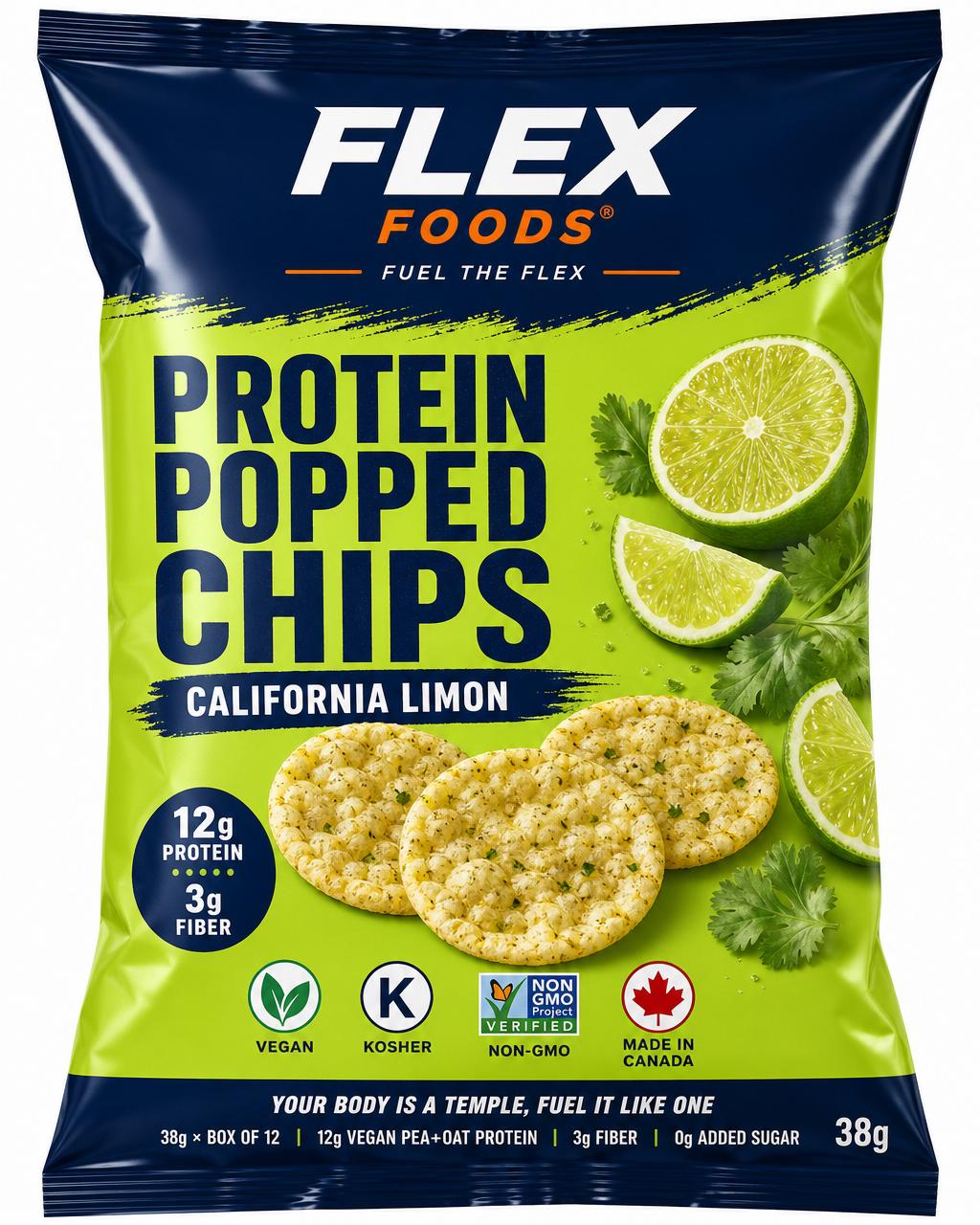
Our chips are built on pea protein isolate, oat protein and brown rice. Legumes and oats are meaningful non-heme iron sources as whole foods, so there's some iron here — but two caveats matter.
First, protein isolation removes a lot of the minerals along with the fibre and starch. Pea protein isolate carries considerably less iron per gram of protein than whole peas do. Isolate is optimised for protein density, not micronutrients — the trade-off we describe in isolate vs concentrate.
Second, a 38 g serving is a small amount of food. Whatever the percentage on the panel, it's a modest contribution to a daily requirement.
Check the current panel on the bag in your hand for the actual figure — it's declared because Canadian regulations require iron in the core nutrient list, not because a chip is an iron supplement. If iron intake is a genuine concern for you, lentils, tofu, pumpkin seeds, spinach and fortified cereals are the foods that move the number, and a blood test beats guessing.
Who should actually pay attention
Iron deficiency is the most common nutrient deficiency worldwide, and certain groups carry higher risk:
- Menstruating people, particularly with heavy periods — the largest at-risk group by number
- Pregnant people, where requirements rise substantially
- Endurance athletes, especially runners, who show increased iron losses through several routes
- Vegans and vegetarians, not because plant iron is inadequate but because absorption requires more attention
- Anyone with gastrointestinal conditions affecting absorption, including coeliac disease and inflammatory bowel disease
An important caution: don't supplement iron without testing. Iron overload is genuinely harmful, haemochromatosis is more common than people realise, and excess iron supplementation causes real gastrointestinal misery for no benefit. Ferritin and a full blood count are simple tests. Ask your doctor rather than self-prescribing — this is one of the clearest cases in nutrition where guessing can hurt you.
Four practical habits
- Pair iron-containing meals with vitamin C. Lime on beans, tomato with lentils, fruit alongside fortified cereal.
- Move tea and coffee away from meals. An hour either side is enough to matter.
- Use soaked, sprouted or fermented legumes and grains where practical. Tinned beans are already cooked, which helps.
- Test rather than assume. Both directions — deficiency and overload — are worth knowing about, and neither is reliably detectable by how you feel.