
On The Go
Hiking Snacks by Weight: Protein Per Gram Carried
When every gram in the pack counts, rank food by what it delivers per gram carried. The results are not intuitive.
Backpacking food selection is an optimisation problem with two competing objectives, and most people only optimise for one of them.
The classic metric is calories per gram, and for multi-day trips it's the right one — you're trying to carry as much energy as possible for as little weight. Fat wins that contest outright at roughly 9 calories per gram against 4 for protein and carbohydrate, which is why long-distance hikers famously eat olive oil out of the bottle.
The metric almost nobody calculates is protein per gram carried, which matters for recovery on consecutive hard days. Here's both, ranked.
The table
| Food | Protein / g carried | Calories / g |
|---|---|---|
| Whey or pea protein powder | 0.75–0.85 g | 3.8 |
| Plant or beef jerky | 0.33–0.37 g | 3.5–4.0 |
| Protein bar | 0.30–0.35 g | 3.9 |
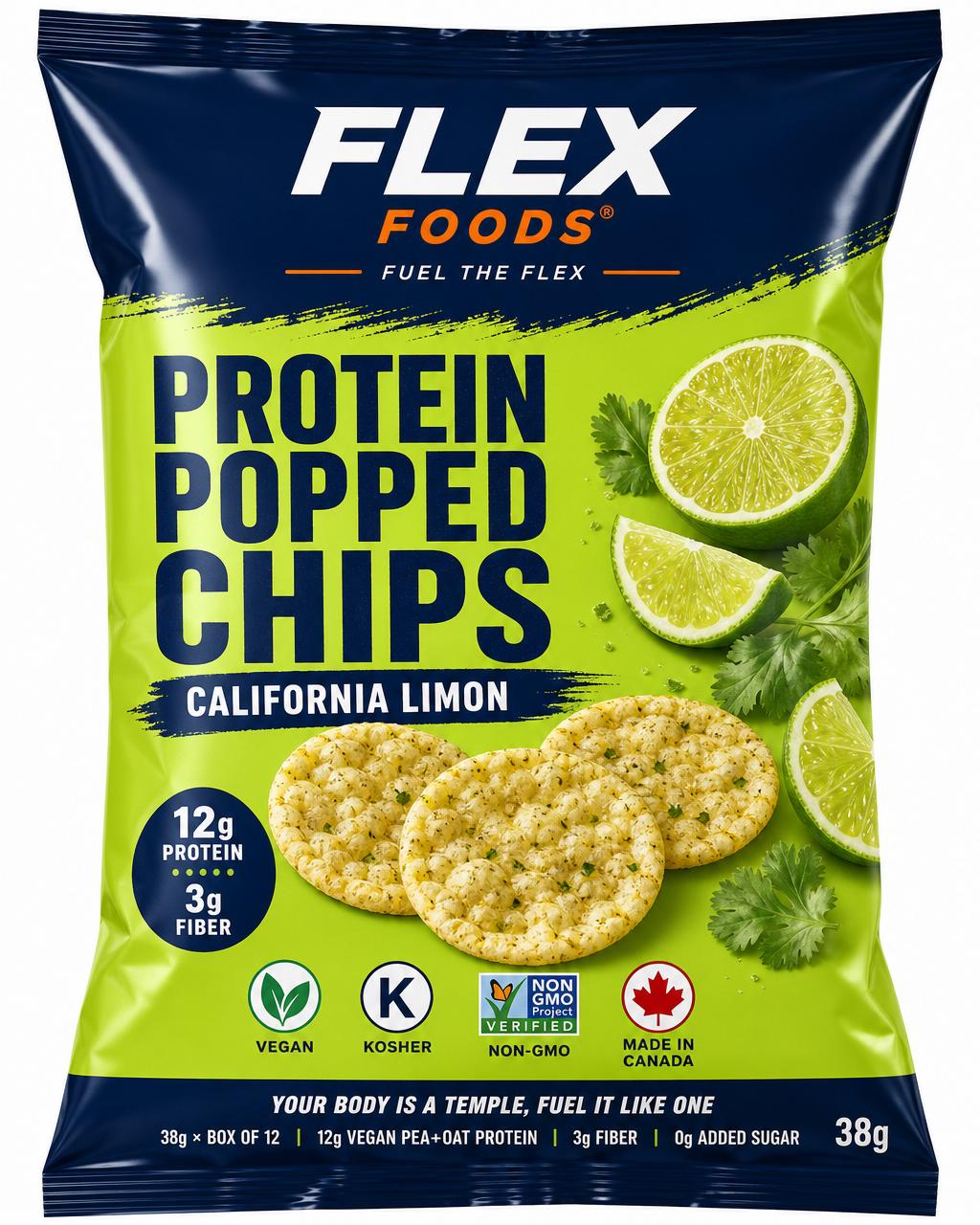
| Protein popped chips | 0.32 g | 3.9 |
| Peanut butter | 0.24 g | 5.9 |
| Hard cheese | 0.23 g | 4.0 |
| Almonds | 0.21 g | 5.8 |
| Roasted chickpeas | 0.20 g | 4.2 |
| Trail mix | 0.13 g | 4.8 |
| Instant noodles | 0.10 g | 4.5 |
| Dried fruit | 0.03 g | 3.2 |
| Olive oil | 0 g | 8.8 |
Figures are approximate and vary by brand — recalculate from the panel of whatever you're actually buying. The rankings hold regardless.
What the table actually tells you
Protein powder is unbeatable on protein per gram, and it's not close. Roughly 0.8 g of protein per gram carried, more than double the next option. If recovery protein is the goal and weight is the constraint, powder wins the arithmetic decisively. Its problems are practical — it needs water and a container, it's unappetising cold, and it's not food you look forward to on day four.
Nuts and nut butter win on calories per gram, not protein. Almonds carry 5.8 calories per gram against a protein snack's 3.9, so for pure energy density they're the better carry. But their protein per gram is a third lower. This is the trade people make unknowingly when they build a food bag entirely out of trail mix.
Dried fruit is almost pure carbohydrate weight. Genuinely useful for fast energy on a climb, close to useless for recovery. Fine as part of a mix; a poor default.
Olive oil is the calorie champion and contributes nothing else. It exists on thru-hiker food lists for exactly one reason.
The metric the table doesn't capture: volume
Here's where we have to be honest about our own product.
Popped chips score well on protein per gram — 12 g in a 38 g bag is 0.32, competitive with jerky and bars. They score badly on volume per gram, because the entire point of the popping process is aeration. A 38 g bag of Protein Popped Chips occupies far more pack space than 38 g of jerky, and it will crush under load.
For a day hike, that's irrelevant — throw one in a daypack and eat it at the summit. For a multi-day trip where you're fitting eight days of food into a bear canister, volume is often the binding constraint rather than weight, and bulky aerated snacks are the wrong choice. Jerky, bars, powder and nut butter are denser per unit of volume and that's what a canister rewards.
So: good day-hike food, poor backpacking food. We'd rather tell you that than sell you the wrong tool.
How much protein do you actually need out there?
More than at rest, and the reasons are worth knowing.
Endurance activity increases protein requirements somewhat — partly to support repair of damaged muscle tissue, partly because a small fraction of amino acids get oxidised for energy during prolonged exercise, especially when carbohydrate is running low. Sports nutrition guidance for endurance athletes commonly lands in the range of 1.2–1.7 g per kilogram of bodyweight per day, above the general population recommendation.
For a 70 kg hiker doing consecutive long days, that's roughly 85–120 g a day. It's easy to fall well short of that on a food bag built from bars, dried fruit and instant noodles, which is a common pattern and shows up as accumulating soreness and flat legs by day three.
Carbohydrate still does the primary work of fuelling the walking. Protein is what lets you do it again tomorrow. Our guide to finding your own protein number covers the general case.
Building a food bag that hits both metrics
A workable structure for multi-day trips:
- Fat for the calorie base. Nuts, nut butter, olive oil, hard cheese. This is where the bulk of your energy comes from at the lowest weight.
- Concentrated protein for recovery. Jerky and protein powder. Small weight, disproportionate benefit on consecutive days.
- Fast carbohydrate for climbs. Dried fruit, sugary snacks. Cheap weight, immediate use.
- One thing you actually want to eat. Appetite failure is a real and underrated risk on long trips, and the food you'll actually finish beats the food that scores best. Bring the snack you look forward to even if it's inefficient.
That last point is not sentimentality. A meticulously optimised food bag you can't face on day five delivers zero calories per gram.
For the cold-weather, short-duration version of this problem, see snacks that fit in a ski jacket pocket.