
Training
Creatine and Muscle Recovery Between Sessions
The recovery evidence is less famous than the performance data, and in places more interesting.
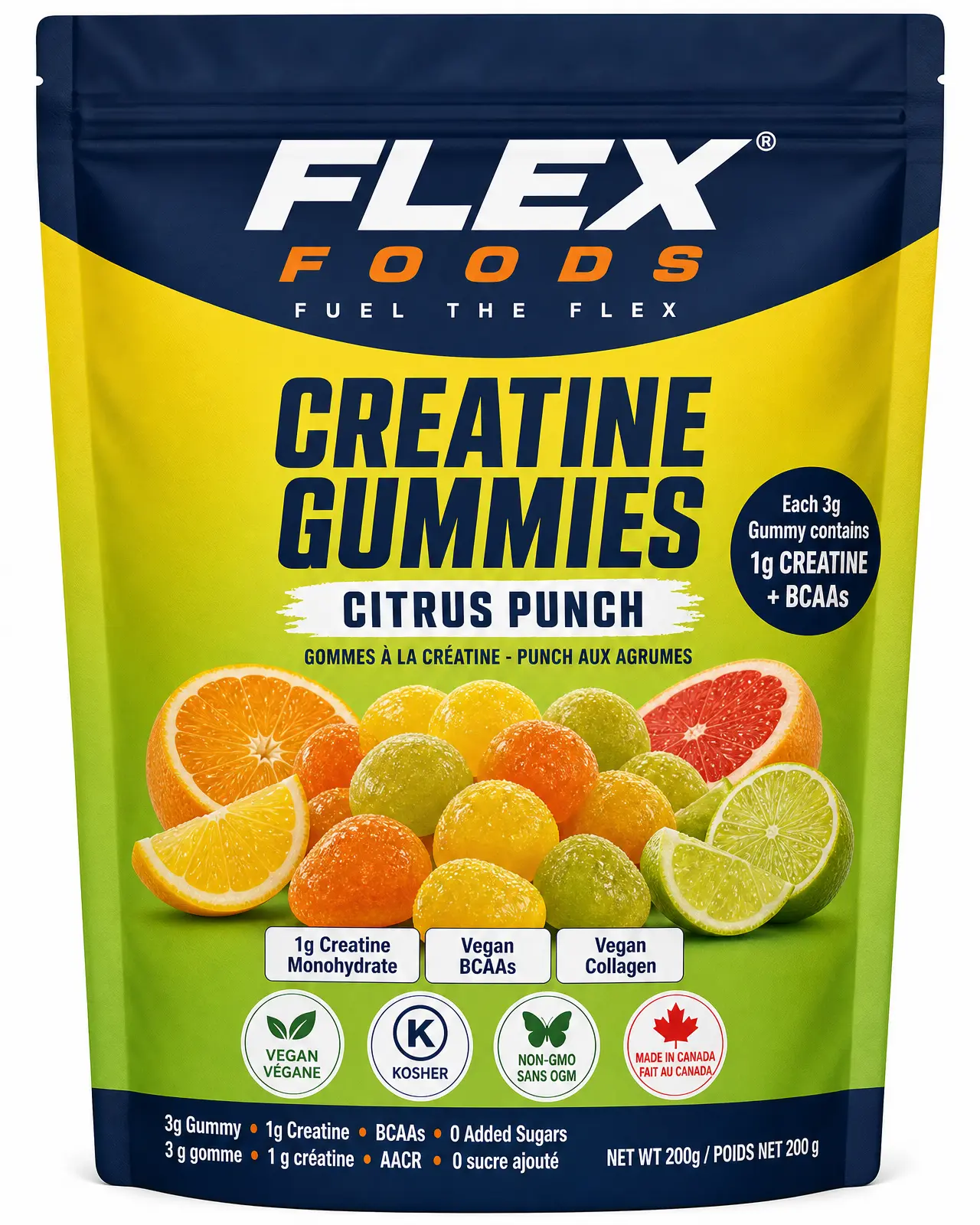
Creatine is sold on performance. A quieter part of the literature looks at what happens between sessions — muscle damage, soreness, and how quickly you're ready to train again.
The findings are mixed but not uninteresting, and they matter more for people training frequently than the performance data does.
Markers of muscle damage
Intense or unaccustomed exercise damages muscle fibres, releasing intracellular enzymes into the bloodstream. Creatine kinase (CK) and lactate dehydrogenase (LDH) are the usual markers.
Several studies have found lower post-exercise CK and LDH in creatine-supplemented participants compared with placebo, following damaging protocols such as eccentric exercise or intense resistance training.
Findings aren't uniform — some studies show no difference, and marker levels are a proxy for damage rather than a direct measure of it. But the pattern appears often enough to be worth noting.
Proposed mechanisms include creatine's role in membrane stabilisation and calcium handling, and possible effects on the inflammatory response to damage. Mechanistically plausible, not settled.
Soreness and function
The outcomes people care about more than enzyme levels.
Some studies have reported reduced delayed-onset muscle soreness and faster restoration of range of motion and force production following damaging exercise, in creatine groups. Others have found no meaningful difference.
The honest summary: the evidence leans mildly positive and is inconsistent. Not a headline benefit, and not nothing.
Worth flagging a related confusion: creatine kinase has a similar name to creatine and is not the same thing. CK is an enzyme that rises after hard training regardless of supplementation — relevant when interpreting blood work. See creatine and blood tests.
Glycogen resynthesis
A more mechanistic recovery angle.
Some research has found creatine co-ingested with carbohydrate enhances muscle glycogen storage compared with carbohydrate alone. Since glycogen availability determines whether tomorrow's session feels good, that would be a genuine recovery benefit for athletes training frequently or twice daily.
The effect appears dependent on the carbohydrate protocol, findings aren't uniform, and it hasn't developed into standard practice. Interesting rather than actionable.
The clearer recovery benefit
Setting aside the damage literature, there's a more straightforward mechanism.
Phosphocreatine resynthesis between efforts is what determines whether your fourth set resembles your first. Larger stores mean faster resynthesis within a session, and that is recovery — just measured in minutes rather than days.
This is well established, unlike the between-session damage findings, and it's arguably the recovery benefit that matters most for someone training four or five times a week. See creatine for team sports, where the same mechanism drives repeated-sprint performance.
Where the evidence is strongest
The most convincing recovery-adjacent application isn't between-session soreness at all — it's muscle preservation during periods when you can't train. Trials on limb immobilisation and rehabilitation have produced some of the more striking creatine results. Covered in creatine during injury and immobilisation.
What actually drives recovery
Proportion matters here, because recovery is an area where supplements are heavily oversold.
- Sleep. By a wide margin the largest recovery variable. No supplement compensates for chronic sleep debt.
- Total energy intake. Under-fuelling relative to training demands is the most common cause of stalled recovery, and chronic low energy availability is genuinely harmful.
- Protein intake, adequate and spread across three or four feedings. Creatine contributes none — our panel declares 0 g protein.
- Carbohydrate, particularly with high training frequency.
- Training load management. Recovery problems are often programming problems.
- Creatine. A modest possible addition on top of the above.
If you're sleeping six hours and under-eating, creatine's recovery contribution is noise.
The honest position
Within-session recovery — faster phosphocreatine resynthesis between sets and efforts — is well supported and real.
Between-session recovery — less damage, less soreness, faster return of function — leans mildly positive with inconsistent findings. Worth knowing about, not worth buying creatine for on its own.
General information about a natural health product, not medical advice.