
Recipes & Swaps
Tikka Masala Chips With Raita: A 5-Minute Snack Plate
A warm spiced chip against a cool acidic dip. Assembled faster than delivery arrives.
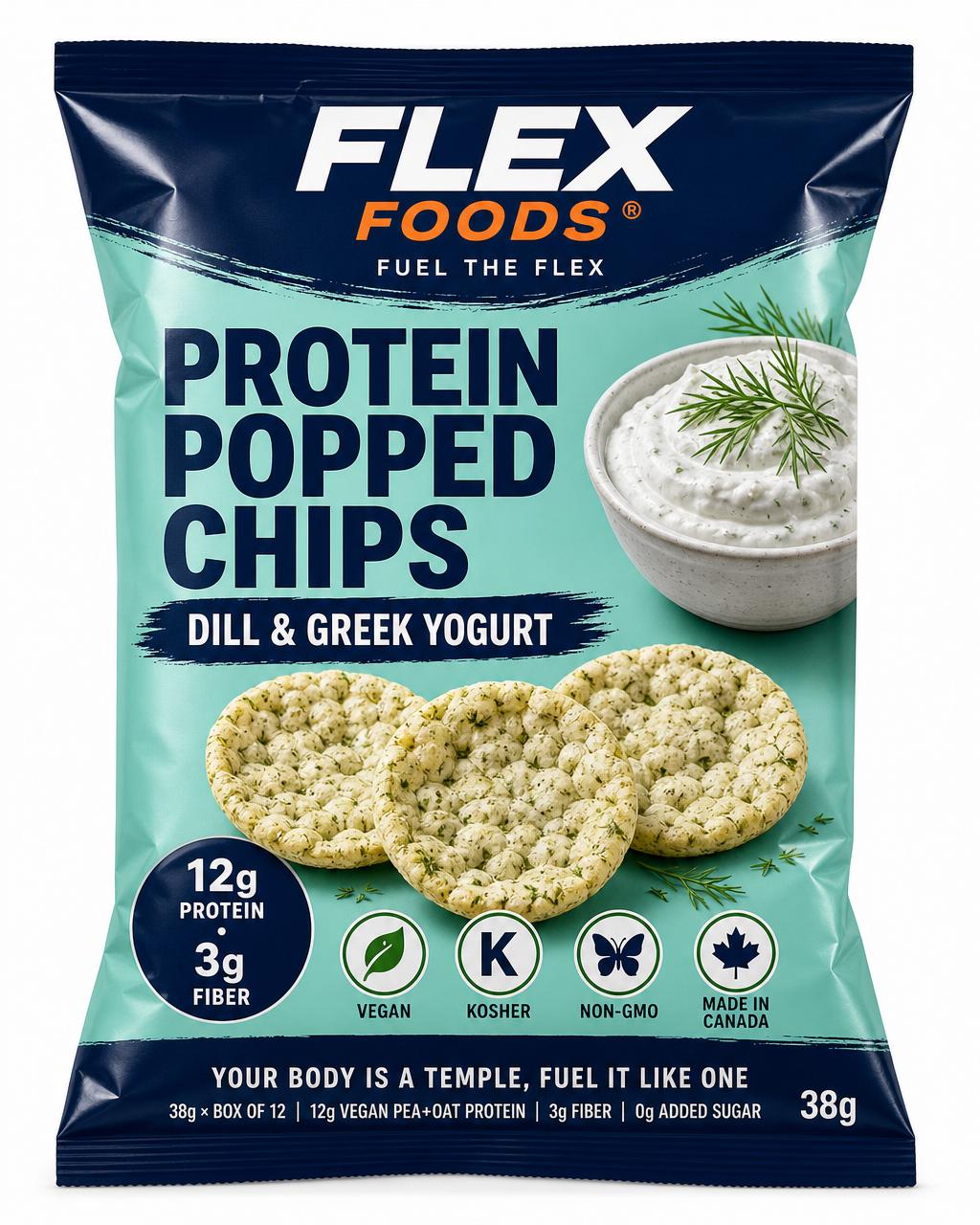
Tikka masala is a sauce, and turning a sauce into a dry seasoning means losing the two things that define it: the creaminess and the cooling contrast. The spice survives; the balance doesn't.
Which is why this flavour is the one most improved by a dip. Raita is the answer, it takes four minutes, and the protein arithmetic is good.
What's in the seasoning
Worth understanding what you're pairing against.
The seasoning is built in three stages, and you can taste them arrive separately:
- Front — cumin and coriander. Earthy, warm, immediate.
- Middle — fenugreek and cardamom. This is the part that reads as "tikka masala" specifically rather than generically spiced. Fenugreek is the signature note in most masala blends and it's what people can't quite identify.
- Finish — a slow chili heat that builds over several chips rather than hitting at once.
That staggered arrival is deliberate, and it's partly a consequence of having no sugar to work with. Sugar rounds off the peaks in a seasoning and makes it read as smooth and finished. Without it you need genuine aromatic complexity instead — we go through the formulation reasoning in building bold flavour with 0 g added sugar.
The practical consequence: this flavour tastes more assertive than a mass-market curry-flavoured snack. Some people find the first bag sharper than expected. The dip is what completes it.
The raita
Traditional raita is yogurt, cucumber and spice. The plant version works identically as long as you pick the right yogurt.
Ingredients
- 150 g thick plant yogurt — soy or pea-based, not coconut
- Half a cucumber, coarsely grated
- A small handful of mint, chopped, plus coriander if you have it
- Half a teaspoon of ground cumin, toasted in a dry pan for thirty seconds
- Juice of half a lime
- Salt, and a pinch of chili if you want more heat
Method
- Grate the cucumber and squeeze it hard in your hands or a clean towel. This is the step everyone skips and it's the difference between raita and cucumber soup — grated cucumber holds a surprising amount of water.
- Toast the cumin in a dry pan until it smells nutty. Thirty seconds. It's a noticeable improvement over untoasted.
- Stir everything together. Taste, adjust salt and lime.
- Rest five minutes if you can. It gets better.
The yogurt choice is the whole game
This determines whether the plate is a 20 g protein snack or a 14 g one.
| Yogurt base | Protein per 150 g |
|---|---|
| Soy | 8–11 g |
| Pea protein | 8–10 g |
| Almond | 3–5 g |
| Oat | 2–3 g |
| Coconut | 1–2 g |
Coconut yogurt is the most widely stocked and the least useful here. Read the panel — this is one of the clearest cases where two products in the same fridge section differ by a factor of five on the thing you're buying them for.
The plate, by the numbers
One 38 g bag of Tikka Masala Protein Popped Chips plus this raita made with soy yogurt:
- ~280 calories
- ~21 g protein — 12 from the chips, 9 from the yogurt
- ~5 g fibre
- 0 g added sugar
Twenty-one grams is within the range most research associates with a meaningful per-sitting protein dose. Four minutes, no cooking beyond toasting a spice.
Three ways to extend it into a meal
Add chana. Half a tin of chickpeas warmed with garam masala and lemon. Another 10 g of protein and 8 g of fibre, and it turns a snack plate into dinner.
Add a quick kachumber. Diced tomato, cucumber, red onion, lime, salt, coriander. No protein, considerable freshness, and it makes the plate look like something you meant to make.
Add lime pickle or mango chutney, sparingly. A teaspoon, not a spoonful. Chutney carries real sugar, which somewhat undoes the 0 g claim — worth knowing rather than worth avoiding.
What not to pair with it
- Hummus. Tahini and masala spice both want to dominate. Neither wins.
- Salsa. Two competing acid-and-heat profiles.
- Anything sweet. The seasoning has no sugar by design, and a sweet dip makes it taste unbalanced rather than complete.
Cool, acidic and creamy is the direction. Everything else fights it. For the wider pairing map, see nine high-protein pairings.