
Fuel Science
The 3g Fibre Detail Most Protein Snacks Miss
Protein gets the front of the bag. Fibre is what makes the fullness last past the first hour.
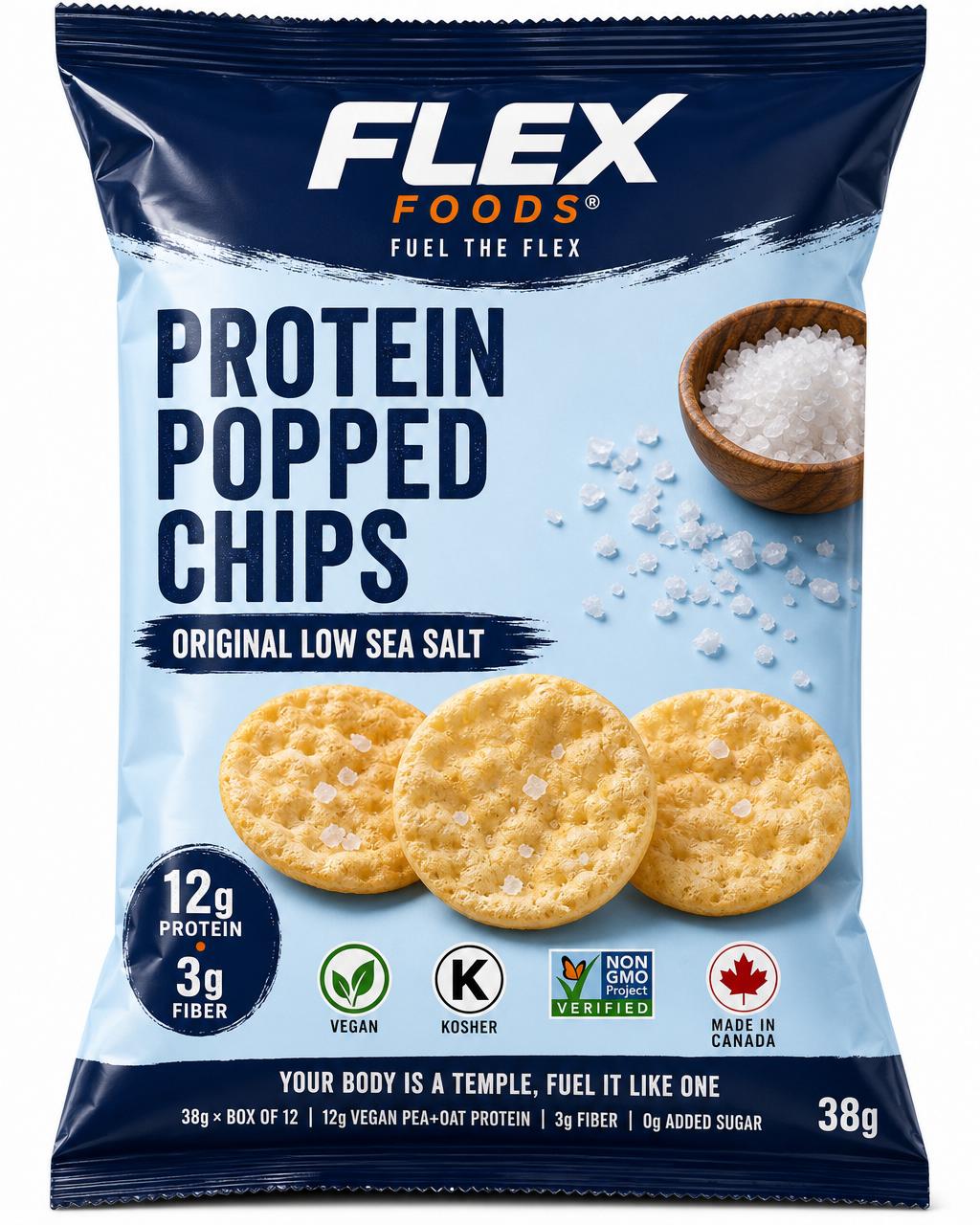
Scan the high-protein snack shelf and you'll find products advertising 15 or 20 grams of protein with under one gram of fibre. It's not an oversight — protein isolates are, by design, stripped of nearly everything that isn't protein, and fibre is one of the things that goes.
The result is a snack that's excellent on paper and disappointing in practice: you eat it, you're satisfied, and forty-five minutes later you're looking in the cupboard again.
Two different mechanisms of fullness
Satiety isn't one thing. Protein and fibre produce it through separate pathways operating on different timescales, which is why having both beats having a lot of one.
Protein works hormonally. Amino acids in the small intestine trigger release of satiety hormones — GLP-1, peptide YY, cholecystokinin — that signal fullness to the brain. Protein also has the highest thermic effect of the three macronutrients, meaning a share of its calories are spent on digesting it. This response is fairly quick and fairly strong.
Fibre works mechanically and microbially. Soluble fibre absorbs water and forms a viscous gel that slows gastric emptying — food physically leaves your stomach more slowly, so the sensation of a full stomach persists. Insoluble fibre adds bulk and volume. Further down, fermentable fibre feeds gut bacteria that produce short-chain fatty acids, which have their own downstream effects on appetite signalling.
Different clocks. Protein's hormonal signal peaks and fades over a couple of hours. Fibre's gastric-emptying effect starts slower and lasts longer, and the microbial component operates over hours after that.
A high-protein, low-fibre snack gives you the fast signal and nothing behind it. That's the forty-five-minute cliff.
The ratio worth checking
Most people check protein. Almost nobody checks the relationship between protein and fibre in the same product.
A rough working target for a snack: at least 1 gram of fibre for every 4 grams of protein. It's not a scientific constant — it's a heuristic that filters out isolate-heavy products with nothing else going on.
| Snack | Protein | Fibre | Ratio |
|---|---|---|---|
| Whey isolate shake | 25 g | 0 g | — |
| Typical protein crisps | 15 g | 1 g | 15:1 |
| Greek yogurt, plain | 17 g | 0 g | — |
| Protein Popped Chips | 12 g | 3 g | 4:1 |
| Roasted chickpeas | 7 g | 6 g | 1.2:1 |
| Lentils, ½ cup cooked | 9 g | 8 g | 1.1:1 |
Whole legumes win this comparison outright, and we're not going to pretend otherwise — a cup of lentils beats any packaged snack on almost every measure except convenience. The useful comparison is against other packaged snacks, where 4:1 is unusually good.
Where our 3 g comes from
Brown rice, mostly, plus the residual fibre in oat protein.
This is a case where a formulation decision made for texture happened to solve a nutritional problem. Brown rice is in the recipe because a chip built purely from pea and oat protein wouldn't have the expandable starch matrix needed to pop into a crisp disc — protein alone gives you something dense and tough.
Whole brown rice retains its bran layer, and the bran is where the fibre is. Had we used white rice starch, which would have worked structurally, the fibre line would read closer to 1 g. Same texture, worse snack.
Three grams is 11% of the daily value, in a 150-calorie snack. Not remarkable against a bowl of beans. Notable against the protein snack shelf.
How much fibre you're probably getting
Health Canada's adequate intake for fibre is 25 g a day for adult women and 38 g for adult men. Average Canadian intake sits well below both figures — most surveys put it somewhere in the mid-to-high teens.
That gap is meaningful. Higher fibre intake is among the more consistently supported associations in nutritional epidemiology, linked to lower risk of cardiovascular disease, type 2 diabetes and colorectal cancer across large cohort studies.
Snacks are a reasonable place to close part of the gap, because snacks are where most people currently get almost no fibre at all. Two bags is 6 g — roughly a quarter of the way from a typical intake to an adequate one, from food you were going to eat regardless.
What to actually do with this
Three practical moves.
Check fibre before you check protein. Reverse the order you normally read a panel. Protein above 10 g in a snack is now common; fibre above 3 g is not. The scarce number is the more informative one.
Pair, don't just substitute. If your protein snack is fibre-free — a shake, a yogurt, a jerky — add something fibrous alongside it. An apple, a handful of edamame, a few carrots. You're closing the second pathway, not adding calories for their own sake.
Increase gradually, and drink water. A sudden jump in fibre intake causes gas and bloating in most people. Add a few grams a week. Fibre also needs water to form the gel that slows gastric emptying — under-hydrated, high-fibre eating is less comfortable and less effective.
Our post on fibre and protein together covers the pairing side in more depth, and the satiety science covers the hormonal half.