
Training
Climbing, Cycling, Hockey: Sport-Specific Snack Timing
Three sports, three energy profiles, three different answers to 'when should I eat?'
General sports nutrition advice averages across sports that have almost nothing in common. A climber, a cyclist and a hockey player face genuinely different problems, and the differences aren't about how much fuel they need — they're about when they can physically get it in.
That constraint drives everything.
Climbing: long sessions, low continuous demand, no natural eating window
The energy profile. Bouldering and sport climbing are intermittent and mostly anaerobic — short intense efforts separated by long rests. Total energy expenditure across a three-hour session is often lower than people assume, because most of that time is spent standing around.
The actual constraints. Two specific ones. Grip strength and finger tendon load are the limiting factors, not cardiovascular fitness — so blood sugar dips affect performance through concentration and technique rather than through gas tank. And climbers routinely go four or five hours without eating because the session structure never presents an obvious break, and because eating with chalky hands is genuinely awkward.
Timing that works:
- A real meal 2–3 hours before. Long sessions need a base, and there's time for it to digest.
- Something between attempts, roughly every 60–90 minutes. Small, dry, one-handed. Dried fruit, a bar, a handful of chips. The point is maintaining focus rather than replacing fuel.
- Protein afterwards. Climbing is more muscularly demanding than the calorie burn suggests, and forearms, back and shoulders all take real load.
The practical note: whatever you bring has to be eatable with one hand, without utensils, and not make your hands greasy. Nut butter and anything oily are out for that reason alone.
Cycling: continuous demand, and the only sport where eating mid-effort is easy
The energy profile. Sustained aerobic work at high total expenditure. A four-hour ride can burn well over 2,500 calories. Glycogen depletion is the primary performance limiter beyond about 90 minutes.
The advantage. Cycling is nearly unique in that you're seated, your hands are free, your gut is relatively undisturbed, and you're not impact-loading your abdomen. Which means you can eat substantially during the activity — an option runners largely don't have.
Timing that works:
- Carbohydrate meal 2–3 hours before for anything over an hour.
- During, for rides over 90 minutes: current guidance commonly suggests 30–60 g of carbohydrate per hour, with trained athletes tolerating up to around 90 g when using multiple transportable carbohydrate sources — glucose plus fructose, which use different intestinal transporters and so exceed the absorption ceiling of glucose alone.
- Within an hour after: carbohydrate and protein together. Glycogen resynthesis is fastest early.
The practical note: gut tolerance for eating at intensity is trainable, and long rides are the right place to train it. Don't try 90 g an hour for the first time in an event.
Hockey: intermittent maximal effort, and the between-periods window
The energy profile. Repeated 30–60 second maximal shifts with recovery between. Heavily reliant on phosphocreatine and anaerobic glycolysis, with aerobic capacity governing recovery between shifts. Glycogen depletion across a full game is significant, particularly in the third period.
The constraints. Full protective gear, no realistic mid-period eating, and games often at awkward times — 6am ice or 9pm puck drop, both of which fight normal meal patterns.
Timing that works:
- Pre-game meal 3 hours out where the schedule allows. Carbohydrate-forward, moderate protein, low fat and fibre.
- Small carbohydrate 30–60 minutes before if the meal was earlier.
- Between periods: fluid and electrolytes first, then a small amount of fast carbohydrate. Intermissions are short and players are hot — sports drink is more realistic than food.
- Immediately post-game: this is the highest-value slot, and it's the one most often wasted. Third period glycogen depletion plus a late finish plus a drive home frequently means nothing gets eaten until the next morning.
The practical note: a 6am game means eating something small at 4:30am, which nobody wants to do. Something light and palatable beats the theoretically optimal breakfast you won't eat.
The pattern across all three
The constraint is rarely nutritional knowledge. It's logistics — whether you can physically eat at the moment that would help.
| Climbing | Cycling | Hockey | |
|---|---|---|---|
| Eat during? | Between attempts | Freely | Intermissions only |
| Primary need | Focus, then protein | Carbohydrate | Carbohydrate + recovery |
| Main failure | Nothing for 5 hours | Under-fuelling long rides | Nothing after the game |
| Format | Dry, one-handed | Anything, pocketable | Fluid during, food after |
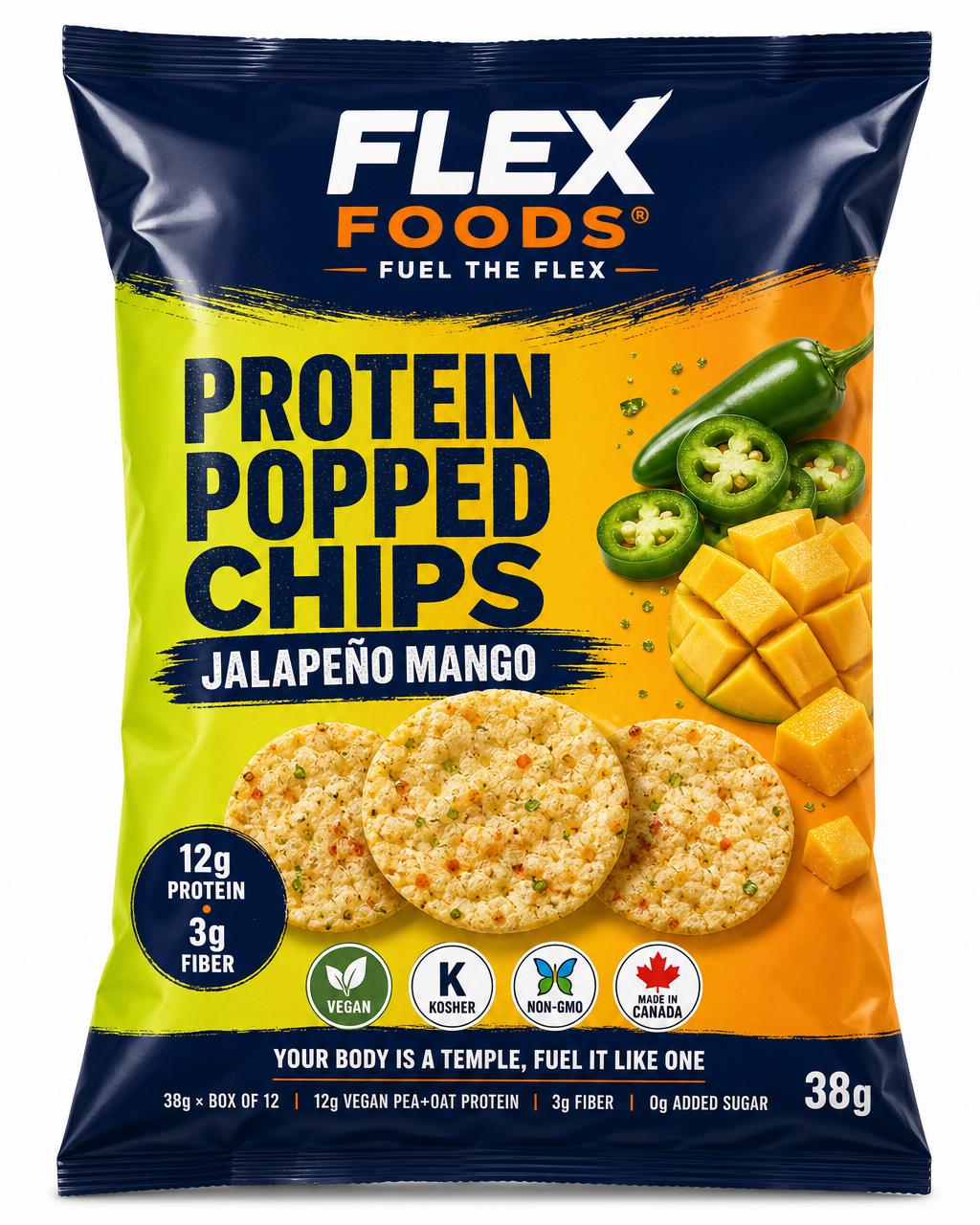
Which is why shelf-stable, single-serve, no-preparation snacks matter more in sport nutrition than their nutritional profile alone would suggest. A 38 g bag of Protein Popped Chips at 150 calories and 12 g of protein fits the climbing between-attempts slot and the post-game bag well; it's a poor mid-ride choice, where liquid and gel carbohydrate does the job better.
For the mixed-modality case, see fuelling the hybrid athlete.