
Seasonal
Ramadan and Fasting Windows: Snack Timing Considerations
General nutrition considerations for a compressed eating window. Religious guidance comes from your own authorities, not a food blog.
A framing note first, and it matters.
Ramadan is a religious observance, and questions about who fasts, what exemptions apply, and how the practice should be approached are matters for individuals, their families and their religious authorities. This post doesn't touch any of that.
What follows is general nutrition information about eating within a compressed window — the same physiology that applies to any extended fast. It also applies partly to other fasting practices, religious and otherwise. If you have diabetes, take medication on a schedule, are pregnant or breastfeeding, or have a chronic condition, talk to your doctor before fasting. Medication timing in particular often needs adjusting, and that's a clinical conversation.
What a compressed window actually changes
Three things, physiologically.
Total intake tends to fall. Two meals is less eating opportunity than three or four, and appetite doesn't scale up proportionally. Unintended under-eating is common, particularly of protein and fibre.
Hydration becomes the binding constraint. In a long Canadian summer fast — and Ramadan's timing shifts through the solar year — the fluid gap can exceed sixteen hours. Dehydration accounts for a large share of the headaches, fatigue and poor concentration people attribute to the fast itself.
Protein distribution compresses. Two feedings instead of four means each one carries more, and past a certain per-meal dose the additional protein contributes less to muscle protein synthesis. Not a crisis, but it's why total protein often ends up lower than intended. Background in protein distribution.
Suhoor: the meal that determines the day
The pre-dawn meal is where most of the difference is made, and it's the one most often rushed or skipped.
What helps it last:
- Protein. Slows gastric emptying and triggers satiety hormones. Eggs, beans, lentils, yogurt, tofu, nut butter.
- Fibre and slow carbohydrate. Oats, wholegrain bread, barley, legumes. The viscous gel soluble fibre forms is what physically slows how fast the stomach empties.
- Some fat. Also slows emptying. Nuts, olive oil, avocado.
- Fluid, generously. Water, and food with high water content — soup, yogurt, fruit.
What doesn't last: refined carbohydrate alone. White bread with jam and sweet tea produces a glucose rise and dip, and the dip arrives hours before the fast ends. It's the same mechanism as an afternoon slump, described in why your chips crash you at 3pm.
Salt is worth a mention. Some sodium at suhoor helps with fluid retention across a long fast. Very salty food, though, increases thirst — so moderate rather than heavy.
Iftar: pacing matters more than content
The common pattern is a large volume of food quickly after a long fast, which frequently causes reflux, bloating and discomfort.
A structure that generally works better:
- Break with something small. Dates and water is the traditional practice and it's also sensible physiologically — a small amount of fast carbohydrate and fluid without overwhelming a stomach that's been empty.
- Pause. Ten or fifteen minutes. Satiety signals lag intake considerably, and a pause lets them catch up before the main meal.
- Then a proper meal. Protein, vegetables, carbohydrate.
- A later light meal or snack before sleep or before suhoor, if the schedule allows. This is where a compressed window benefits from a third eating occasion.
Where a snack fits
The genuinely useful slot is between iftar and suhoor — a third feeding that raises total protein and total intake without requiring a third full meal.
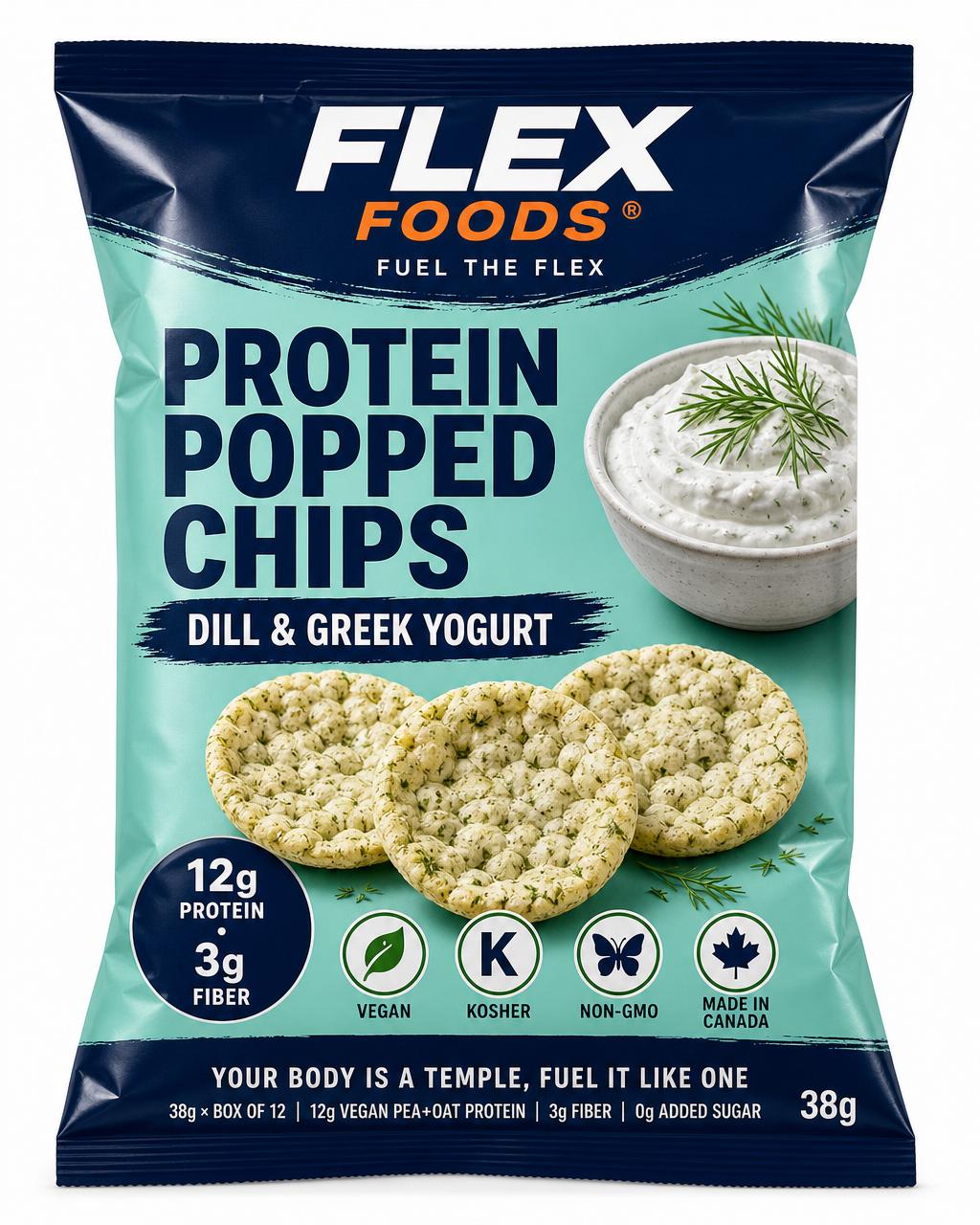
A 38 g bag of Protein Popped Chips is 150 calories with 12 g of protein and 3 g of fibre. Paired with a yogurt or a bean dip it clears 20 g. Options in five two-minute snack boards.
Note on sodium: 200 mg per bag, 9% of the daily value. Modest, but if a long fast is ahead, moderate rather than heavy salt is the general principle.
Training while fasting
Many people do, and the timing options are limited:
- Shortly before iftar. Most common. You train depleted but can refuel immediately afterward.
- After iftar. Better performance, since you've eaten and hydrated. Requires a gap for digestion.
- Late, before sleep. Works for some; can affect sleep for others.
Reasonable expectations: performance in high-intensity and endurance work is typically somewhat reduced while fasting and dehydrated, and that's normal. Maintaining rather than building is a sensible goal for the month. Adequate protein across the eating window matters more than session timing for preserving muscle.
The three things that matter most
- Hydrate deliberately across the whole eating window, not just at iftar. Steady intake beats a large volume at once.
- Get protein into both main meals. This is where compressed windows most often fall short.
- Don't skip suhoor. It's the single biggest determinant of how the day feels.
And if you feel genuinely unwell — not uncomfortable, but unwell — that's a medical matter and a religious one, and both traditions and clinicians take it seriously.