Fuel Science
The Adaptogen Guide: Ashwagandha, Lion's Mane and Your Recovery
A plain-language tour of the botanicals in your recovery bottle — no hype, no health claims.
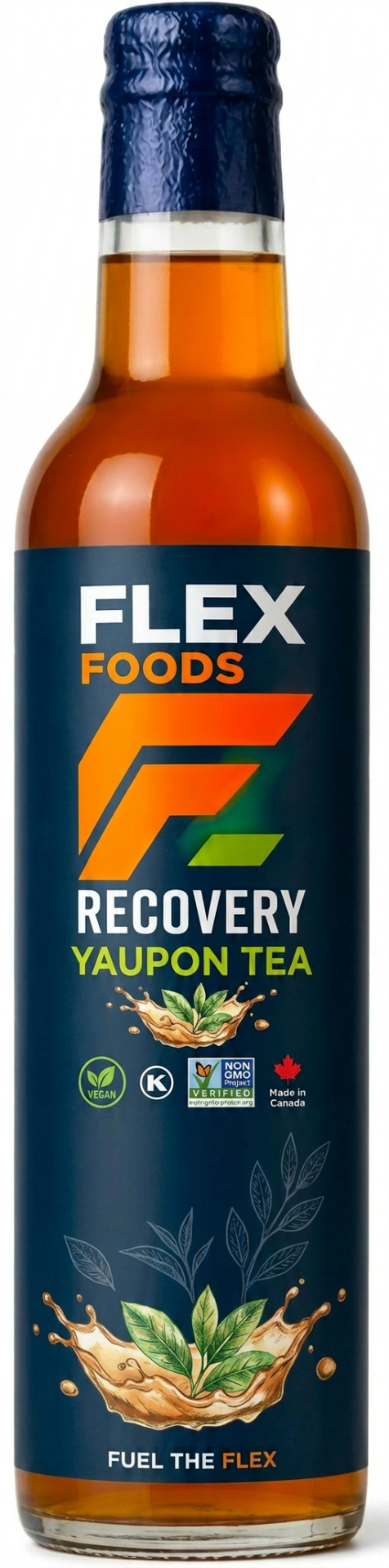
"Adaptogen" is one of those words that shows up on every label and gets explained on almost none. Here's a straight, hype-free guide to the botanicals we use in Flex Recovery, and how to think about them.
What "adaptogen" means
Adaptogens are plants traditionally used to help the body cope with stress. They have a long history in herbal traditions and a growing — though still developing — body of modern research. Important caveat up front: these are food-and-wellness ingredients, not medicine. We're not making medical claims, and neither should any label.
The lineup, briefly
Ashwagandha (KSM-66) is one of the most-studied adaptogens, traditionally associated with stress and recovery. KSM-66 is a specific, well-characterized extract, which is why we name it rather than just saying "ashwagandha."
Lion's Mane is a mushroom traditionally linked with focus and cognition — the reason it often appears in "clarity" formulas.
Yerba Mate and Yaupon are naturally caffeinated botanicals that many people find give a smoother, steadier lift than a big coffee.
Rooibos and Chicha Morada round out the range on the caffeine-free, antioxidant-rich side — good for evenings and rest days.
How to use them
Think of Recovery as a better default than a sugary soda or a third coffee. Reach for a caffeinated flavor when you want a clean lift, and a caffeine-free one when you're winding down. Each bottle is sparkling, 15 calories and 0g added sugar, with CreaBev® creatine and BCAAs alongside the botanicals.
The honest framing: adaptogens aren't a shortcut to fitness, and no drink replaces sleep. But if you're going to drink something on a rest day anyway, one built around botanicals and zero added sugar is an easy upgrade.
Explore the range: Flex Recovery, seven flavors, made in Burnaby, BC.