
Fuel Science
Prebiotics vs Probiotics: What's the Difference?
One is the garden. The other is the fertilizer. You want both.
Prebiotics and probiotics are constantly confused — the names practically invite it. Here's the difference, made simple.
Probiotics: the good bacteria
Probiotics are live beneficial bacteria — the kind found in fermented foods like yogurt, kefir, kimchi and sauerkraut. Think of them as helpful residents you're adding to your gut's community.
Prebiotics: the food for that bacteria
Prebiotics are types of fiber your body can't digest but your good bacteria can. They're the fuel that helps beneficial microbes thrive. If probiotics are the garden, prebiotics are the fertilizer. They're found in foods like onions, garlic, oats, bananas and legumes.
Why you want both
Adding good bacteria helps; feeding them helps them stick around and do their work. The two are a team — which is why "gut health" is about more than a single yogurt.
An easy prebiotic boost
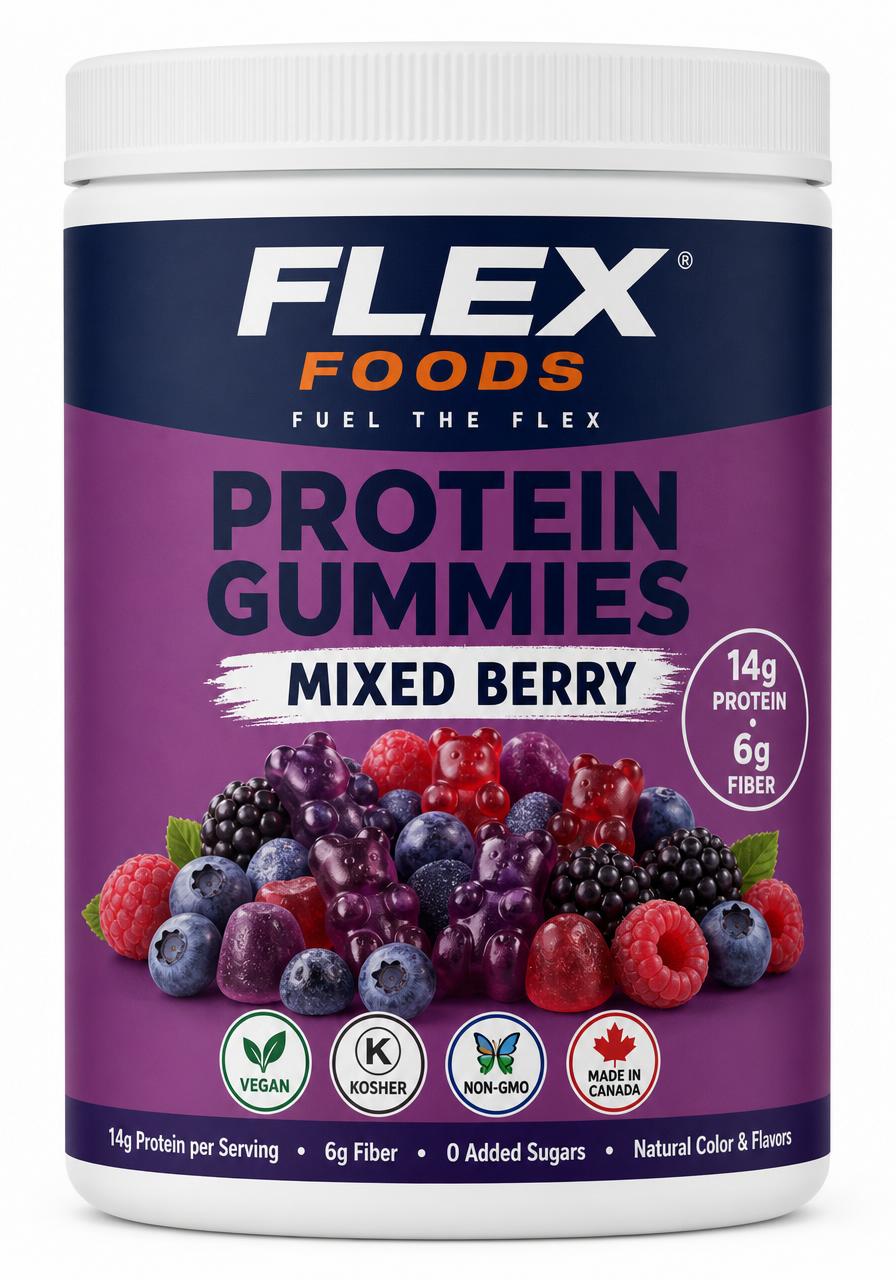
Most people get plenty of probiotics from food but fall short on prebiotic fiber. We build prebiotic fiber into products like Flex Gummies and FlexBevs, so supporting your gut can be as easy as a snack or a drink.
Feed your gut the easy way — shop FlexBevs.