
Fuel Science
Do BCAAs Actually Work? An Honest Look
The honest answer: useful in context, oversold everywhere else.
BCAAs are a supplement-aisle staple, and also one of the most over-marketed. Here's a balanced look at where they help and where they don't.
What they are
BCAAs are three essential amino acids — leucine, isoleucine and valine — that play roles in muscle. Leucine in particular helps signal muscle protein synthesis. That's the kernel of truth the marketing is built on.
The honest caveat
Here's what the ads skip: if you already eat enough complete protein, you're getting these amino acids anyway. For someone hitting their protein target, a separate BCAA supplement often adds little. Whole protein delivers BCAAs plus everything else muscle needs.
Where they can help
BCAAs may be more useful in specific situations — training fasted, very low overall protein intake, or when a light, flavored intra-workout drink helps you train. In those contexts, they're a reasonable tool rather than a miracle.
Our take
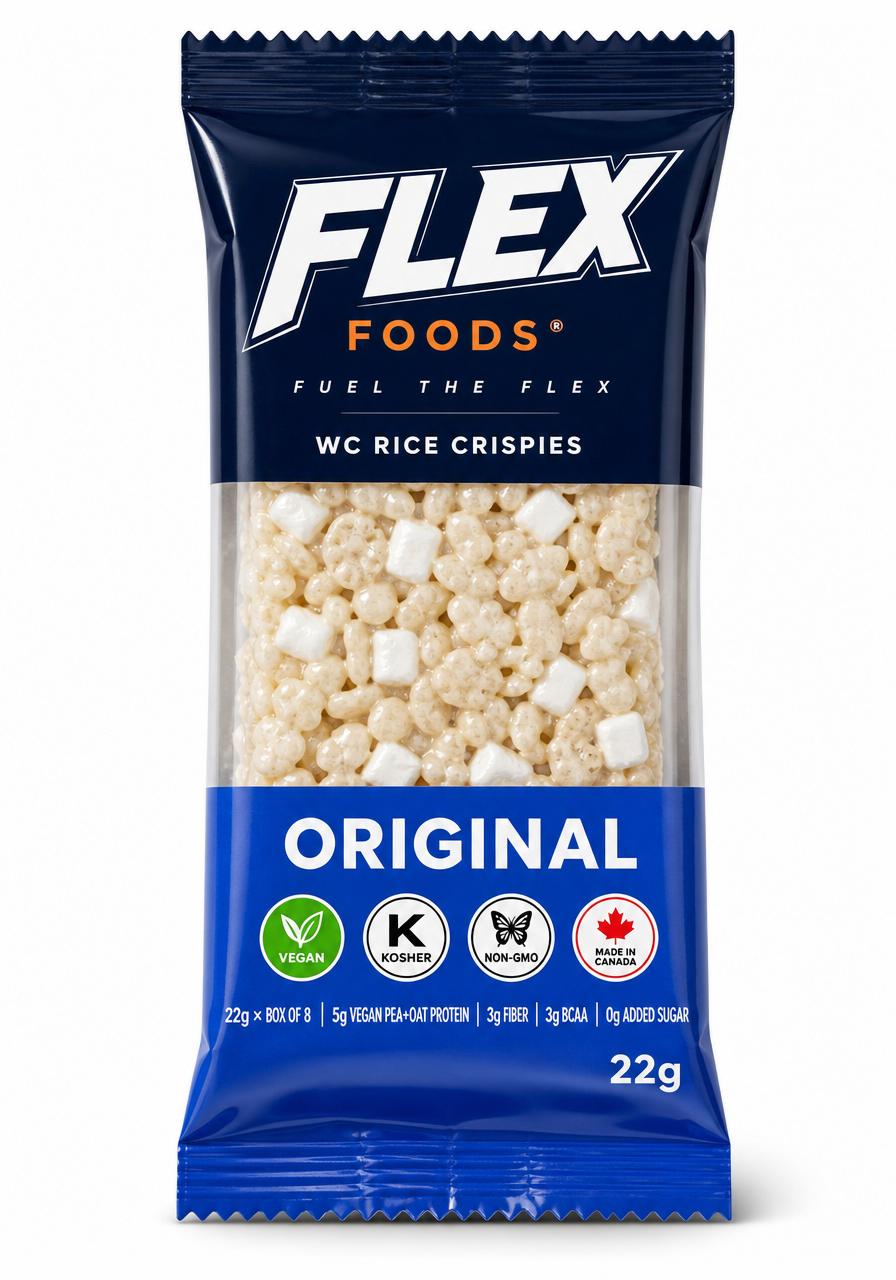
We include BCAAs where they complement a real protein base rather than replace it — like the 3g in Flex Crispies alongside pea + oat protein. The lesson: prioritize total protein first; treat BCAAs as a situational add, not the foundation.
Protein and BCAAs in a nostalgic snack — shop Crispies.