Nutrition 101
Complete vs Incomplete Proteins: The Plant-Based Truth
The 'plants are incomplete' worry is real biology — and a solved problem.
You've probably heard that animal proteins are "complete" and plant proteins are "incomplete." That's rooted in real biology — but it leads a lot of people to the wrong conclusion.
What 'complete' actually means
Protein is built from amino acids, nine of which are essential — your body can't make them, so food must supply them. A "complete" protein contains all nine in useful amounts. Many animal foods do. Some individual plant foods are a little lower in one or two essential aminos, which is where the "incomplete" label comes from.
Why it's a solved problem
Here's the part the label leaves out: you don't eat single amino acids, you eat meals and days. Combine complementary plant sources — the classic being legumes plus grains — and the gaps fill in. A blend like pea plus oat protein covers what either would miss alone. You also don't need to combine them in the same bite; across a day is plenty.
How we build it in
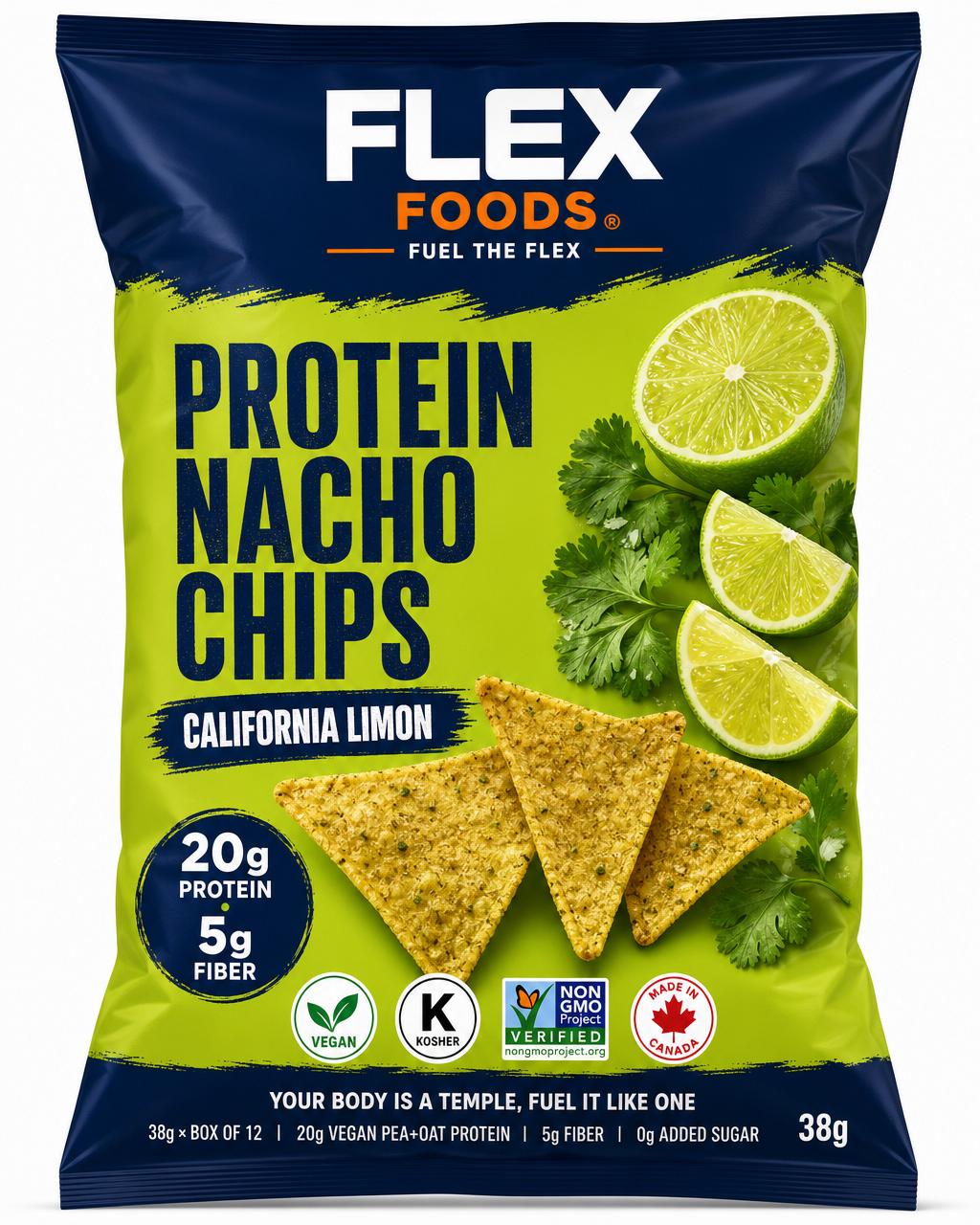
This is exactly why our products lean on protein blends rather than a single source. Our Nacho Chips use a pea + oat base precisely so the amino profile holds up — 20g of protein that does the job, no animal products required.
The takeaway: "incomplete" isn't a warning label, it's an instruction to eat a little variety. Do that and plant protein is every bit as complete as what's on anyone else's plate.
Fuel with plant protein done right — shop the chips.